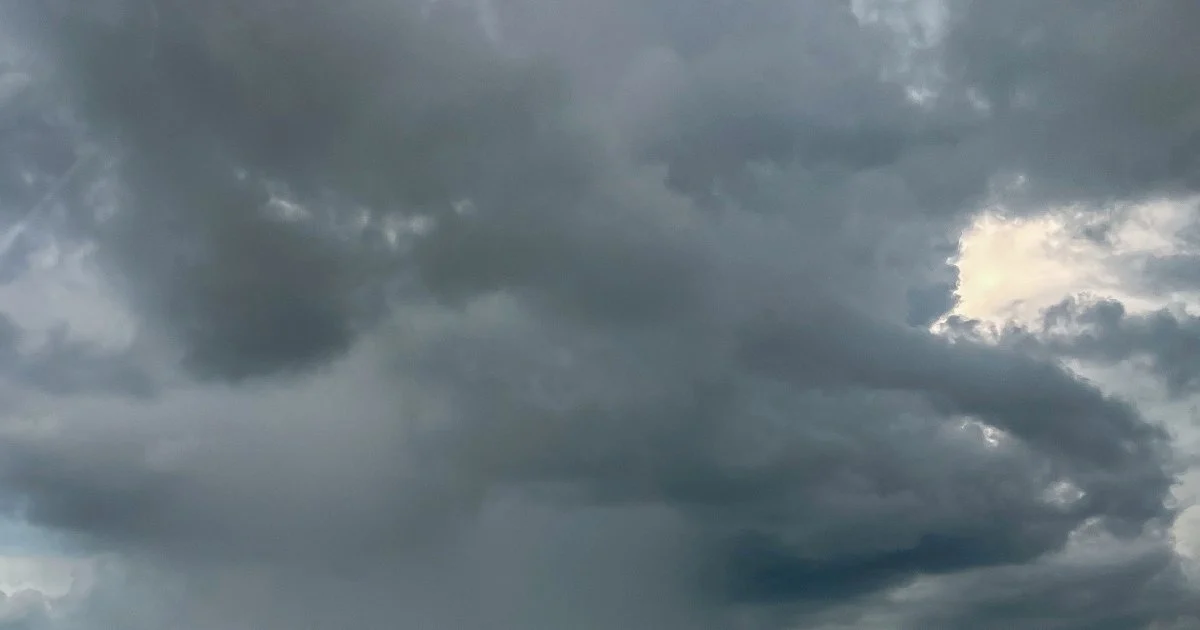
Heavy thunderstorms are set to impact four northern Malaysian states through noon today, according to an alert issued by the Malaysian Meteorological Department. The meteorological authority has cautioned the public about the combination of intense rainfall and strong gusty winds that could accompany these weather systems across the affected regions. Residents and businesses in the warning zones should prepare for disruptions to daily activities and potential hazards related to sudden atmospheric changes.
Thunderstorm warnings of this nature typically indicate atmospheric conditions where moisture, instability, and wind shear have aligned to produce vigorous convective systems. Such weather phenomena can develop and intensify rapidly, sometimes with little warning, and the heavy precipitation associated with them can overwhelm drainage systems and create flash flood conditions in low-lying areas. The strong winds component poses additional risks to structures, outdoor installations, and vegetation across the northern corridor.
For residents in affected areas, the period until midday represents a critical window when enhanced precautions become necessary. Outdoor activities, construction work, and agricultural operations may need to be suspended or significantly curtailed during the most intense phases of the thunderstorm activity. Motorists should exercise heightened caution, as reduced visibility from heavy rain combined with strong crosswinds creates hazardous road conditions, particularly on highways and elevated routes where wind effects are magnified.
The timing of this warning until noon suggests meteorologists anticipate the systems will gradually weaken during the early-to-mid-morning hours as atmospheric destabilisation diminishes. However, the unpredictable nature of thunderstorms means conditions can shift or persist longer than initially forecast, and residents should maintain vigilance rather than assume automatic improvement at the predicted time. Weather patterns during the season when these alerts are issued often feature moisture-laden air masses and atmospheric instability that can sustain convective activity longer than expected.
For maritime operations and water-based activities, such thunderstorm warnings carry particular significance. Coastal areas and river systems within the four affected states could experience sudden water level rises and dangerous conditions that materialise with minimal notice. Fishermen, recreational boaters, and those conducting water transportation should remain in port or seek shelter, as the combination of heavy rain and strong winds creates perilous circumstances on water bodies of all sizes.
The Malaysian Meteorological Department's alert system plays a crucial role in public safety during severe weather events. These warnings provide essential lead time that allows individuals, families, and organisations to implement protective measures before dangerous conditions develop. Awareness of the specific time window and the types of hazards involved enables better decision-making about movement, activity scheduling, and risk management throughout the morning hours.
Communities in northern Malaysia's urban and rural areas should ensure they understand local evacuation routes, shelter locations, and emergency procedures relevant to their specific environments. While thunderstorms are not uncommon in Malaysia's tropical climate, the intensity and timing of individual systems varies considerably, and preparedness remains crucial even for weather phenomena that communities experience regularly. Schools, workplaces, and public services should have contingency plans activated during such alert periods.
The electricity infrastructure and telecommunications networks in affected areas may experience disruptions if lightning strikes impact power distribution systems or communication facilities. Individuals and organisations dependent on continuous connectivity or power supply should consider backup arrangements during the warning period. Hospitals, emergency services, and other critical infrastructure typically maintain generator backup systems, but the general population should be mindful of potential service interruptions.
For Malaysian and Southeast Asian readers, this alert exemplifies the broader weather patterns characteristic of the region's tropical monsoon climate. Northern Malaysia's geography, with its elevation variations and proximity to water bodies, creates conditions particularly susceptible to rapid thunderstorm development. Understanding these seasonal and geographical drivers of severe weather helps residents contextualise individual warnings within broader climatological patterns and make informed decisions about activity planning.
As the warning period progresses through the morning, residents should monitor updates from the Malaysian Meteorological Department for any extensions, modifications, or all-clear notifications. Weather conditions in the tropics can shift unexpectedly, and official guidance provides the most reliable information available. The department typically updates severe weather alerts as new observational data arrives, so maintaining awareness of any revised forecasts remains important until the original warning period expires or official notice indicates improved conditions.
%22%2F%3E%3C%2Fpattern%3E%3C%2Fdefs%3E%3Crect%20width%3D%22100%25%22%20height%3D%22100%25%22%20fill%3D%22url(%23ph14znng)%22%2F%3E%3Crect%20width%3D%22100%25%22%20height%3D%22100%25%22%20fill%3D%22url(%23ph14znnp)%22%2F%3E%3Ctext%20x%3D%2250%25%22%20y%3D%2250%25%22%20text-anchor%3D%22middle%22%20dominant-baseline%3D%22central%22%20fill%3D%22rgba(255%2C255%2C255%2C0.95)%22%20font-family%3D%22Georgia%2C%20'Times%20New%20Roman'%2C%20serif%22%20font-weight%3D%22700%22%20font-size%3D%22272%22%20letter-spacing%3D%22-0.02em%22%3EAnwar%3C%2Ftext%3E%3C%2Fsvg%3E)