%22%2F%3E%3C%2Fpattern%3E%3C%2Fdefs%3E%3Crect%20width%3D%22100%25%22%20height%3D%22100%25%22%20fill%3D%22url(%23ph14znng)%22%2F%3E%3Crect%20width%3D%22100%25%22%20height%3D%22100%25%22%20fill%3D%22url(%23ph14znnp)%22%2F%3E%3Ctext%20x%3D%2250%25%22%20y%3D%2250%25%22%20text-anchor%3D%22middle%22%20dominant-baseline%3D%22central%22%20fill%3D%22rgba(255%2C255%2C255%2C0.95)%22%20font-family%3D%22Georgia%2C%20'Times%20New%20Roman'%2C%20serif%22%20font-weight%3D%22700%22%20font-size%3D%22272%22%20letter-spacing%3D%22-0.02em%22%3EAnwar%3C%2Ftext%3E%3C%2Fsvg%3E)
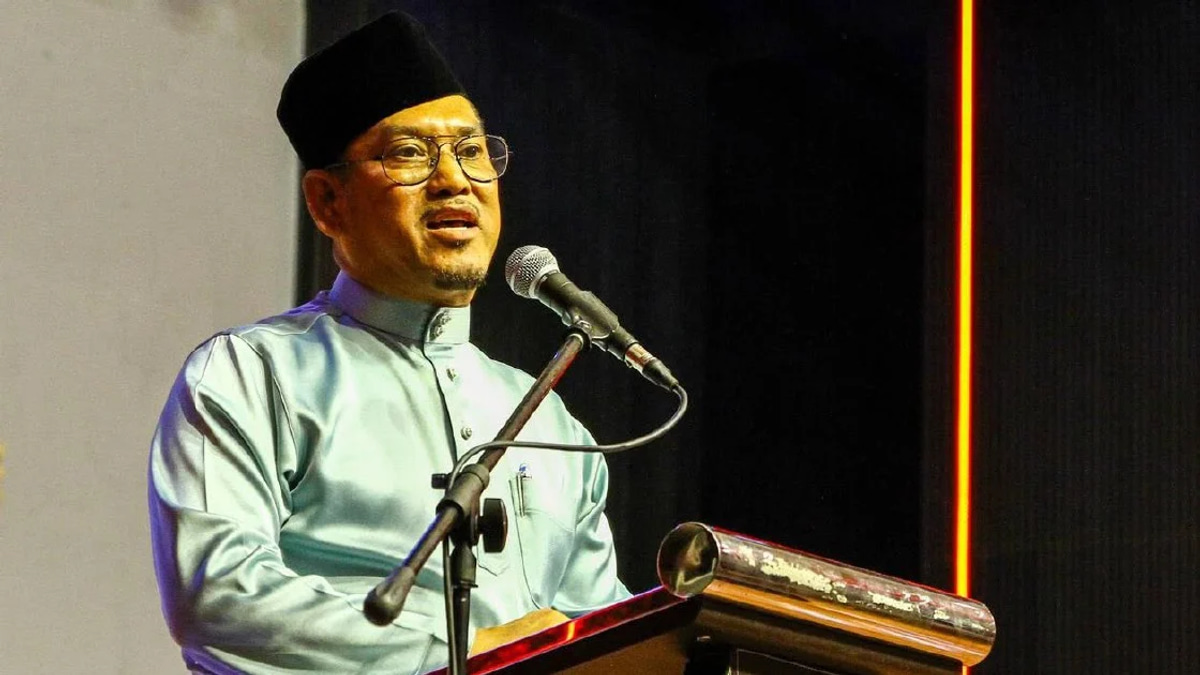
Prime Minister Datuk Seri Anwar Ibrahim's diplomatic missions to Russia and Turkmenistan have illustrated how personal magnetism and seasoned negotiating experience can serve as potent instruments in advancing national interests on the international stage. Beyond the customary formal protocols and bilateral agreements that characterise high-level state visits, observers have noted that Anwar's engaging manner and cross-cultural communication skills have created openings for deeper engagement with both nations, underscoring Malaysia's commitment to maintaining balanced relationships across geopolitical fault lines.
The timing of these visits carries particular significance for Malaysia's broader foreign policy architecture. As Southeast Asia navigates increasingly complex relationships with major powers—particularly amid heightened great-power competition—Anwar's demonstrated ability to build rapport with leaders from strategically important nations positions Malaysia as a thoughtful intermediary capable of engaging across ideological and regional divides. This capacity for balanced diplomacy has become a valuable commodity in a region where most nations are pressed to choose sides in evolving global rivalries.
During his Russia visit, Anwar engaged in substantive discussions covering trade cooperation, energy partnerships, and security matters relevant to both nations. Rather than approaching these conversations through a transactional lens, his approach emphasised long-term relationship building and mutual respect for sovereign interests. This contrasts with the tendency in some diplomatic circles to view engagement primarily through economic or strategic advantage, creating space for more genuine dialogue about shared concerns and complementary interests.
Turkmenistan represents another critical vector for Malaysian engagement in Central Asia, a region historically underrepresented in Southeast Asian foreign policy despite its energy resources and geostrategic importance. Anwar's visit to Turkmenistan underscored Malaysia's intent to expand influence and partnerships beyond the traditional Association of Southeast Asian Nations sphere, recognising that contemporary regional security and economic prosperity require diversified relationships across multiple continents. The engagement signalled that Malaysia views Central Asian stability and prosperity as relevant to its own strategic environment.
What distinguishes Anwar's diplomatic approach is his consistent emphasis on values-based dialogue rather than purely transactional negotiations. His background as a reform advocate and intellectual brings a dimension to bilateral discussions that extends beyond trade statistics and defence agreements. This resonates particularly well with nations seeking to build relationships with Southeast Asian partners who can engage on ideological and philosophical grounds, not merely commercial ones.
For Malaysia's domestic audience, Anwar's successful diplomatic navigation demonstrates that the nation maintains agency in international affairs despite regional pressures. In an era when smaller nations are often characterised as having limited choices, Malaysia's ability to engage meaningfully with major powers—whether in Europe, Asia, or the Middle East—affirms the country's relevance and the value of its diplomatic corps. This has implications for how Malaysians perceive their nation's standing in global affairs and its capacity to shape outcomes.
The visits also reflect Malaysia's pragmatic recognition that energy security and economic diversification require engagement with non-traditional partners. Russia's importance in global energy markets and Turkmenistan's significant hydrocarbon reserves make these relationships economically relevant, particularly as Malaysia pursues strategies to stabilise energy costs and diversify supply chains following global disruptions. Anwar's personal engagement signals that these connections rank among Malaysia's diplomatic priorities.
Moreover, Anwar's approach demonstrates awareness of how personal relationships between leaders facilitate government-to-government cooperation across multiple sectors. When bilateral relationships rest primarily on strong personal connections, they tend to prove more resilient during periods of diplomatic friction or international tension. This foundation of personal trust creates space for problem-solving when formal mechanisms might be constrained by geopolitical considerations or domestic political pressures.
The successful execution of these visits also enhances Malaysia's reputation as a reliable interlocutor for dialogue-based diplomacy. In an international environment increasingly characterised by confrontation and rigid positioning, nations that demonstrate commitment to engagement and understanding become more valuable partners for countries seeking to maintain peaceful relations without compromising strategic interests. This reputation opens doors to future diplomatic initiatives and collaborative arrangements.
Looking forward, Anwar's demonstrated diplomatic skills will prove increasingly important as Malaysia navigates the complexities of great-power competition while advancing its own development agenda. The Prime Minister's charisma and negotiating acumen represent genuine assets that transcend the limitations of Malaysia's economic size or military capabilities, allowing the nation to punch above its weight diplomatically. His visits to Russia and Turkmenistan exemplify how thoughtful, personally engaged leadership can translate into concrete diplomatic advantages that serve Malaysia's long-term interests across multiple regions and issue areas.
%22%2F%3E%3C%2Fpattern%3E%3C%2Fdefs%3E%3Crect%20width%3D%22100%25%22%20height%3D%22100%25%22%20fill%3D%22url(%23ph25l6fg)%22%2F%3E%3Crect%20width%3D%22100%25%22%20height%3D%22100%25%22%20fill%3D%22url(%23ph25l6fp)%22%2F%3E%3Ctext%20x%3D%2250%25%22%20y%3D%2250%25%22%20text-anchor%3D%22middle%22%20dominant-baseline%3D%22central%22%20fill%3D%22rgba(255%2C255%2C255%2C0.95)%22%20font-family%3D%22Georgia%2C%20'Times%20New%20Roman'%2C%20serif%22%20font-weight%3D%22700%22%20font-size%3D%22272%22%20letter-spacing%3D%22-0.02em%22%3EAnwar%3C%2Ftext%3E%3C%2Fsvg%3E)