%22%2F%3E%3C%2Fpattern%3E%3C%2Fdefs%3E%3Crect%20width%3D%22100%25%22%20height%3D%22100%25%22%20fill%3D%22url(%23ph160zag)%22%2F%3E%3Crect%20width%3D%22100%25%22%20height%3D%22100%25%22%20fill%3D%22url(%23ph160zap)%22%2F%3E%3Ctext%20x%3D%2250%25%22%20y%3D%2250%25%22%20text-anchor%3D%22middle%22%20dominant-baseline%3D%22central%22%20fill%3D%22rgba(255%2C255%2C255%2C0.95)%22%20font-family%3D%22Georgia%2C%20'Times%20New%20Roman'%2C%20serif%22%20font-weight%3D%22700%22%20font-size%3D%22136%22%20letter-spacing%3D%22-0.02em%22%3ETerengganu%3C%2Ftext%3E%3C%2Fsvg%3E)
Authorities in Terengganu have dismantled what appears to be a substantial narcotics network following the arrest of two brothers linked to a residential drug manufacturing operation in Kampung Duyong Besar. The development marks another significant enforcement action against organised drug trafficking in Malaysia's east coast region, where trafficking networks have increasingly adapted to local market demands.
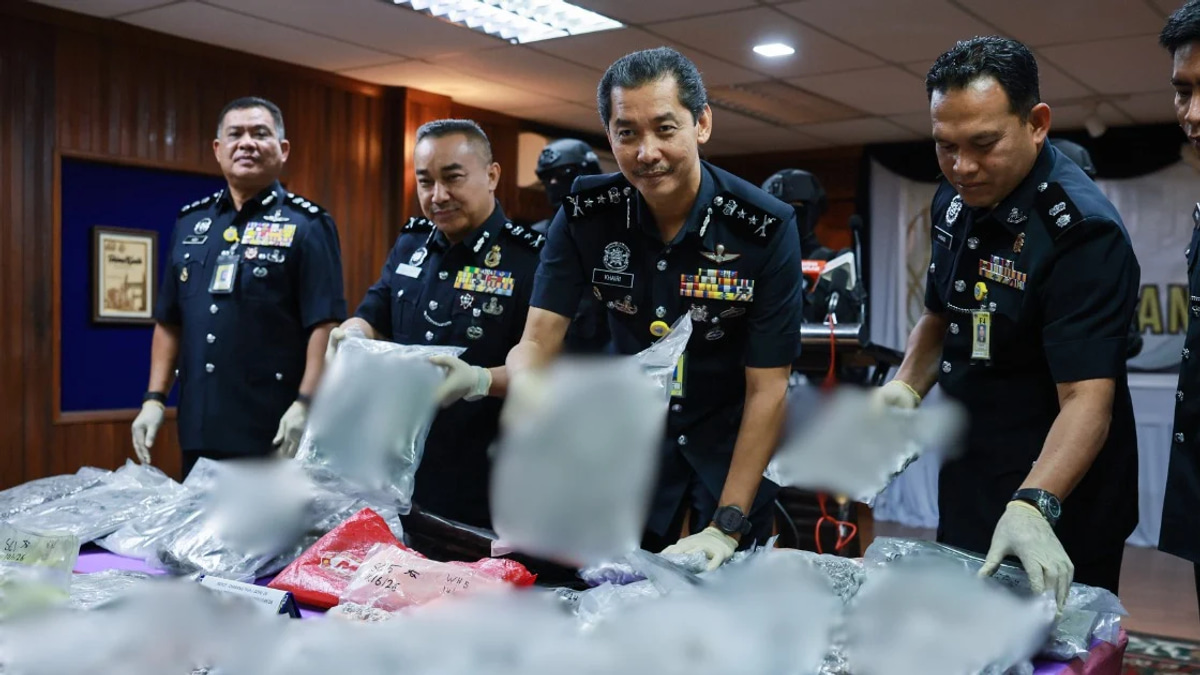
The operation, conducted by Terengganu police, uncovered evidence suggesting the brothers were systematically producing and distributing cannabis products under the cover of routine domestic activity. Investigators discovered that their residence served as both a manufacturing facility and distribution hub, allowing them to process raw materials and package products for wider circulation. The scale and sophistication of the operation indicate this was not a casual, small-scale venture but rather an organised effort to supply regional markets.
The monetary value of confiscated items totalled approximately RM1.76 million, comprising both the street value of cannabis products recovered during the raid and the assessed worth of seized vehicles. This figure underscores the substantial profit potential that attracts individuals into the narcotics trade despite severe legal penalties. The recovery of luxury vehicles—typically financed through proceeds of drug sales—demonstrates how trafficking operations generate sufficient income to support lavish lifestyles, often serving as visible markers that eventually draw police attention.
The seizure of high-end vehicles represents a significant asset recovery win for law enforcement. These automobiles, likely purchased using money derived from drug transactions, will now be subjected to forfeiture proceedings under Malaysia's anti-trafficking legislation. This approach simultaneously disrupts the visible manifestations of criminal wealth while providing potential funds for crime prevention and community programmes when vehicles are eventually auctioned or liquidated through official channels.
The Kampung Duyong Besar location in Kuala Terengganu places this operation within a region that has emerged as a focal point for drug enforcement activity. Proximity to both domestic distribution networks and potential international trafficking routes makes east coast residential areas particularly attractive to traffickers seeking to balance accessibility with relative discretion. Local communities in such areas often become collateral damage to trafficking operations, experiencing increased crime, social disorder, and public health impacts associated with drug distribution hubs.
Cannabis-related offences have presented enforcement challenges across Malaysia, partly due to evolving perceptions of cannabis legality in some jurisdictions and international markets. This case demonstrates that domestic law enforcement continues to treat cannabis production and distribution as serious criminal activity requiring intensive investigation and prosecution. The decision to pursue these brothers suggests police assessed sufficient evidence of intent to supply rather than mere possession, potentially triggering more severe charges under Malaysia's Dangerous Drugs Act.
The investigation likely involved substantial groundwork before the raid occurred. Modern drug enforcement relies increasingly on intelligence gathering, surveillance, and coordination with neighbouring districts to identify distribution patterns and supply chain vulnerabilities. The successful recovery of both products and vehicles suggests investigators had developed comprehensive understanding of the operation's scope before making arrests, maximising the disruption impact while securing evidence for prosecution.
For Malaysian communities, particularly in Terengganu and surrounding states, such enforcement actions provide temporary supply disruptions but rarely constitute permanent solutions to trafficking challenges. Once this network is dismantled, market pressures typically incentivise replacement operators to establish alternative distribution channels. Sustainable reduction in drug availability requires complementary public health approaches, addiction treatment services, and community prevention programmes working alongside enforcement.
The arrest of the brothers initiates lengthy legal processes that will likely extend across several months. Malaysian courts handle drug trafficking cases with considerable gravity, and evidence of manufacturing operations combined with asset recovery typically results in substantial custodial sentences. The brothers may face charges under multiple provisions of drug legislation, with potential sentences substantially exceeding those for simple possession, particularly given the apparent scale of their operation.
This enforcement action reflects broader Terengganu police commitments to combating organised drug activities within their jurisdiction. The state has historically recorded significant seizure volumes, indicating both substantial trafficking activity and sustained police focus on interdiction operations. However, the transition from reactive enforcement—responding to seizures and arrests—toward proactive dismantling of entire networks remains an evolving capacity within Malaysian policing, requiring sustained investment in investigation expertise and intelligence resources.
The case serves as a stark reminder that residential neighbourhoods can harbour significant criminal enterprises while maintaining outward appearances of normality. Neighbours of traffickers often remain unaware of activities occurring behind closed doors, suggesting community reporting mechanisms and public vigilance remain essential to identifying operations that might otherwise escape detection. Police have consistently encouraged residents to report suspicious activities, particularly unusual traffic patterns, unusual deliveries, or observable manufacturing equipment at residential locations.