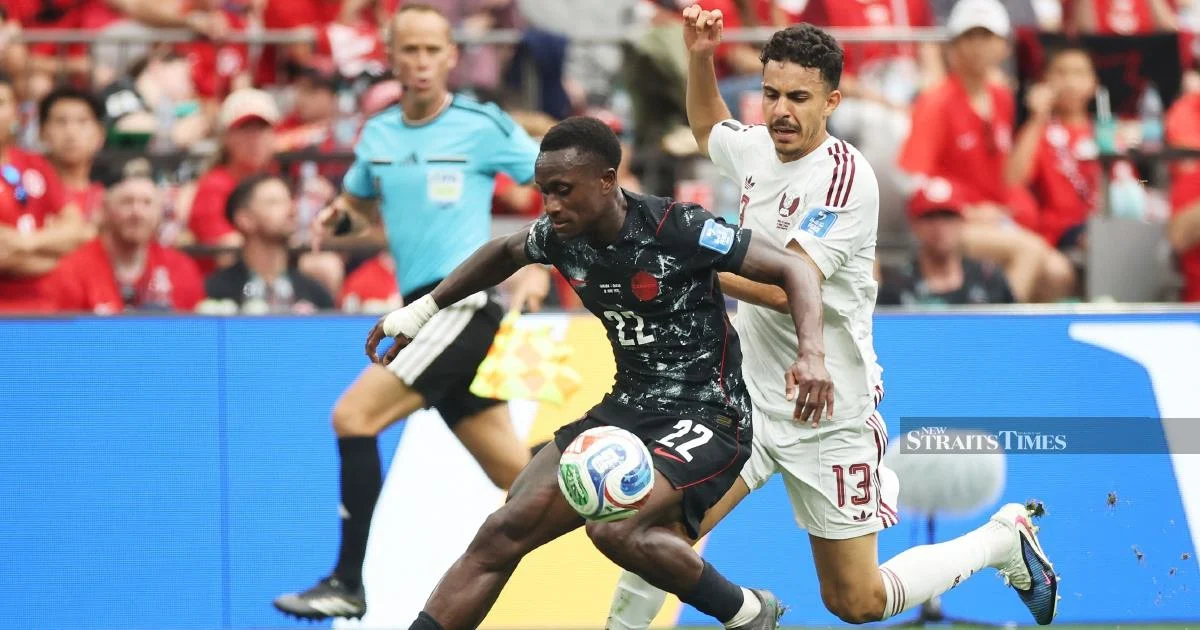
Qatar's catastrophic 6-0 defeat at the hands of Canada during the World Cup has prompted sharp criticism from football specialists, who point to the result as compelling evidence that financial wealth alone cannot manufacture sporting excellence. The emphatic margin of defeat delivered in front of a global audience underscores a fundamental lesson that resonates across sport: building a genuinely competitive football programme requires far more than simply accumulating resources and spending lavishly on players and facilities.
The Gulf state's ambitious hosting of the 2024 World Cup represented the culmination of decades of strategic investment in football development, backed by enormous petroleum revenues. Qatar invested billions of dollars constructing state-of-the-art stadiums, training centres, and infrastructure designed to position the nation as a continental football powerhouse. Yet despite these extraordinary expenditures and the hosting advantage that typically comes with staging the tournament, the national team's performance proved devastatingly disappointing, raising uncomfortable questions about whether the investment strategy was fundamentally misguided.
Football analysts point out that successful national teams are typically built on deep foundations within the domestic game. Traditional football powers like France, Germany, Spain, and Brazil developed their winning cultures over generations through grassroots participation, competitive domestic leagues, and systematic player development pathways. These nations benefited from the organic growth of football culture within their societies, where millions of young people played the game regularly and competitive pressure forced constant improvement. Qatar, by contrast, took a shortcut approach, attempting to accelerate the process through financial injection without establishing the same cultural foundations.
The Canadian thrashing exposes what happens when investment in elite-level infrastructure outpaces the development of broader participation structures. Qatar's population is relatively small, with many residents being expatriate workers rather than long-term inhabitants invested in the national team's fortunes. The domestic league, despite heavy financial backing, has struggled to generate the intensity of competition necessary to produce world-class players capable of performing on football's biggest stage. Without this internal competitive ecosystem, even the most generous spending becomes inefficient.
Regional observers note that Qatar's experience holds particular relevance for other aspirational nations across Asia and the Middle East. Several countries have adopted similar strategies, believing that wealth can accelerate football development. However, the six-goal defeat serves as a cautionary reminder that sustainable sporting achievement requires patience, cultural integration, and systematic player development rather than quick-fix solutions. The lesson applies equally to Southeast Asian nations considering similar investment models to improve their own football fortunes.
Critics also highlight the role of player recruitment strategy in Qatar's failure. The national team assembled a squad featuring numerous foreign-born players who chose to represent the country through family connections or opportunistic transfers. While such recruitment can succeed if the players are genuinely committed and properly integrated, the approach inherently creates risks of inconsistent motivation and divided loyalty. When results deteriorate, teams lacking deep historical bonds and shared identity can fragment rapidly, which appeared evident in the Canadian encounter.
The psychological toll of such humiliation cannot be underestimated. Facing a six-goal deficit broadcasts to the world that despite generations of investment and careful planning, the programme remains fundamentally uncompetitive at the highest level. For a nation that positioned its World Cup hosting as a showcase of capability and sporting ambition, the result represents profound embarrassment that no amount of post-match analysis can entirely ameliorate. The damage to the long-term credibility of Qatari football will take years to repair.
Looking forward, football development specialists suggest that Qatar must pursue a more humble and patient strategy. Building a authentic football culture requires investing heavily in grassroots development, domestic league quality, and player pathway systems that identify and nurture talent from childhood through professional maturity. This approach yields results only across decades rather than years, but it produces the organic competitive infrastructure that generates genuinely world-class performers. Wealthy nations willing to accept this reality can eventually establish competitive programmes; those expecting shortcuts invariably face disappointment.
The Canadian victory, meanwhile, demonstrated that consistent investment in player development and tactical organisation across a broader population base yields superior results compared to concentrated spending at elite level. Canada's football culture, whilst not matching traditional European powers, has benefited from sustained grassroots participation and a competitive domestic league structure. This comparative advantage manifested in physical dominance and tactical coherence that overwhelmed Qatar despite the hosts' technical abilities with the ball.
For Malaysian football observers, Qatar's experience offers instructive parallels. Southeast Asian football nations similarly grapple with the challenge of generating global competitiveness while operating from smaller populations and less wealthy resource bases. Rather than pursuing expensive foreign recruitment and infrastructure-heavy development models, the lesson suggests that investing strategically in grassroots participation, domestic league competitiveness, and youth development pathways offers more sustainable paths toward genuine improvement. Success in modern football comes through building authentic competitive culture, not merely accumulating capital.