Institut Jantung Negara (IJN) has launched a targeted health initiative aimed at media professionals, offering a 15 per cent reduction on its Essential Heart Screening Package as part of the National Journalists' Day (HAWANA) 2026 festivities. The scheme represents a deliberate effort to encourage cardiovascular awareness among a professional demographic frequently subjected to intense work pressures and irregular schedules that can compromise personal health management. By positioning heart health checks as accessible and affordable, IJN seeks to penetrate an occupational group that has historically underutilised preventive healthcare services.
The backdrop to this initiative underscores a persistent challenge within Malaysia's media industry. Journalists operating under perpetual deadline constraints and high-stress editorial environments often defer medical attention, viewing health screenings as a luxury rather than necessity. This occupational reality creates a vulnerable population prone to undiagnosed hypertension, elevated cholesterol, and other cardiovascular risk factors. IJN's intervention directly addresses this gap by removing financial obstacles while offering scheduling flexibility, effectively lowering barriers that traditionally prevent media practitioners from prioritising preventive care.
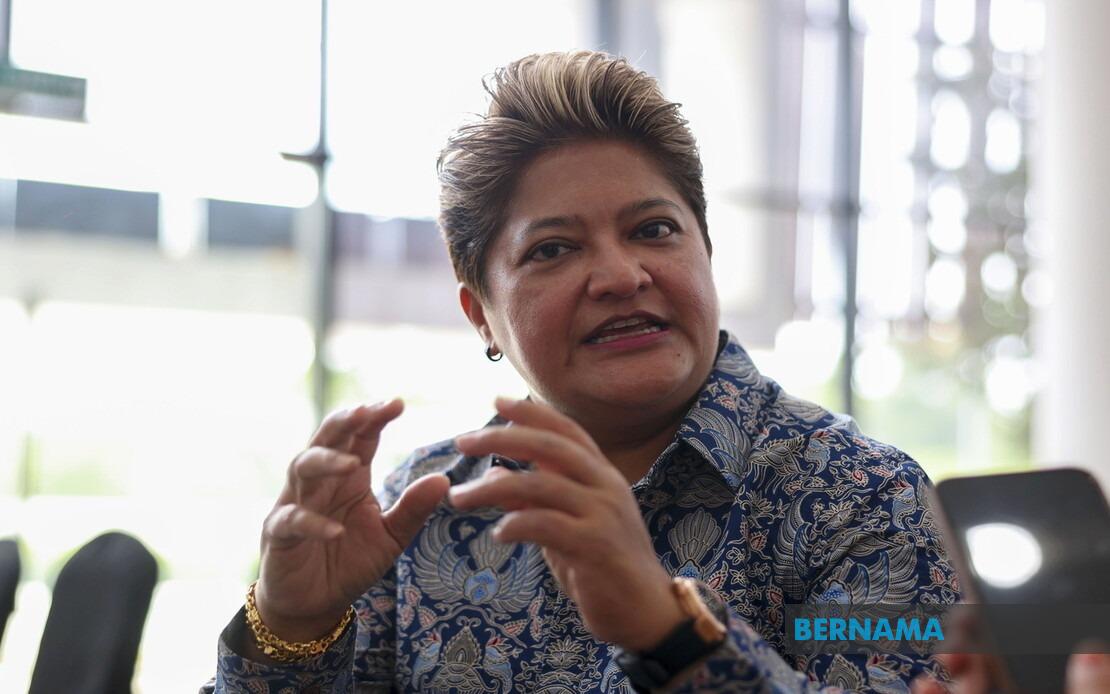
Farah Delah Suhaimi, head of IJN's Marketing Department, outlined the comprehensive nature of the screening package during the HAWANA 2026 event at PICCA Convention Centre @ Arena Butterworth in Penang. The Essential Heart Screening Package incorporates three diagnostic components: an electrocardiogram to assess electrical heart activity, a stress test to evaluate cardiac response under physical exertion, and a consultation with a specialist cardiologist for personalised assessment and recommendations. This layered approach ensures that screening extends beyond simple measurements to include specialist interpretation and clinical guidance.
Registration logistics have been simplified to maximise accessibility. Media practitioners can secure bookings and complete payments over a three-month window either directly at the dedicated HAWANA booth or through IJN's digital platform. Once booked, screening appointments remain flexible with validity extending until year-end, accommodating the unpredictable schedules characteristic of news organisations. This extended timeframe and flexibility represent strategic design choices intended to remove temporal obstacles that might otherwise deter professionals from participating.
To facilitate on-site screening, IJN deployed a fully equipped mobile examination unit to the convention centre, reflecting institutional commitment to bringing preventive healthcare closer to the target demographic. The mobile clinic operates with four examination beds and remains staffed by approximately 30 trained personnel, enabling simultaneous assessment of multiple individuals. Initial screenings conducted at the central booth measure fundamental vital signs including blood pressure, cholesterol levels, and glucose readings, alongside preliminary electrocardiographic assessment.
The mobile unit significantly enhances the screening pathway by enabling immediate escalation for individuals displaying abnormal readings. Should initial booth assessments reveal concerning indicators, participants can proceed directly to the mobile clinic truck for advanced testing, specifically echocardiography (ultrasound imaging of cardiac structure and function). This integrated two-tier system maximises the efficiency of the screening day while ensuring that individuals requiring deeper investigation receive prompt specialist evaluation without delay or additional inconvenience.
Adie Suri Zulkefli, a 46-year-old member of the Malaysian Media Council, validated the initiative from an industry perspective, acknowledging the substantial barriers that typically prevent media professionals from accessing regular health evaluations. He emphasised that financial constraints and competing time demands represent the primary obstacles preventing journalists from engaging with preventive healthcare services. The combination of meaningful cost reduction and appointment scheduling flexibility directly neutralises these obstacles, creating genuine incentive structures for media practitioners to undergo cardiovascular assessment before potential health complications develop.
The significance of this intervention extends beyond the immediate beneficiaries to broader public health implications within Malaysia's media sector. Media professionals exercise disproportionate influence on public discourse and health messaging. Journalists prioritising their own cardiovascular health become better positioned to communicate health risks authentically to their audiences, potentially amplifying the reach and credibility of cardiac health awareness campaigns across media platforms. This multiplier effect transforms individual screening participation into a vehicle for broader health literacy advancement.
The timing of IJN's initiative during HAWANA 2026 celebrations carries symbolic weight, positioning cardiovascular health as integral to professional wellbeing rather than peripheral to journalistic identity. By integrating health screening into the occupational community's principal annual gathering, IJN normalises preventive healthcare within media culture. The event-based approach generates peer momentum, as colleagues engaging with screening services create social proof and reduce perceived stigma around health-seeking behaviour within the workplace.
Regional dimensions warrant consideration, particularly for Southeast Asian news organisations operating across multiple countries. Malaysia's experience with occupational health initiatives targeting media professionals could establish a template for neighbouring countries confronting similar challenges. Thailand, Indonesia, and the Philippines similarly support substantial media industries operating under demanding conditions that compromise worker health. The IJN model—combining subsidised screening, flexible scheduling, and convenience-focused service delivery—addresses universal barriers transcending geographic boundaries.
Looking forward, the success of this HAWANA 2026 initiative may establish precedent for subsequent annual interventions, potentially expanding beyond cardiology to encompass comprehensive occupational health assessment addressing the full spectrum of health risks endemic to journalism. Mental health screening, respiratory assessment (reflecting exposure to various environmental conditions during field reporting), and musculoskeletal evaluation would logically complement cardiovascular assessment for a holistic occupational health programme. IJN's 2026 launch position the institution as responsive to professional community health needs, potentially generating sustained partnerships with media organisations and professional bodies.
The initiative ultimately reflects contemporary understanding that preventive healthcare requires proactive institutional engagement, particularly when targeting populations whose professional cultures may inadvertently deprioritise personal wellbeing. By designing an intervention specifically tailored to media practitioners' constraints and circumstances, IJN demonstrates that effective health promotion extends beyond messaging to encompass structural accommodation of real-world barriers. The 15 per cent discount, extended booking windows, and on-site mobile facilities represent thoughtful systems design aimed at transforming cardiovascular health awareness from abstract policy objective into concrete, accessible personal reality for Malaysia's journalism community.
%22%2F%3E%3C%2Fpattern%3E%3C%2Fdefs%3E%3Crect%20width%3D%22100%25%22%20height%3D%22100%25%22%20fill%3D%22url(%23ph4x2jvg)%22%2F%3E%3Crect%20width%3D%22100%25%22%20height%3D%22100%25%22%20fill%3D%22url(%23ph4x2jvp)%22%2F%3E%3Ctext%20x%3D%2250%25%22%20y%3D%2250%25%22%20text-anchor%3D%22middle%22%20dominant-baseline%3D%22central%22%20fill%3D%22rgba(255%2C255%2C255%2C0.95)%22%20font-family%3D%22Georgia%2C%20'Times%20New%20Roman'%2C%20serif%22%20font-weight%3D%22700%22%20font-size%3D%22226%22%20letter-spacing%3D%22-0.02em%22%3EExists%3C%2Ftext%3E%3C%2Fsvg%3E)
%22%2F%3E%3C%2Fpattern%3E%3C%2Fdefs%3E%3Crect%20width%3D%22100%25%22%20height%3D%22100%25%22%20fill%3D%22url(%23ph4yddrg)%22%2F%3E%3Crect%20width%3D%22100%25%22%20height%3D%22100%25%22%20fill%3D%22url(%23ph4yddrp)%22%2F%3E%3Ctext%20x%3D%2250%25%22%20y%3D%2250%25%22%20text-anchor%3D%22middle%22%20dominant-baseline%3D%22central%22%20fill%3D%22rgba(255%2C255%2C255%2C0.95)%22%20font-family%3D%22Georgia%2C%20'Times%20New%20Roman'%2C%20serif%22%20font-weight%3D%22700%22%20font-size%3D%22194%22%20letter-spacing%3D%22-0.02em%22%3ERefugee%3C%2Ftext%3E%3C%2Fsvg%3E)