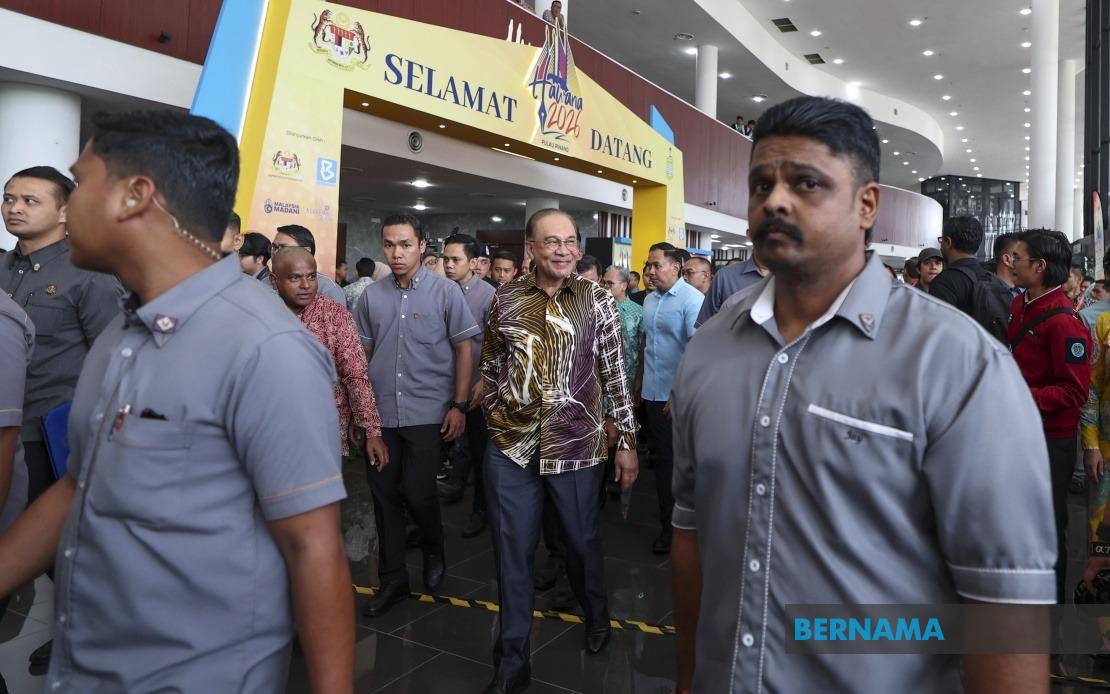
Prime Minister Datuk Seri Anwar Ibrahim has formally opened the HAWANA 2026 National Journalists' Day celebration at the PICCA Convention Centre @ Butterworth Arena, marking a significant gathering of the nation's media community and international press representatives. Arriving at 2.40 pm, the Prime Minister was welcomed by a delegation including Penang Chief Minister Chow Kon Yeow, Communications Minister Datuk Fahmi Fadzil, and Communications Ministry secretary-general Datuk Abdul Halim Hamzah, underscoring the event's importance within Malaysia's media and communications landscape.
The HAWANA 2026 celebration represents more than a ceremonial acknowledgement of the press; it embodies a deliberate effort by the Malaysian government to reinforce the role of journalism in maintaining public trust and democratic discourse. The event's theme, 'Media Integrity Strengthens Credibility', strikes at the heart of contemporary challenges facing news organisations worldwide, where misinformation and erosion of institutional trust have become persistent concerns. By positioning media integrity as central to credibility, Malaysian authorities signal recognition that professional journalism serves as a cornerstone for informed citizenship and social cohesion.
The gathering draws an impressive international dimension, with delegations from across the ASEAN region and beyond attending the proceedings. Representatives from Timor-Leste's Ministry of Social Communication, Cambodia's Ministry of Information, and Laos' Ministry of Technology and Communications attended alongside officials from regional news agencies including Indonesia's Antara News Agency, the Vietnam News Agency, and China's Xinhua. This multinational presence reflects the interconnected nature of Southeast Asian media networks and the region's shared interest in establishing professional standards and best practices in journalism.
Approximately 1,000 media practitioners have converged at the Butterworth venue, creating what organisers describe as a strategic platform for contemporary journalism to evolve. Such assemblies afford practitioners opportunities to exchange perspectives on emerging challenges, from digital transformation reshaping newsrooms to the regulatory environment governing media operations across different jurisdictions. For Malaysian journalists, the gathering presents a chance to benchmark their practices against regional and international peers whilst addressing challenges particular to the local media ecosystem.
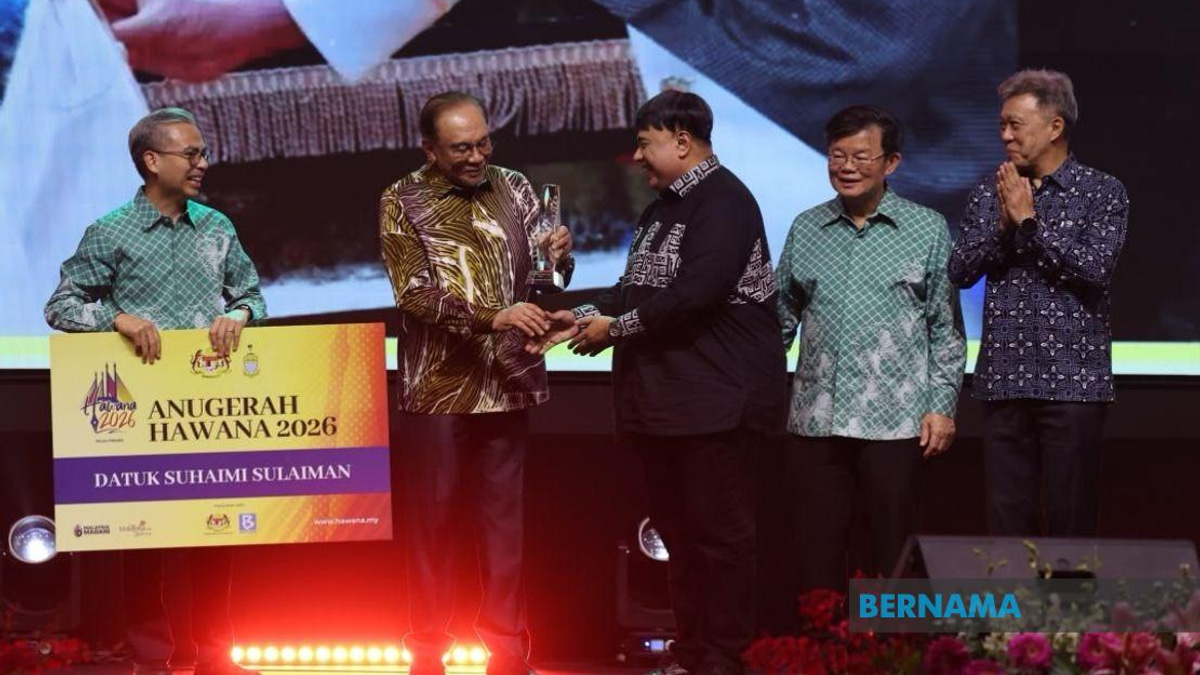
Central to the day's proceedings is the presentation of the HAWANA Award and Special HAWANA Award, recognising individuals whose contributions have significantly advanced journalism and shaped public discourse. These honours serve a dual purpose: celebrating outstanding achievement whilst establishing benchmarks for professional conduct that the broader media community aspires to meet. The awards mechanism institutionalises excellence, sending a clear message about which practices and values the industry and government collectively endorse.
Beyond formal recognition, the celebration incorporates distribution of contributions from the Kasih@HAWANA Fund to deserving media veterans, acknowledging the often precarious circumstances many journalists face during their careers and in retirement. Malaysia's media sector, like many in the developing world, has witnessed consolidation and economic pressures that have challenged newsroom economics and journalist compensation. The fund represents a tangible commitment to supporting those who have dedicated professional lives to the craft, recognising their sacrifices in pursuing stories and maintaining watchdog functions.
Prior to the formal proceedings, Prime Minister Anwar toured exhibition booths and the HAWANA 2026 Photo Gallery, engaging with visual representations of journalistic work and developments in the media sector. Such interactions, whilst perhaps ceremonial in nature, reinforce government accessibility to and engagement with media institutions. They also provide symbolic reassurance to journalists that their work is recognised at the highest levels of political leadership.
The event's organisation under the Communications Ministry with Bernama, Malaysia's national news agency, as implementing body reflects institutional clarity about journalism's role within Malaysia's information ecosystem. Bernama, established as Malaysia's central news provider, has evolved significantly since its founding, adapting to digital transformation whilst maintaining its mandate as a source of authoritative reporting. Positioning Bernama as central to HAWANA's implementation emphasises the news agency's continuing significance within Malaysia's media architecture.
The gathering's timing and scale suggest deliberate effort by Malaysian policymakers to elevate journalism's status within public consciousness. In regional and global contexts where press freedom indices have shown troubling trends, ceremonial recognition of media excellence and integrity represents a counternarrative—one emphasising commitment to journalistic values and professional standards. For Malaysian newsrooms contending with digital disruption, audience fragmentation, and commercial pressures, such government backing and peer recognition provides institutional validation.
Looking forward, HAWANA 2026's emphasis on media integrity offers frameworks for addressing contemporary challenges affecting journalism across Southeast Asia. Misinformation, particularly during election cycles and public health emergencies, has demonstrated journalism's vulnerability to coordinated disinformation campaigns. By making integrity central to the celebration's messaging, Malaysian authorities and media leaders acknowledge these challenges whilst committing to professional standards that resist such threats. The gathering thus functions as both celebration and call to sustained professional vigilance.
For Malaysian readers and the broader Southeast Asian media landscape, HAWANA 2026 signifies recognition that quality journalism remains essential infrastructure for democratic governance and informed public participation. In an era of information abundance paradoxically coupled with knowledge scarcity, professional journalists serving institutional mandates to verify, contextualise, and present accurate information fulfill irreplaceable functions. The celebration, whilst ceremonial, serves deeper purposes in reinforcing these commitments amongst practitioners and affirming societal investment in journalistic excellence.