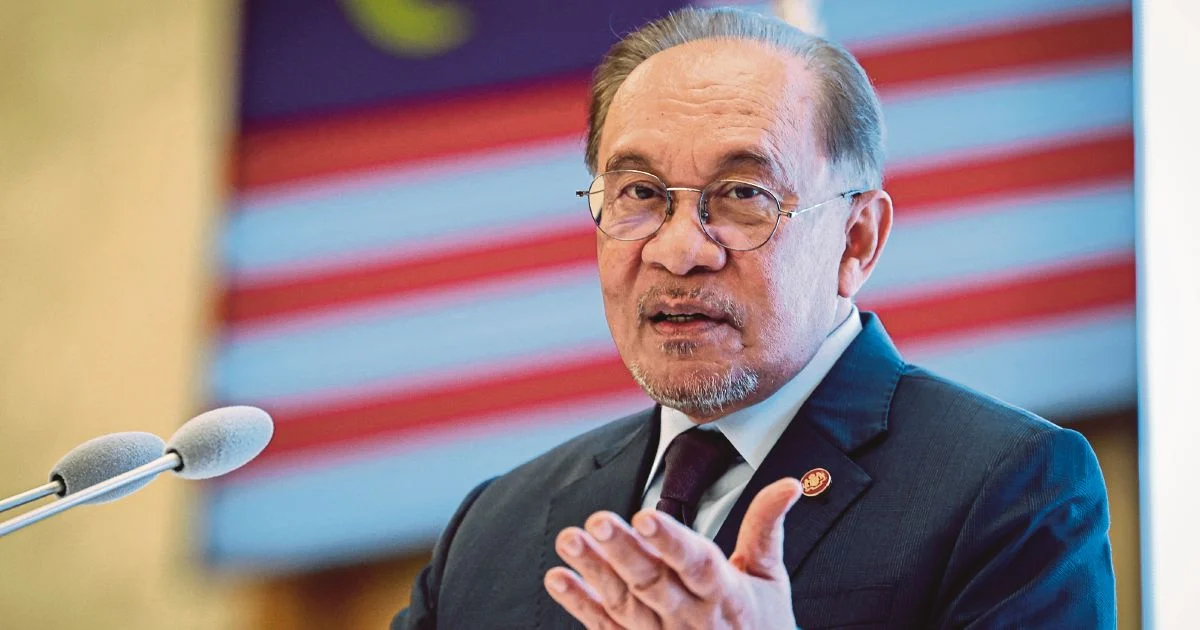
Petronas has successfully obtained a significant interest in one of the world's largest natural gas deposits through Turkmenistan's allocation decision, a development that Prime Minister Datuk Seri Anwar Ibrahim characterises as powerful external validation of Malaysia's economic standing and institutional maturity. Speaking in Batu Kawan, Anwar linked the award to broader perceptions of the nation's governance framework and investor confidence, suggesting that multinational firms conducting rigorous due diligence have concluded that Malaysia represents a stable and trustworthy operating environment in an increasingly volatile global energy landscape.
The strategic importance of this acquisition extends beyond conventional commercial metrics. Southeast Asia's energy infrastructure remains critical to regional economic growth, and Malaysia's role as a major energy player positions the nation at the centre of supply chain resilience discussions among Asian economies. Petronas, as the state's oil and gas champion, functions as an extension of Malaysia's geopolitical and economic influence in energy-producing regions. When global players like Turkmenistan award concessions to Malaysian entities, it signals that decision-makers view the country as a peer capable of managing substantial infrastructure commitments and bringing technical excellence to complex projects.
The timing of this agreement carries particular relevance in the context of Malaysia's economic diversification strategy. While the nation has successfully transitioned into higher value-added sectors, hydrocarbon exploration and production remain significant foreign exchange generators and employment sources. Petronas's international expansion activities directly support this objective by securing long-term revenue streams and positioning Malaysian expertise in global markets. The Turkmen gas field stake represents not merely an asset acquisition but also an opportunity to demonstrate Malaysian technical capabilities in frontier exploration and deepwater operations.
Turkmenistan's selection of Petronas reflects broader patterns in Central Asian energy diplomacy. The nation has historically balanced partnerships between multiple international players to avoid excessive reliance on any single power or corporation. That Malaysian interests feature prominently in these considerations suggests the country has successfully cultivated relationships with resource-rich nations outside traditional Western spheres of influence. This diversification of Malaysia's energy partnerships reduces vulnerability to geopolitical shifts and creates multiple pathways for accessing critical resources essential for regional energy security.
The confidence expressed through this transaction also underscores Malaysia's ability to attract major capital commitments from its government-linked companies. Petronas continues to compete successfully against multinational energy majors in global bidding processes, a testament to the organisation's technical expertise, financial strength, and operational track record. International investors and governments evaluating counterparties assess not only technical credentials but also the stability of the operating jurisdiction and consistency of regulatory frameworks. Anwar's framing of the deal as evidence of Malaysia's broader stability suggests awareness that energy transactions hinge fundamentally on perceptions of governance quality and political sustainability.
From a regional perspective, Malaysia's deepening involvement in Central Asian energy supplies enhances Southeast Asia's collective energy security position. The Association of Southeast Asian Nations faces growing demand for electricity and industrial energy inputs as manufacturing expands across member states. Diversified supply sources, including relationships with producers like Turkmenistan facilitated through companies like Petronas, strengthen the region's negotiating position in global energy markets and reduce exposure to price volatility from concentrated supplier bases. The strategic reserves created through such acquisitions can buffer against supply disruptions and price shocks.
The agreement also demonstrates Malaysia's ability to maintain international business relationships across diverse geopolitical contexts. Turkmenistan operates in Central Asia, a region where Malaysian engagement has historically been limited compared to Middle Eastern or Southeast Asian involvement. Expanding footprints in less familiar territories requires confidence from local counterparties, sophisticated understanding of local regulatory environments, and credible capability to deliver on contractual commitments. That Petronas has secured this position indicates the company has successfully built reputation and relationships in markets where Malaysian presence is not yet dominant.
Anwar's emphasis on unity and stability as drivers of international confidence carries domestic political significance. Recent years witnessed considerable debate regarding Malaysia's governance trajectory and political cohesion. By linking major commercial successes to perceptions of national stability, the Prime Minister constructs a narrative where international endorsement validates domestic political choices. This framing serves multiple audiences: it reassures foreign investors that Malaysia's internal political environment remains conducive to business, while simultaneously suggesting to domestic audiences that current governance arrangements generate tangible economic benefits.
The financial implications of the Turkmenistan stake warrant attention as Malaysian readers assess how such agreements translate into actual economic returns. Gas field development requires substantial capital investment over extended periods before revenue generation commences. Petronas must carefully manage project execution, negotiate favourable terms with co-partners, and navigate commodity price fluctuations affecting long-term profitability projections. The actual economic benefit depends not merely on securing the initial award but on successful project delivery and efficient production operations across a field's operational lifetime.
Looking forward, this transaction positions Malaysia within emerging supply chains that will likely define energy markets throughout the 2030s. As global transitions accelerate toward renewable energy sources and carbon-neutral production methods, natural gas serves as a transition fuel in many decarbonisation pathways. Securing stakes in premium gas resources provides Petronas with assets that remain economically viable across multiple energy transition scenarios, protecting Malaysia's energy revenues as global demand patterns evolve. The strategic foresight demonstrated through such acquisitions reflects awareness that Malaysia cannot indefinitely rely on conventional hydrocarbon exports but can optimise returns during the remaining window of high demand.