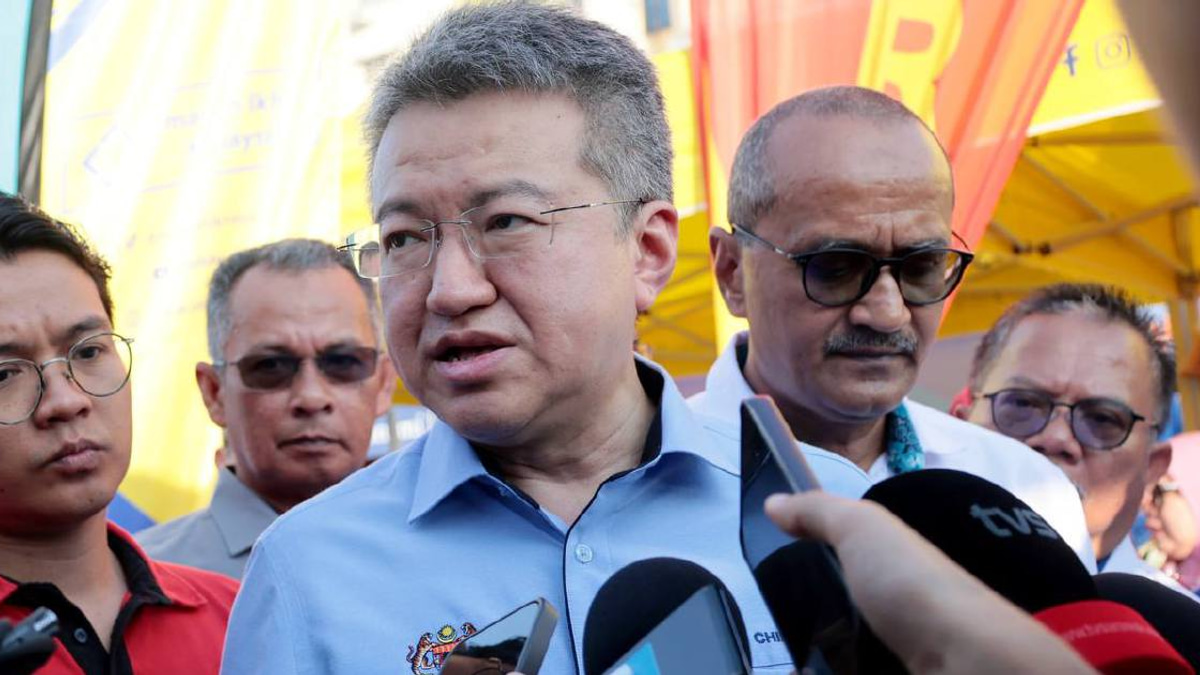
Prime Minister Datuk Seri Anwar Ibrahim has underscored the strategic significance of Petroliam Nasional Bhd's (Petronas) expanding footprint in Turkmenistan's energy sector, framing the development as a pivotal advancement for Malaysia's role on the world stage. The national oil and gas corporation's deepening engagement in Central Asia represents more than a commercial venture—it signals Malaysia's capacity to compete alongside major international players in securing access to critical energy resources that will shape global supply dynamics for decades.
Turkmenistan stands as a repository of extraordinary hydrocarbon wealth, housing reserves that rank among the planet's most substantial. The Central Asian nation possesses proven gas reserves exceeding 17 trillion cubic metres, positioning it amongst the world's top holders of this increasingly vital commodity. For Petronas, a company with a distinguished track record across Southeast Asia, the Middle East, and Africa, the opportunity to establish and expand operations within Turkmenistan's energy landscape represents a natural extension of its international portfolio. This geographical diversification matters significantly in an era when energy security and supply chain resilience have become paramount concerns for net-importing nations like Malaysia.
The implications of Petronas's expanded operational scope extend well beyond immediate commercial returns. By anchoring Malaysian interests in one of the world's preeminent gas-producing regions, the company effectively creates conduits through which Malaysian expertise, capital, and technology can flow into Central Asia. Simultaneously, it opens pathways for energy resources to reach Malaysian shores and Asian markets more broadly. This reciprocal engagement strengthens Malaysia's diplomatic relationships and economic ties throughout the region, creating collaborative frameworks that transcend the narrow confines of energy commerce alone.
Malaysia's energy sector has historically concentrated its international operations within familiar geographic zones. The venture into Turkmenistan consequently marks a strategic shift toward diversifying exposure across different geological basins, regulatory environments, and geopolitical contexts. This approach reduces the concentrated risk that can arise from over-reliance on any single region or partnership. For a nation mindful of energy independence and the vulnerabilities inherent in dependence on volatile supply chains, such geographical expansion provides tangible security benefits that resonate across economic and policy circles.
The timing of Petronas's Turkmenistan expansion assumes particular relevance given the contemporary energy transition underway globally. As markets gradually pivot toward renewable sources and decarbonisation, the window for establishing new hydrocarbon extraction and processing operations narrows. Natural gas, which produces significantly lower emissions than coal in electricity generation and serves essential roles in industrial processes, occupies an intermediate position within energy systems worldwide. Access to abundant, competitively-sourced gas supplies therefore remains strategically valuable even as societies progress toward cleaner energy futures.
From a regional perspective, Malaysia's elevation within global energy hierarchies carries consequences for Southeast Asia's collective bargaining position. The Association of Southeast Asian Nations encompasses nations with varying energy endowments and requirements. By developing deep operational expertise and contractual relationships in energy-rich regions like Turkmenistan, Malaysian companies create capabilities that can benefit the broader region. Technical knowledge, project management systems, and commercial arrangements pioneered through Petronas's Central Asian operations become available to partner nations seeking their own pathways into international energy markets.
The commercial architecture underlying Petronas's Turkmenistan operations reflects sophisticated partnership models increasingly prevalent in contemporary energy development. Rather than pursuing wholly-owned operations, international oil and gas companies frequently engage through joint ventures, production-sharing agreements, and technical service contracts. These structures distribute financial risk, incorporate local expertise and governmental priorities, and establish frameworks within which multiple stakeholders pursue aligned objectives. The specific contractual arrangements governing Petronas's Turkmenistan presence consequently warrant close examination by Malaysian policymakers and investors tracking the company's strategic trajectory.
Capital deployment represents another dimension worthy of attention. Developing energy infrastructure within Turkmenistan requires substantial investment in exploration, production platforms, processing facilities, and transportation networks. The quantum of Malaysian capital flowing into these projects, the financing mechanisms employed, and the return expectations embedded within investment agreements all contribute to shaping Malaysia's economic profile within Central Asia. Such commitments signal confidence in the region's stability and commercial viability while simultaneously positioning Malaysian financial institutions and construction companies to capture opportunities generated by infrastructure development.
Petronas's international expansion also cultivates a cadre of Malaysian professionals with expertise spanning multiple geographic regions, regulatory regimes, and technical domains. Engineers, geologists, project managers, and commercial specialists who accumulate experience in Turkmenistan operations become valuable assets for Malaysia's broader economic competitiveness. The human capital generated through international ventures often proves as significant as the material assets deployed, creating enduring competitive advantages that persist long after specific projects conclude.
The geopolitical dimension of energy engagement in Central Asia cannot be overlooked. Turkmenistan occupies a strategically significant position between Russia and China, with Europe representing an important potential market for its gas exports. By establishing operations within this contested geopolitical sphere, Petronas effectively represents Malaysian and Southeast Asian interests within a region of considerable international consequence. This presence generates soft power benefits that extend into diplomatic negotiations, trade discussions, and multilateral forums where energy considerations intersect with broader strategic interests.
Looking forward, the trajectory of Petronas's Turkmenistan operations will likely influence Malaysia's approach toward other international energy ventures. Success in Central Asia could encourage expanded exploration of opportunities in similar regions, potentially including Kazakhstan, Azerbaijan, or other nations with substantial hydrocarbon endowments. Conversely, challenges or setbacks would inform recalibrations of international strategy and risk tolerance. Either path contributes meaningfully to Malaysia's gradual evolution from a regionally-focused energy player toward a genuinely global competitor.
Ultimately, Prime Minister Anwar Ibrahim's emphasis on the strategic value of Petronas's expanded Turkmenistan involvement reflects a comprehensive understanding of how energy commerce intersects with national development objectives. By facilitating Malaysian corporate participation in global energy networks, the government advances multiple objectives simultaneously: securing resources for domestic consumption, generating export revenue and foreign exchange, cultivating international relationships, and demonstrating Malaysian capacity for operating at the highest levels of international commerce.
%22%2F%3E%3C%2Fpattern%3E%3C%2Fdefs%3E%3Crect%20width%3D%22100%25%22%20height%3D%22100%25%22%20fill%3D%22url(%23ph14znng)%22%2F%3E%3Crect%20width%3D%22100%25%22%20height%3D%22100%25%22%20fill%3D%22url(%23ph14znnp)%22%2F%3E%3Ctext%20x%3D%2250%25%22%20y%3D%2250%25%22%20text-anchor%3D%22middle%22%20dominant-baseline%3D%22central%22%20fill%3D%22rgba(255%2C255%2C255%2C0.95)%22%20font-family%3D%22Georgia%2C%20'Times%20New%20Roman'%2C%20serif%22%20font-weight%3D%22700%22%20font-size%3D%22272%22%20letter-spacing%3D%22-0.02em%22%3EAnwar%3C%2Ftext%3E%3C%2Fsvg%3E)