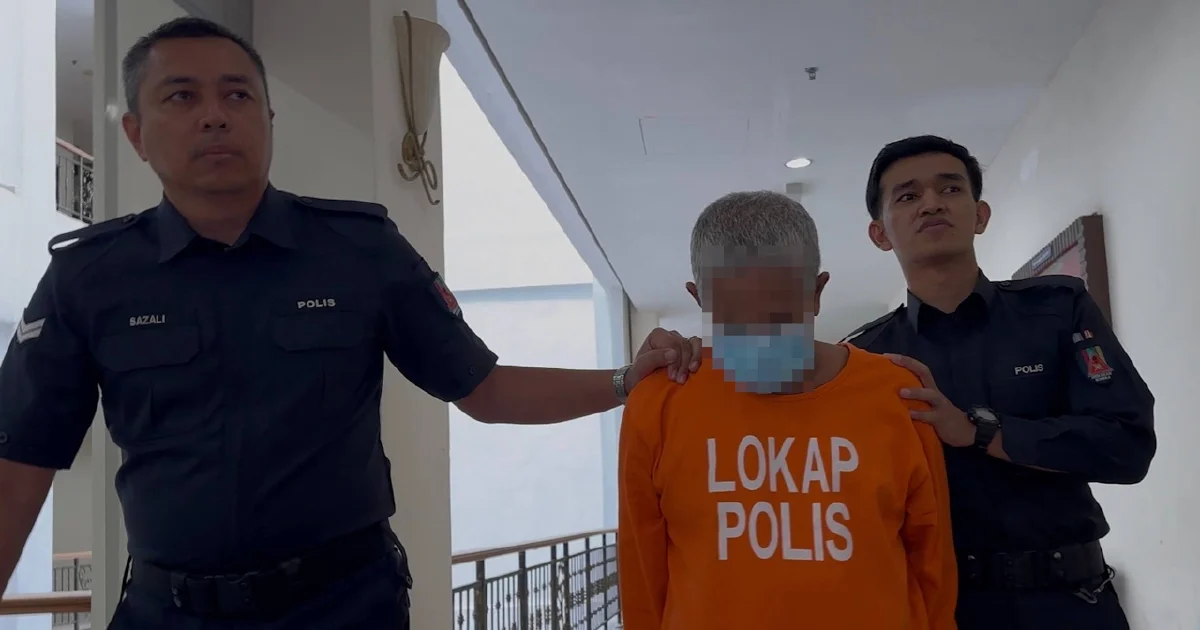
A Muar Sessions Court today handed down a substantial prison sentence to a 67-year-old pensioner who confessed to sexually abusing his two granddaughters. The defendant received a cumulative sentence of 33 years imprisonment along with 14 strokes of the cane after entering guilty pleas to five charges related to rape and sexual assault.
The court's decision reflects the gravity of offences involving the exploitation of young family members under circumstances of profound trust violation. Sexual abuse within family settings presents particular challenges for both the legal system and social services, as victims often face significant barriers to reporting given their emotional and financial dependence on perpetrators. The guilty plea, while sparing the victims from having to testify in detail, acknowledges the reality of the abuse inflicted.
Child sexual abuse remains a persistent concern across Malaysia. While official statistics from the Royal Malaysia Police indicate fluctuating numbers of reported cases annually, experts note that reported figures represent only a fraction of actual incidents. Many cases go unreported due to family shame, fear of social stigmatisation, and the complex dynamics that develop when abuse occurs within household settings. The willingness of authorities to pursue prosecutions with severity sends an important signal that such violations will not be tolerated.
The sentencing framework applied here demonstrates the judiciary's commitment to protecting vulnerable family members. The combination of extended incarceration with corporal punishment reflects Malaysia's legal approach to treating sexual crimes as serious offences demanding multiple forms of penalty. The 33-year term means the defendant will likely remain in custody for the remainder of his natural life given his current age.
Cases of intrafamilial abuse often emerge through reports made by school staff, healthcare providers, or family members who notice behavioural changes or physical indicators in the victims. In Malaysian society, the extended family household model, while providing cultural and economic benefits, can create enclosed environments where abusers operate with reduced external oversight. Breaking the silence surrounding such cases requires coordinated efforts among schools, medical professionals, social workers, and law enforcement.
The decision by the pensioner to plead guilty may have implications for how sentencing was determined. Malaysian criminal procedure permits judges to consider guilty pleas as a mitigating factor reflecting acceptance of responsibility, though this does not reduce the substantial penalties imposed in cases involving such vulnerable victims. The court's firm stance indicates that guilty pleas in sexual abuse matters involving minors will not result in disproportionately lenient outcomes.
For the granddaughters involved, court proceedings represent both accountability and trauma. While judicial outcomes cannot undo harm suffered, they provide formal recognition that abuse occurred and that the perpetrator faces serious consequences. Victim support services in Malaysia have expanded in recent years, though access remains uneven across urban and rural areas. Psychological rehabilitation following sexual trauma typically extends over years and requires specialised therapeutic intervention.
The Muar case occurs within a broader national context where awareness campaigns about child protection have intensified. Government agencies, NGOs, and community organisations increasingly emphasise the importance of teaching children to recognise inappropriate behaviour and encouraging them to report concerns to trusted adults. Educational institutions have implemented child safeguarding policies, though their effectiveness varies considerably.
Family breakdown and isolation can compound vulnerabilities that predatory individuals exploit. Pensioners living with adult children and grandchildren may occupy positions of authority and access that enable abuse while creating complex family dynamics that discourage victims from reporting. The Muar situation underscores how multigenerational households require explicit protective mechanisms and cultural shifts in how families address allegations of misconduct.
The long sentence will occupy prison resources in Peninsular Malaysia's correctional system, already managing substantial inmate populations. Older prisoners require specific healthcare provisions, creating additional institutional costs. Nevertheless, public protection and survivor justice remain paramount considerations in sentencing decisions.
This case amplifies calls from child rights advocates for stronger community education about recognising abuse signs and supporting disclosure. Schools, religious institutions, and community centres remain critical touchpoints for reaching families. The legal system's role is essential, but prevention requires sustained cultural change regarding how Malaysian society conceptualises family privacy, intergenerational authority, and children's bodily autonomy.