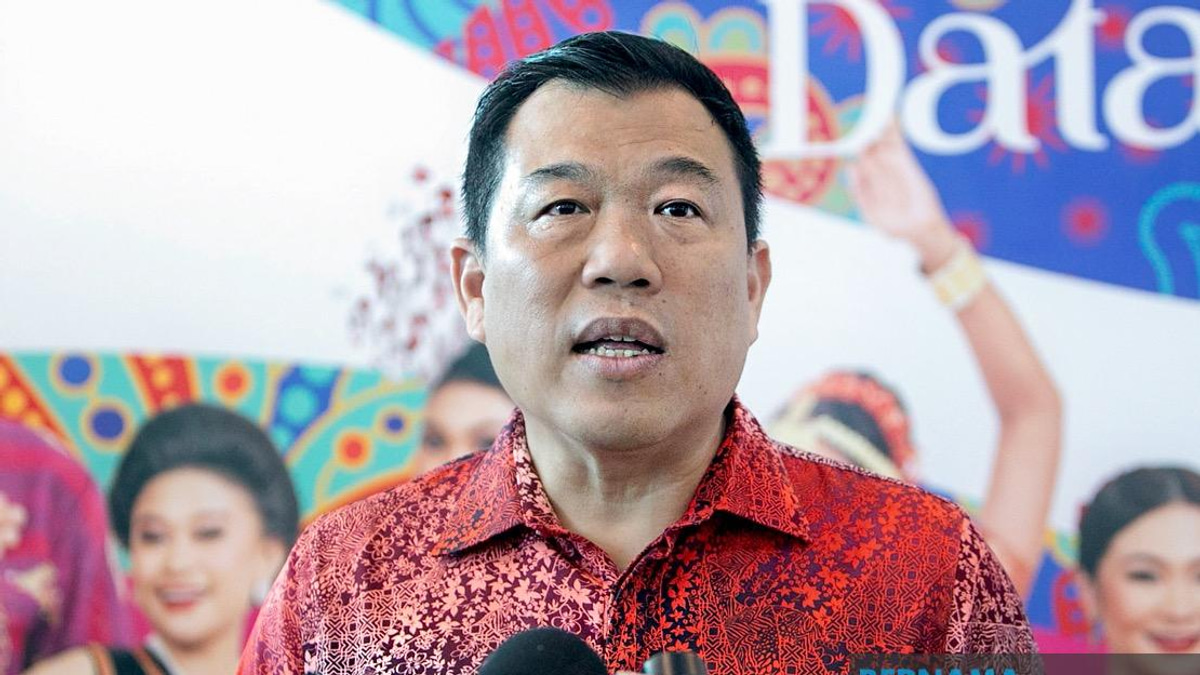
Ahmad Man, the assemblyman representing Kuala Sepetang in Perak, has signalled his intention to depart Bersatu but insists he will first await formal dismissal from the party before making his transition to Wawasan Rakyat. The lawmaker, currently under suspension from Bersatu, explained that his adherence to Malaysia's statutory framework governing party membership prevents him from simply switching allegiances without completing the procedural requirements.
The anti-party hopping law, formally known as the Undi18 law, was introduced to curb the widespread political defections that had plagued Malaysia's political landscape for years. The legislation stipulates specific conditions under which elected representatives may change parties, with expulsion being one of the accepted grounds that allows a politician to seek new party affiliation without incurring penalties. Ahmad Man's cautious approach reflects the legal constraints that have fundamentally reshaped how Malaysian politicians must navigate party transitions.
Ahmad Man's current predicament underscores the tension between his political ambitions and the institutional safeguards now in place across Malaysia's democratic system. By waiting for formal expulsion rather than attempting to depart voluntarily, he positions himself within the bounds of the law, though this strategy also means remaining in limbo while Bersatu determines his final status. His willingness to respect legal procedures contrasts with the dramatic defections that characterised earlier periods of Malaysian politics, when assembly members and parliamentarians shifted allegiances with minimal consequence.
The movement towards Wawasan Rakyat represents a broader reconfiguration of Perak's political landscape. The newer political entity has been attempting to consolidate support in the state, and Ahmad Man's eventual accession would add another voice to its parliamentary presence. However, the formal processes required by law mean that any such transition cannot be rushed or executed through back-channel negotiations alone. The legal framework effectively extends timelines for political realignment and introduces bureaucratic steps that were absent in Malaysia's earlier political era.
Bersatu's decision to suspend Ahmad Man prior to outright expulsion suggests internal party mechanisms are operating before final termination occurs. The suspension phase allows the party to maintain its authority while signalling to members and the public that disciplinary action is underway. For Ahmad Man, this intermediate step creates a holding pattern—he is neither fully committed to Bersatu nor free to join another party without legal consequence. This liminal political status has become increasingly common as the anti-party hopping framework has matured.
The implications for Perak's political dynamics are significant. The state, which has experienced considerable volatility in recent years with multiple changes of government and shifting coalitions, continues to see its assembly composition subject to ongoing recalibration. Each departure or arrival of an assemblyman potentially affects the balance of power in the state legislature, particularly given Perak's history of closely contested political control. Ahmad Man's eventual move to Wawasan Rakyat will be merely one component of these broader shifts.
Wawasan Rakyat, as a relatively newer political entity, faces its own challenges in establishing itself as a credible alternative within Malaysia's crowded political marketplace. The acquisition of established lawmakers like Ahmad Man provides the party with experienced representation and potentially signals growing acceptance among the electorate and established political figures. However, the legal obstacles surrounding party-switching mean that Wawasan Rakyat's growth strategy must account for these procedural delays and requirements.
Ahmad Man's transparent acknowledgment of his legal obligations reflects a maturation in how Malaysian politicians now operate under the constraints of the anti-party hopping law. Rather than attempting to circumvent these restrictions, he has chosen to comply with their terms, even though doing so prolongs his uncertain political position. This approach may eventually become the template adopted by other lawmakers contemplating party transitions, as the legal framework becomes more deeply embedded in Malaysian political practice.
The broader context involves Malaysia's ongoing efforts to strengthen democratic institutions and reduce the kind of political volatility that previously characterised the system. While the anti-party hopping law has successfully constrained the most egregious forms of political defection, it has simultaneously created delays and complications for those seeking to change affiliations for genuine political or ideological reasons. Ahmad Man's situation exemplifies this tension between institutional stability and individual political agency.
As Ahmad Man awaits his formal expulsion from Bersatu, his case serves as a reminder that Malaysia's political transformation remains incomplete and contested. The legal framework constraining party-switching has altered the mechanics of political transition, but questions persist about whether such restrictions ultimately strengthen or weaken democratic representation. For Perak specifically, Ahmad Man's eventual transition will represent another chapter in the state's perpetually shifting political narrative, though one now constrained by the procedural requirements that define contemporary Malaysian politics.