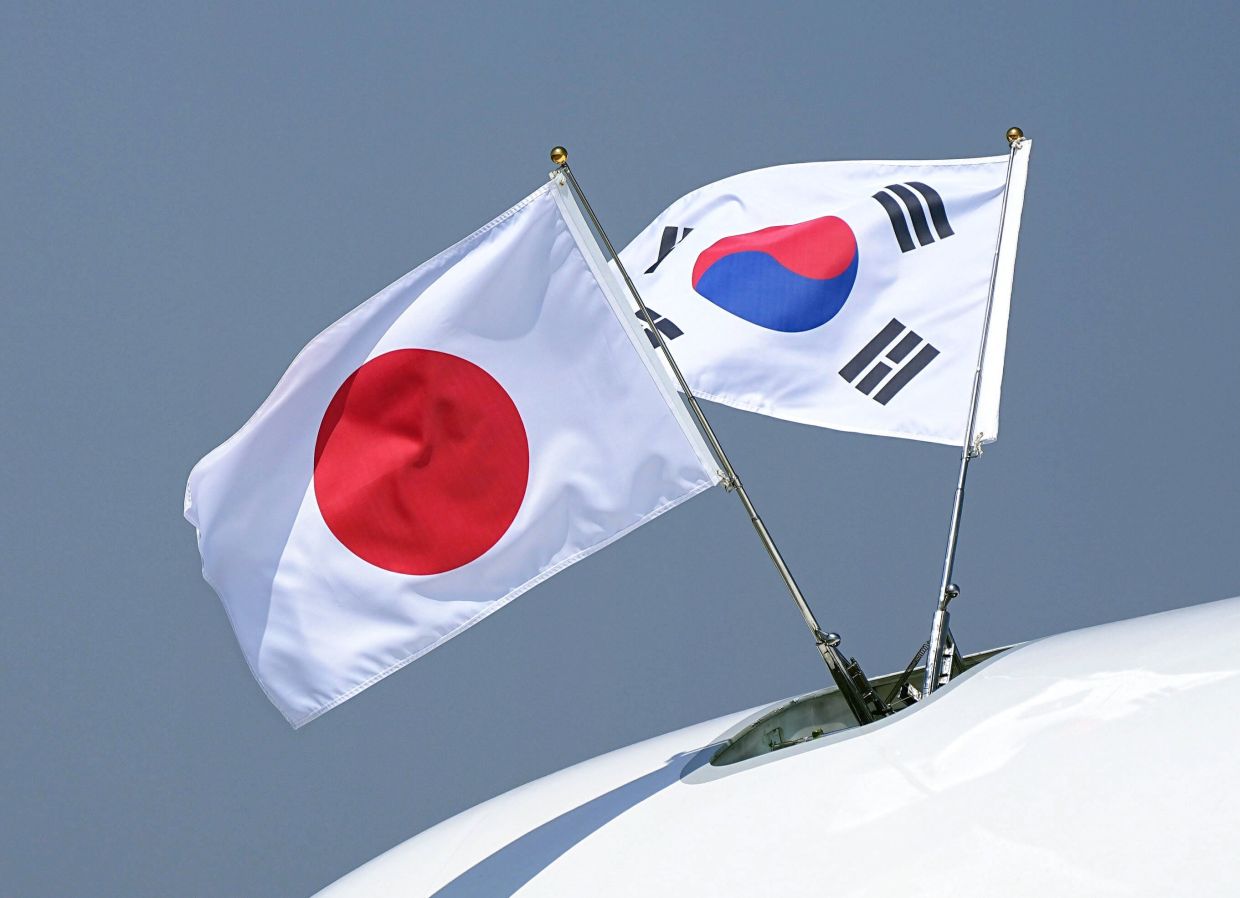
Strategic elites in Japan and South Korea currently reject nuclear weapons acquisition, according to a comprehensive survey by the Washington-based Center for Strategic and International Studies released this week. Yet researchers warn that this consensus masks a volatile situation where policy changes by either nation could trigger a cascade of weapons development across Northeast Asia, potentially destabilizing the region far more than any reduction in American military presence.
The CSIS survey, which concluded at the end of October, captured the views of sitting and former government officials, parliamentarians, academics, think tank specialists and business leaders from both nations. Three-quarters of South Korean strategic elites and approximately 80 per cent of Japanese strategic elites expressed opposition or reservations about their countries acquiring nuclear capabilities. These figures suggest a unified position among decision-makers in opposing weapons development, at least for now.
However, this elite consensus diverges sharply from public sentiment in South Korea. A 2024 poll by the Chey Institute for Advanced Studies, administered by consultancy Gallup, found that over 72 per cent of the South Korean public supports their nation possessing nuclear weapons. This 75-percentage-point gap between elite opinion and mass support represents a significant vulnerability in South Korea's anti-proliferation posture. Should political conditions shift or security threats intensify, leaders might struggle to maintain their current position against public pressure for weaponization.
The Japanese situation appears more stable. Existing surveys indicate roughly 80 per cent of the Japanese public opposes nuclear acquisition, creating alignment between elite and public views on this issue. Kristi Govella, a senior adviser and Japan chair at CSIS, noted that media coverage has sometimes exaggerated internal momentum toward Japanese nuclear armament, suggesting the actual appetite for weapons development remains limited across Japanese society.
Yet the CSIS analysis identifies a critical weakness in this restraint: its conditional nature. The survey revealed that if either nation abandons its current non-nuclear posture, support in the other country could surge rapidly. Such a cascade effect would fundamentally alter Northeast Asian security dynamics. The research team, led by Victor Cha, president of CSIS's geopolitics and foreign policy department and Korea chair, emphasized that this domino effect could exceed the destabilizing impact of reduced American military commitments to the region.
The motivations behind nuclear interest differ between the two nations. South Korean respondents favouring nuclear weapons primarily sought to address the North Korean threat, viewing weapons as essential for credible deterrence against Pyongyang. Japanese advocates, by contrast, worried most about Washington's long-term commitment to regional defence, suggesting they view nuclear weapons as insurance against American withdrawal. These distinct rationales mean that addressing proliferation pressures requires tailored approaches rather than blanket regional policies.
The United States has intensified engagement on these issues. Earlier this month, Washington held bilateral meetings in Seoul to advance nuclear cooperation consultations with South Korea, followed by extended deterrence discussions in Tokyo with Japan. These dialogues represent attempts to strengthen American security guarantees and reduce perceived gaps in deterrence that might otherwise push nations toward independent weapons programmes.
Meanwhile, strategic competition with China continues escalating. Brandon Williams, the United States Department of Energy's under secretary for nuclear security and administrator of the National Nuclear Security Administration, announced Thursday that America must accelerate nuclear weapons production to counter Chinese advances. His agency plans to invest $600 million in artificial intelligence this year to modernize weapons design and production, reducing the current 10- to 15-year development cycle for new systems. This buildup signals American determination to maintain strategic superiority, potentially reassuring allies while simultaneously intensifying global nuclear competition.
International experts are debating how Washington should configure its nuclear forces to best deter adversaries while reassuring allies. Some CSIS analysts argue the United States should reconsider its policy of equipping hypersonic weapons exclusively with conventional warheads, instead incorporating nuclear options to complicate adversaries' strategic calculations and strengthen deterrent credibility. Heather Williams, director of CSIS's nuclear issues project, contends that a more credible and diversified American nuclear arsenal would better reassure partners, noting that countries confident in security guarantees prove less likely to pursue independent weapons programmes.
This observation directly connects to the CSIS Japan-South Korea findings. If American extended deterrence appears insufficient or uncertain, elite reassurance collapses and public pressure for independent capabilities intensifies. The survey suggests that maintaining current non-proliferation outcomes requires continuous validation that American security commitments remain credible and permanent. Any perception of weakness or wavering commitment could rapidly unravel the careful calculations that currently keep Japan and South Korea non-nuclear.
China complicates this picture by refusing engagement on arms control agreements. Beijing has repeatedly rejected invitations to join bilateral Russian-American negotiations, insisting on its sovereign right to develop weapons as it sees fit. Simultaneously, China accuses Japan of pursuing militarization and nuclear weapons development, claims Tokyo firmly contests. These accusations and Beijing's obstinate refusal to participate in arms control dialogue raise the stakes for smaller nations in the region seeking security guarantees.
The CSIS research illustrates how nuclear proliferation in Northeast Asia represents not inevitable destiny but contingent outcome. Current elite positions against weapons development remain genuine, yet fragile. The delicate balance depends on three elements: sustained American extended deterrence credibility, management of specific security threats like North Korea, and prevention of destabilizing policy shifts by any major regional power. Should any element fail, the entire architecture collapses rapidly. Malaysia and other Southeast Asian nations watching these developments should recognize that Northeast Asian nuclear decisions will fundamentally reshape the regional security environment affecting all regional powers.