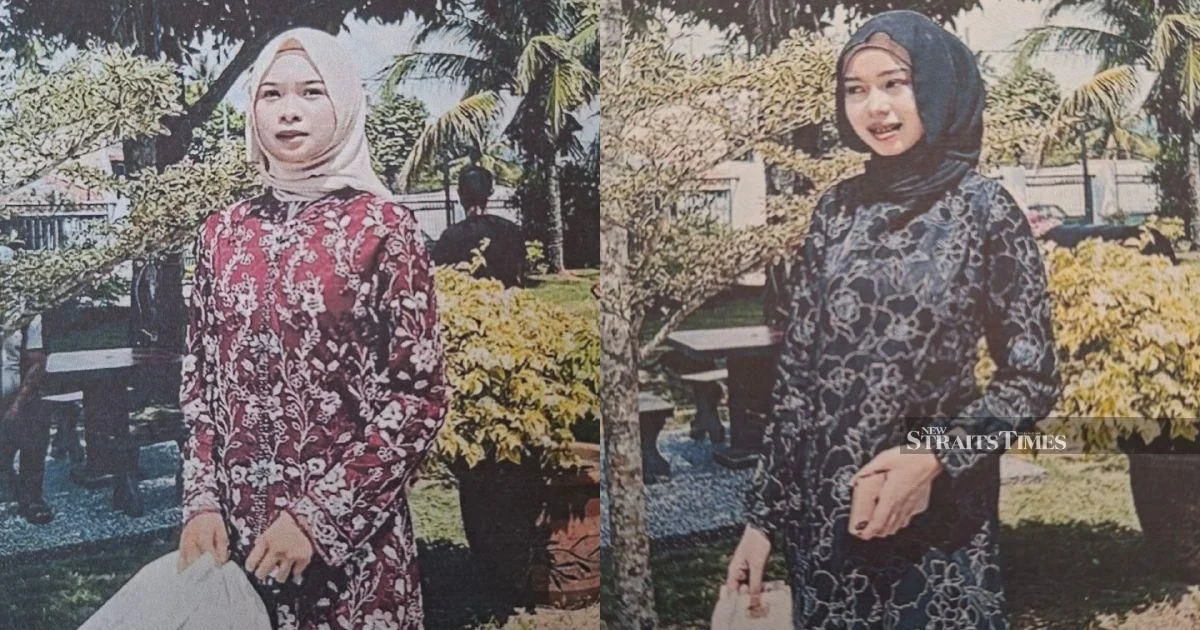
A two-day search across Kelantan culminated in the safe recovery of two teenage cousins who disappeared late Thursday evening, with their whereabouts confirmed in Machang by Sunday night. Authorities located the young relatives approximately 32 hours after worried family members initiated separate police reports on Friday morning, triggering a coordinated search operation that ultimately ended without reports of harm to the teenagers.
The disappearance had sparked concern among relatives in Kota Baru, who moved quickly to alert law enforcement once they realised the teenagers were missing. The decision to file police reports separately rather than as a single joint complaint reflects the complexity that sometimes emerges during family emergencies, where different family members may independently approach authorities without initial coordination. Such scenarios are not uncommon in missing persons cases, where the urgency of the situation often takes precedence over procedural formalities.
Police investigations into the circumstances surrounding the teenagers' disappearance have already resulted in the arrest of five individuals connected to the case. The nature of these arrests and the specific roles played by those detained remain matters of ongoing investigation. The relatively swift progression from missing persons report to multiple arrests suggests that investigators uncovered significant leads relatively quickly, though public information about the investigative process has been limited.
The recovery location in Machang, a district adjoining Kota Baru in the northern state of Kelantan, indicates that the teenagers had not travelled far from their starting point. This geographical proximity often simplifies search operations and demonstrates how local knowledge and community networks can prove invaluable in locating missing persons, particularly in smaller urban and semi-rural settings characteristic of much of Kelantan.
For Malaysian families navigating missing persons cases, this incident underscores the importance of immediate action and cooperation with law enforcement. The Royal Malaysia Police maintain dedicated protocols for handling missing persons reports, and the involvement of multiple family members in alerting authorities—despite the separate reports—appears to have contributed to the rapid mobilisation of search resources. Response times for missing persons cases can vary significantly depending on circumstances, but cases involving minors typically receive heightened priority.
The psychological impact on families during missing persons incidents extends well beyond the search period itself. The 32-hour window before the teenagers were located represents a period of considerable anxiety and uncertainty for relatives, reflecting the toll such situations exact on households across Malaysia. Community support and media attention can amplify search efforts, though balancing these factors with investigative needs remains an ongoing challenge for police services.
The arrest of five individuals connected to this case raises questions about the nature of the teenagers' disappearance. Whether the case involved issues such as custody disputes, voluntary departure, or involuntary detainment will likely emerge as investigations proceed and as formal charges are filed through the Malaysian legal system. The presumption of innocence remains central to these proceedings until evidence is evaluated in court.
Kelantan's position as Malaysia's north-eastern gateway has created a distinct security and law enforcement environment shaped by both urban and rural dynamics. The state's police force regularly handles missing persons cases that reflect broader patterns visible across the country, including incidents involving young people whose circumstances range from family conflicts to trafficking concerns. This particular case's relatively swift resolution provides some reassurance, though it also highlights the vulnerability of teenagers and the persistent need for preventative measures and community awareness.
The involvement of multiple family members in reporting and the coordination between law enforcement agencies across Kelantan demonstrate functional elements of Malaysia's police response system. However, the incident also prompts reflection on how families can optimise their interactions with authorities during emergencies. Clear communication, detailed information about the missing persons, and understanding police procedures can collectively improve outcomes in such situations.
Moving forward, the focus will likely shift toward the formal legal proceedings involving the five arrested individuals. The Kelantan police will prepare charges based on their investigations, and the courts will determine the appropriate outcomes based on evidence presented. The teenagers themselves may require support services depending on their experiences during the missing period, a consideration that should accompany any criminal justice response.
For the broader Malaysian public, cases like this serve as recurring reminders about personal safety, family communication, and the importance of knowing how to report emergencies effectively. As communities continue to grapple with challenges affecting young people, the coordination between families, law enforcement, and support services remains crucial for ensuring the swiftest possible resolutions and the best outcomes for vulnerable individuals.
%22%2F%3E%3C%2Fpattern%3E%3C%2Fdefs%3E%3Crect%20width%3D%22100%25%22%20height%3D%22100%25%22%20fill%3D%22url(%23ph4q3pkg)%22%2F%3E%3Crect%20width%3D%22100%25%22%20height%3D%22100%25%22%20fill%3D%22url(%23ph4q3pkp)%22%2F%3E%3Ctext%20x%3D%2250%25%22%20y%3D%2250%25%22%20text-anchor%3D%22middle%22%20dominant-baseline%3D%22central%22%20fill%3D%22rgba(255%2C255%2C255%2C0.95)%22%20font-family%3D%22Georgia%2C%20'Times%20New%20Roman'%2C%20serif%22%20font-weight%3D%22700%22%20font-size%3D%22272%22%20letter-spacing%3D%22-0.02em%22%3EMITRA%3C%2Ftext%3E%3C%2Fsvg%3E)
%22%2F%3E%3C%2Fpattern%3E%3C%2Fdefs%3E%3Crect%20width%3D%22100%25%22%20height%3D%22100%25%22%20fill%3D%22url(%23ph1sg7mg)%22%2F%3E%3Crect%20width%3D%22100%25%22%20height%3D%22100%25%22%20fill%3D%22url(%23ph1sg7mp)%22%2F%3E%3Ctext%20x%3D%2250%25%22%20y%3D%2250%25%22%20text-anchor%3D%22middle%22%20dominant-baseline%3D%22central%22%20fill%3D%22rgba(255%2C255%2C255%2C0.95)%22%20font-family%3D%22Georgia%2C%20'Times%20New%20Roman'%2C%20serif%22%20font-weight%3D%22700%22%20font-size%3D%22320%22%20letter-spacing%3D%22-0.02em%22%3ERim%3C%2Ftext%3E%3C%2Fsvg%3E)