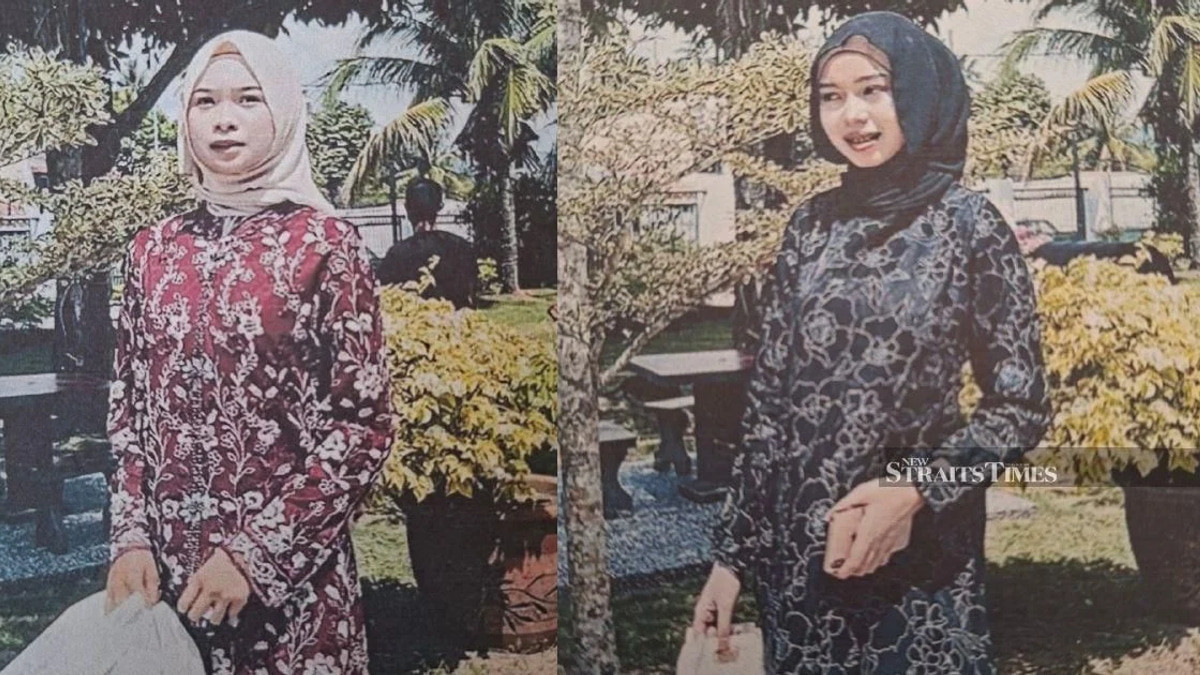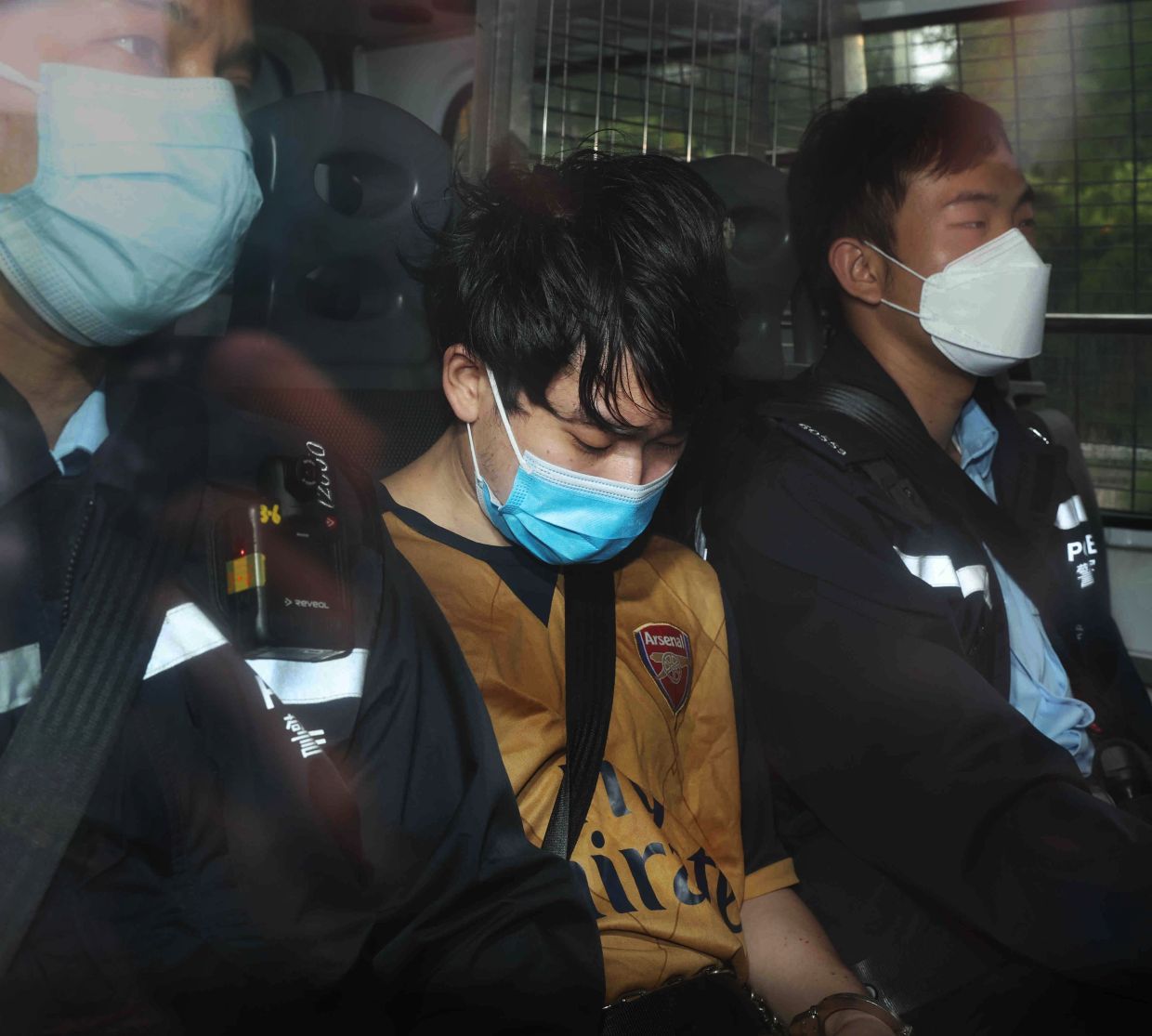
A 29-year-old unemployed man in Hong Kong is defending himself against murder charges by claiming he unintentionally caused his girlfriend's death during an unconventional and ultimately lethal attempt to assist with her weight loss. Ng Ka-sing faces trial at the High Court for the death of Yip Tsz-ching, 30, whose body was discovered wrapped in plastic and quilting on a wheeled board being transported through a village in April 2022, nearly four years after the alleged incident.
The case centres on events at a modest 700 square foot apartment in Galore Garden, Hung Shui Kiu, where the couple lived together. According to court proceedings, Yip died between April 28 and 29, 2022, following what prosecutors describe as a sustained and brutal assault. The incident unfolded over multiple periods spanning two days, beginning late on April 27 when Ng allegedly began striking his partner repeatedly with a rod. His stated motivation—to keep her awake through the night as a purported weight-loss strategy—forms the centrepiece of his controversial defence, which prosecutors have firmly rejected as unconvincing and implausible.
Ng had initially offered to plead guilty to the lesser charge of manslaughter, but the prosecution declined this offer, insisting on pursuing the more serious murder conviction. This decision reflects the Crown's assessment that the evidence demonstrates culpable intent or reckless indifference rather than accident or miscalculation. The trial is being heard before Justice Judianna Barnes and a seven-member jury, with proceedings expected to extend for 18 days.
According to testimony from Senior Public Prosecutor Audrey Parwani, Ng provided multiple conflicting explanations to police regarding the severe injuries sustained by his girlfriend, including extensive corrosive chemical burns covering 55 per cent of her body. Parwani told the jury that the prosecution does not believe Ng has disclosed the full truth regarding the circumstances of Yip's death. The prosecution's opening statement emphasised inconsistencies and implausibilities in the defendant's account, signalling a strong challenge to his version of events.
In his police interview, Ng admitted to striking his girlfriend repeatedly with a rod, claiming this was intended to prevent her from sleeping as part of his misguided weight-loss assistance plan. He allegedly maintained this activity intermittently across two separate periods: from 10 p.m. on April 27 until 1:30 a.m. on April 28, and again from 3 a.m. until 5:30 a.m. on April 28. During questioning, Ng stated he continued the assaults because his girlfriend did not explicitly tell him to stop. A sworn sister of Ng's, whose family shared the apartment, allegedly encouraged him to "continue for a bit longer" when he questioned whether he should halt the beating.
Ng's account becomes increasingly difficult to reconcile with medical evidence when considering the chemical burns. He claimed that Yip poured drain cleaner over herself, while he splashed the corrosive liquid on the floor to "stimulate" her feet. He further alleged that his girlfriend fell against a wall seven to eight times after slipping on the wet floor. Around 5 a.m. on April 28, Yip reportedly told Ng she was experiencing severe pain and feared she would not survive. She subsequently fell into a coma, with her last recorded words spoken at 7:21 a.m. that morning.
The case came to light when early morning joggers spotted a human leg protruding from a rolled quilt loaded onto a wheeled board at approximately 6 a.m. on April 29. Witness Lau Kwok-yan, who reported the discovery to police, testified that Ng remained at the scene and "did nothing" whilst waiting for officers to arrive, displaying no visible signs of panic or distress. Street cleaner Wong Ah-sum, who questioned Ng about the bundle, recalled that the defendant readily identified it as a "corpse" and stated his intention to transport it to a police station. When arrested at 6:36 a.m., Ng immediately made an incriminating statement: "This was my girlfriend. I hit her to death with a rod by mistake."
Forensic examination of the body revealed careful preparation for disposal. Evidence specialist Lo Man-hung documented that Yip's corpse was secured to an overturned wooden chair using black rubbish bags and was covered with a quilt. Her head had been wrapped extensively with cling film and adhesive tape, suggesting deliberate efforts to conceal her identity and prevent decomposition odours. Government pathologist Dr Foo Ka-chung determined that Yip had been deceased for between 12 and 24 hours at the time of discovery.
Dr Foo's autopsy findings present significant obstacles to Ng's defence narrative. The pathologist identified multiple bruises, abrasions, and lacerations across Yip's head and other body areas, injuries consistent with blunt force trauma including punching and kicking by another person. The extensive corrosive chemical burns covering her chest, abdomen, and limbs contributed to her death, but Dr Foo concluded that the cause of death was ultimately suffocation following the head injuries. This medical evidence suggests a sustained pattern of violence that extends beyond a single accident or momentary loss of control.
The case highlights broader concerns about domestic violence and the desperation that can emerge within intimate relationships when one partner exerts control over another under the guise of assistance or care. The weight-loss justification, if accepted, would represent a disturbing normalisation of abuse under the pretext of health concern—a rationale that resonates troublingly with coercive control patterns documented in intimate partner homicides across Asia and beyond. For Malaysian readers, the case underscores the importance of recognising such warning signs and the critical need for intervention mechanisms to protect vulnerable individuals in relationships characterised by manipulation and physical aggression masked as concern.
%22%2F%3E%3C%2Fpattern%3E%3C%2Fdefs%3E%3Crect%20width%3D%22100%25%22%20height%3D%22100%25%22%20fill%3D%22url(%23ph4q3pkg)%22%2F%3E%3Crect%20width%3D%22100%25%22%20height%3D%22100%25%22%20fill%3D%22url(%23ph4q3pkp)%22%2F%3E%3Ctext%20x%3D%2250%25%22%20y%3D%2250%25%22%20text-anchor%3D%22middle%22%20dominant-baseline%3D%22central%22%20fill%3D%22rgba(255%2C255%2C255%2C0.95)%22%20font-family%3D%22Georgia%2C%20'Times%20New%20Roman'%2C%20serif%22%20font-weight%3D%22700%22%20font-size%3D%22272%22%20letter-spacing%3D%22-0.02em%22%3EMITRA%3C%2Ftext%3E%3C%2Fsvg%3E)
%22%2F%3E%3C%2Fpattern%3E%3C%2Fdefs%3E%3Crect%20width%3D%22100%25%22%20height%3D%22100%25%22%20fill%3D%22url(%23ph1sg7mg)%22%2F%3E%3Crect%20width%3D%22100%25%22%20height%3D%22100%25%22%20fill%3D%22url(%23ph1sg7mp)%22%2F%3E%3Ctext%20x%3D%2250%25%22%20y%3D%2250%25%22%20text-anchor%3D%22middle%22%20dominant-baseline%3D%22central%22%20fill%3D%22rgba(255%2C255%2C255%2C0.95)%22%20font-family%3D%22Georgia%2C%20'Times%20New%20Roman'%2C%20serif%22%20font-weight%3D%22700%22%20font-size%3D%22320%22%20letter-spacing%3D%22-0.02em%22%3ERim%3C%2Ftext%3E%3C%2Fsvg%3E)