%22%2F%3E%3C%2Fpattern%3E%3C%2Fdefs%3E%3Crect%20width%3D%22100%25%22%20height%3D%22100%25%22%20fill%3D%22url(%23ph1sg7mg)%22%2F%3E%3Crect%20width%3D%22100%25%22%20height%3D%22100%25%22%20fill%3D%22url(%23ph1sg7mp)%22%2F%3E%3Ctext%20x%3D%2250%25%22%20y%3D%2250%25%22%20text-anchor%3D%22middle%22%20dominant-baseline%3D%22central%22%20fill%3D%22rgba(255%2C255%2C255%2C0.95)%22%20font-family%3D%22Georgia%2C%20'Times%20New%20Roman'%2C%20serif%22%20font-weight%3D%22700%22%20font-size%3D%22320%22%20letter-spacing%3D%22-0.02em%22%3ERim%3C%2Ftext%3E%3C%2Fsvg%3E)
The Rim state constituency in Melaka is positioning itself as a model for rural economic revitalisation, blending heritage tourism with grassroots entrepreneurship to create sustainable livelihoods for its residents. Speaking at the launch of the Wakil Rakyat Untuk Rakyat programme at parliamentary constituency level in Jasin, Datuk Khaidirah Abu Zahar outlined a comprehensive three-pronged development strategy focused on housing improvements, educational access, and economic diversification that aims to meaningfully enhance living standards beyond traditional urban centres.
Central to this strategy is the recognition that Malaysia's rural areas possess significant untapped economic potential that remains largely underdeveloped. The Rim assemblyman has positioned local economic development not merely as a poverty alleviation measure, but as a fundamental revaluation of rural living as a distinct economic and social asset. This philosophical shift acknowledges that rural communities offer unique advantages including authentic cultural experiences, established agricultural traditions, and environmental assets that increasingly appeal to both domestic and international visitors seeking alternatives to mass tourism.
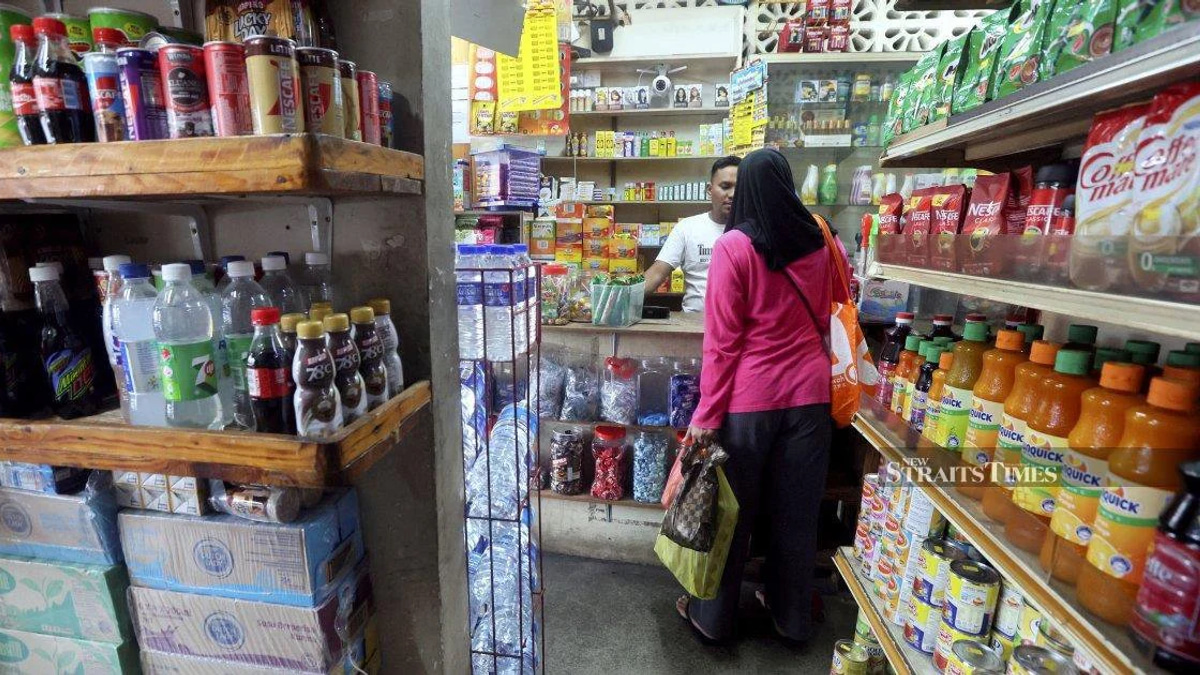
The constituency's flagship initiative, the Jamboree Mountain Bike Challenge, exemplifies this integrated approach. Now completing its third consecutive year, the event has established itself as a significant regional draw, attracting over 1,000 participants from Singapore, Indonesia, and Thailand alongside Malaysian cyclists. Beyond the sporting competition itself, the event functions as a catalyst for broader economic participation, creating direct revenue streams for accommodation providers operating homestays, food and beverage establishments, and independent retailers selling locally produced goods. This multiplier effect demonstrates how properly structured tourism can generate income throughout an entire community rather than concentrating wealth among large operators.
Partnering with higher education institutions represents another strategic dimension of Rim's economic development framework. The Baktisiswa programme specifically aims to introduce students from outside Melaka to the constituency's attractions and its portfolio of locally manufactured products. By positioning university students as initial consumers and potential future ambassadors, the programme builds awareness and market linkages that can translate into sustained demand. Educational partnerships also facilitate knowledge transfer and innovation, allowing young people to apply academic expertise to local business challenges.
Rim's economic foundation rests on several established and emerging sectors that collectively offer considerable growth prospects. The constituency maintains traditional strengths in batik production, a craft with deep cultural significance and premium market positioning. Agricultural production centred on chilli-based products, corn, and pineapple cultivation provides both subsistence security and export potential. Traditional food businesses preserve culinary heritage while serving growing demand for authentic regional cuisine. The homestay sector, still in development stages, taps into the expanding experiential tourism market where visitors increasingly value immersive, locally-operated accommodation over standardised hotel chains.
The involvement of institutional support bodies such as the Malaysian Handicraft Development Corporation reflects recognition that rural entrepreneurs, while resourceful, often operate in isolation without access to business development services readily available in urban contexts. Many small producers across Rim's industries work independently, lacking systematic approaches to quality assurance, branding, or market development. By facilitating partnerships between government agencies and ground-level entrepreneurs, the assemblyman's office aims to remove structural barriers that prevent capable producers from scaling operations and accessing broader markets.
Khaidirah's emphasis on attracting more government agencies to engage directly with rural communities addresses a genuine gap in service delivery. Rural entrepreneurs frequently struggle to navigate bureaucratic processes, access technical assistance, or obtain information about available support programmes. This disconnection results in talented producers remaining stuck at subsistence levels despite market potential for their products. Ground-level engagement by agencies can identify specific bottlenecks—whether related to packaging, certification, logistics, or marketing—and facilitate targeted interventions that meaningfully expand capacity without displacing local ownership and control.
The comprehensive nature of Rim's development vision reflects understanding that economic growth divorced from housing security and educational opportunity remains unstable and inequitable. By simultaneously addressing infrastructure, human capital development, and enterprise creation, the constituency attempts to build sustainable foundations for prosperity. Housing improvements enhance dignity and asset accumulation for rural residents. Education provides families with expanded opportunity horizons and equips younger generations with skills applicable to both traditional industries and emerging sectors.
This integrated approach carries implications extending beyond Rim itself. As Malaysia continues grappling with regional inequality and rural outmigration, the Rim model demonstrates that rural decline is not inevitable. Rather, intentional strategies combining heritage preservation, institutional support, and tourism development can arrest decline and create conditions for genuine prosperity. The success or challenges encountered by Rim will likely influence policy discussions across Southeast Asia regarding rural development, where similar challenges of demographic change, economic concentration, and cultural transformation affect neighbouring nations including Indonesia, Thailand, and the Philippines.
%22%2F%3E%3C%2Fpattern%3E%3C%2Fdefs%3E%3Crect%20width%3D%22100%25%22%20height%3D%22100%25%22%20fill%3D%22url(%23ph56gevg)%22%2F%3E%3Crect%20width%3D%22100%25%22%20height%3D%22100%25%22%20fill%3D%22url(%23ph56gevp)%22%2F%3E%3Ctext%20x%3D%2250%25%22%20y%3D%2250%25%22%20text-anchor%3D%22middle%22%20dominant-baseline%3D%22central%22%20fill%3D%22rgba(255%2C255%2C255%2C0.95)%22%20font-family%3D%22Georgia%2C%20'Times%20New%20Roman'%2C%20serif%22%20font-weight%3D%22700%22%20font-size%3D%22320%22%20letter-spacing%3D%22-0.02em%22%3ERM2%3C%2Ftext%3E%3C%2Fsvg%3E)