%22%2F%3E%3C%2Fpattern%3E%3C%2Fdefs%3E%3Crect%20width%3D%22100%25%22%20height%3D%22100%25%22%20fill%3D%22url(%23ph56gevg)%22%2F%3E%3Crect%20width%3D%22100%25%22%20height%3D%22100%25%22%20fill%3D%22url(%23ph56gevp)%22%2F%3E%3Ctext%20x%3D%2250%25%22%20y%3D%2250%25%22%20text-anchor%3D%22middle%22%20dominant-baseline%3D%22central%22%20fill%3D%22rgba(255%2C255%2C255%2C0.95)%22%20font-family%3D%22Georgia%2C%20'Times%20New%20Roman'%2C%20serif%22%20font-weight%3D%22700%22%20font-size%3D%22320%22%20letter-spacing%3D%22-0.02em%22%3ERM2%3C%2Ftext%3E%3C%2Fsvg%3E)
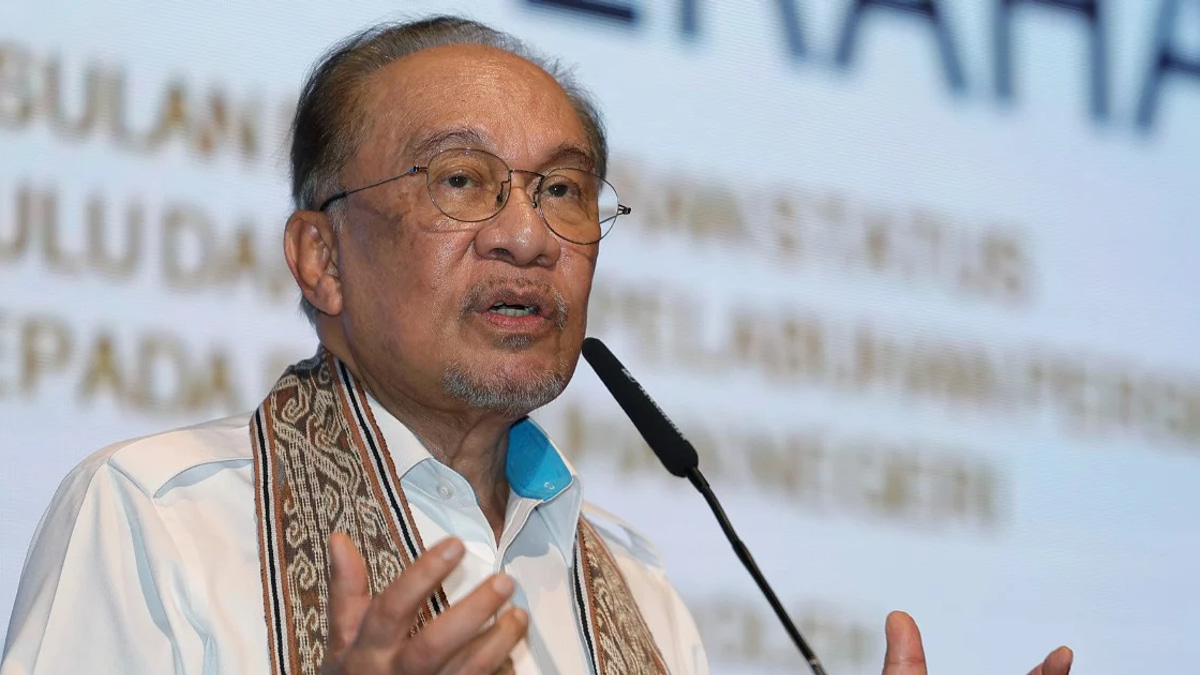
The Malaysian government has signalled a significant shift in its fuel subsidy strategy with an announcement to lower the subsidised diesel price to RM2.10 per litre beginning July 2026. Prime Minister Datuk Seri Anwar Ibrahim disclosed the decision, which aligns with the existing BUDI MADANI RON95 programme framework and will employ MyKad verification for eligibility screening. The measure represents a tangible response to persistent concerns about fuel costs among operators and workers whose livelihoods depend heavily on diesel consumption.
The price reduction carries particular weight for Malaysia's informal and small-business economy. Night market traders, delivery operators, and agricultural workers have repeatedly voiced concerns about fuel expenses eroding their already-thin profit margins. The announcement has generated qualified optimism among these constituencies, who see the subsidy as recognition of their economic vulnerability. Many operating in Malaysia's hawker and market sectors spend substantial portions of their daily earnings on transport and logistics, making even modest price reductions meaningful to their bottom line.
Shah Alam-based trader Mohd Faizal Ahmad, 43, who operates in the night market sector, expressed cautious confidence in the initiative. He particularly welcomed the government's restriction of the subsidy to Malaysian citizens, viewing this as ensuring that public resources reach their intended beneficiaries rather than being dissipated through leakage or illicit trade. His primary concern centred on the practical implementation mechanics—specifically whether the MyKad verification system would impose administrative friction that might discourage eligible users or create inconvenient barriers at fuel stations across the country.
The construction and maintenance sector stands to benefit substantially from the measure. Small contractors like Tan Chee Keong, 52, from Johor Bahru, who utilise four-wheel drive vehicles for site work and materials transportation, view the policy as addressing a structural cost imbalance. For independent contractors operating with razor-thin margins on competitive tenders, fuel expenditure can determine project viability. The subsidy represents recognition that maintenance work, repair services, and construction logistics form essential infrastructure supporting Malaysia's broader economic activity, yet operators in these sectors often lack the scale to absorb fuel cost volatility.
Agriculture and food distribution networks similarly face significant implications. R. Mageswaran, a 38-year-old vegetable farm operator from Sungai Siput, Perak, highlighted how diesel prices directly cascade through supply chains serving Malaysia's food services sector. Daily vegetable deliveries to markets and eateries require consistent logistics costs, and elevated fuel prices compress margins between farm gate and consumer. Lower diesel pricing theoretically enables more efficient distribution while potentially improving food affordability—an outcome with indirect benefits extending beyond farming communities to Malaysian households managing grocery budgets.
A critical dimension of this policy reform involves geographical equity. Currently, Sabah and Sarawak benefit from subsidised diesel at RM2.15 per litre, substantially below the unsubsidised Peninsular Malaysia retail price of RM4.37 per litre. The Ministry of Finance statement clarified that the new RM2.10 pricing structure would extend nationwide uniformity to Sabah, Sarawak, and Labuan. This regional harmonisation addresses a longstanding disparity and signals commitment to consistent economic support across Malaysia's geographically dispersed populations. The previous two-tier system reflected colonial-era freight cost calculations rather than contemporary economic realities.
The subsidy mechanism's design warrants careful examination. By anchoring eligibility to MyKad verification, the government attempts to balance universal access with fiscal sustainability. Unlike blunt blanket subsidies that burden public finances while potentially benefiting high-volume commercial consumers disproportionately, means-tested or citizenship-based approaches theoretically concentrate benefits among intended recipients. However, petrol station operators will bear administrative responsibility for verification processes, raising questions about staff training, compliance consistency, and whether verification requirements might deter eligible users unfamiliar with digital systems.
Implementation details remain forthcoming. Second Finance Minister Datuk Seri Amir Hamzah Azizan was scheduled to clarify operational specifics following the announcement. These details will prove crucial for assessing the policy's real-world effectiveness. Critical unknowns include whether the MyKad system will involve point-of-sale scanning, phone-based verification, or alternative mechanisms; whether daily purchase limits apply; what compliance and enforcement protocols station operators must follow; and how the government will manage transition logistics during the implementation phase.
The economic implications extend beyond immediate pump prices. Subsidy programmes generate fiscal costs that governments must balance against other expenditure priorities, including healthcare, education, and infrastructure. Malaysia's fiscal consolidation efforts have previously necessitated difficult choices regarding subsidy maintenance. The timing of this announcement—roughly six months before implementation—suggests the government has modelled fiscal impacts and determined the measure aligns with broader budgetary frameworks and development priorities.
For Malaysian businesses operating in increasingly competitive Southeast Asian markets, fuel cost competitiveness matters strategically. Regional competitors in Thailand, Indonesia, and Vietnam operate under different fuel subsidy regimes, affecting their relative cost positioning. A lower diesel price potentially strengthens Malaysia's logistics and distribution sectors' competitiveness, particularly for businesses serving regional supply chains. Food producers, courier services, and construction firms may improve their regional pricing relative to neighbours, though such advantages depend on subsidy sustainability and whether competitors adopt similar measures.
Business confidence in the measure's durability remains conditional. Previous subsidy changes have generated uncertainty among operators who plan investments and pricing strategies based on fuel cost assumptions. The government's explicit commitment to implement the reform from July 2026, coupled with the BUDI MADANI framework's demonstrated longevity, provides somewhat stronger assurance than ad-hoc announcements. Nevertheless, businesses will monitor fiscal parameters and geopolitical energy markets closely. International crude oil price movements, exchange rate fluctuations, and global demand dynamics ultimately constrain governments' capacity to maintain subsidies independent of underlying commodity costs.
The broader policy philosophy underlying this announcement reflects deliberate choices about public resource allocation. Subsidies represent a form of income support and economic stimulus targeted at citizens whose livelihoods depend directly on fuel consumption. Rather than universal programmes with indiscriminate benefits, the government has opted for citizenship-restricted subsidy linked to identity verification. This approach implicitly recognises that small-scale traders, contractors, and agricultural operators constitute priority constituencies deserving targeted support.
Ultimately, the true measure of this policy's success will emerge through implementation experience rather than announcement sentiment. Market traders like Mohd Faizal Ahmad, contractors like Tan Chee Keong, and farmers like R. Mageswaran will assess the measure by practical factors: whether verification processes prove convenient or cumbersome, whether the RM2.10 price remains stable, and whether genuine competitors operating under identical cost structures feel enabled to invest and expand operations. These ground-level realities will determine whether the subsidised diesel programme achieves its ostensible objectives of supporting Malaysian workers and businesses while maintaining fiscal responsibility.
%22%2F%3E%3C%2Fpattern%3E%3C%2Fdefs%3E%3Crect%20width%3D%22100%25%22%20height%3D%22100%25%22%20fill%3D%22url(%23phet3tg)%22%2F%3E%3Crect%20width%3D%22100%25%22%20height%3D%22100%25%22%20fill%3D%22url(%23phet3tp)%22%2F%3E%3Ctext%20x%3D%2250%25%22%20y%3D%2250%25%22%20text-anchor%3D%22middle%22%20dominant-baseline%3D%22central%22%20fill%3D%22rgba(255%2C255%2C255%2C0.95)%22%20font-family%3D%22Georgia%2C%20'Times%20New%20Roman'%2C%20serif%22%20font-weight%3D%22700%22%20font-size%3D%22272%22%20letter-spacing%3D%22-0.02em%22%3EAnwar%3C%2Ftext%3E%3C%2Fsvg%3E)