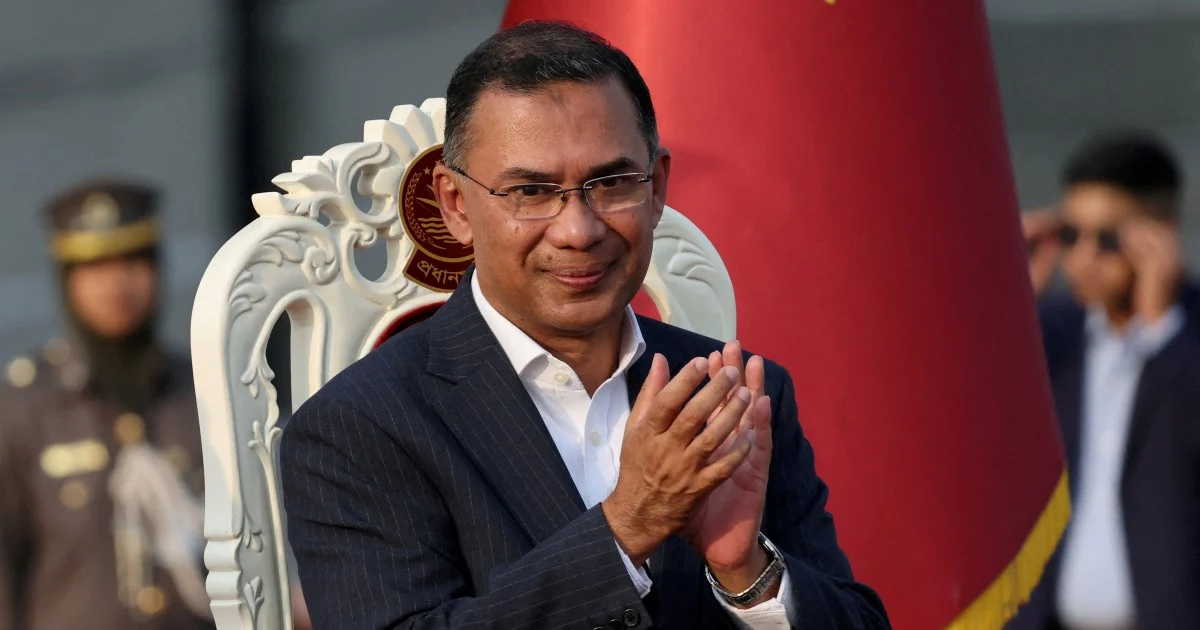
Bangladesh Prime Minister Tarique Rahman touched down at Malaysia's Kuala Lumpur International Airport in Sepang today, marking the beginning of a significant diplomatic engagement designed to reinvigorate partnership between the two South and Southeast Asian neighbours. The visit underscores both nations' commitment to moving beyond traditional ties and charting a more ambitious course for economic and strategic collaboration during a period of considerable geopolitical realignment across the broader Asian region.
The timing of Rahman's journey holds particular weight given the evolving political landscape in South Asia and the increasing emphasis by regional governments on diversifying partnerships. Bangladesh, as one of Asia's largest economies by population and a growing industrial hub, represents an important strategic ally for Malaysia's regional ambitions. Conversely, Malaysia's established position within ASEAN and its sophisticated financial and manufacturing sectors offer valuable collaboration opportunities for Dhaka as it pursues economic transformation and skill development across its workforce.
Official statements from both governments have emphasised the breadth of potential cooperation frameworks being examined during the visit. These discussions will likely encompass trade expansion, particularly in sectors where complementarities exist between the two economies such as textiles, pharmaceuticals, and information technology services. Bangladesh's substantial diaspora in Malaysia, numbering in the hundreds of thousands, creates natural people-to-people connections that both governments view as a foundation for deeper institutional engagement and bilateral understanding.
The visit arrives at a moment when ASEAN-centric diplomacy increasingly intersects with South Asian regional interests. While Bangladesh remains primarily anchored within South Asian institutions, its geographic proximity to Southeast Asia and economic interdependencies have prompted greater engagement with ASEAN nations. This Malaysian visit reflects a broader strategic calculation by Bangladesh to maintain balanced relationships across both regions, ensuring that the nation benefits from multiple networks of cooperation rather than remaining exclusively oriented toward traditional South Asian partners.
Economic considerations form a critical dimension of the diplomatic agenda. Bangladesh's manufacturing sector, particularly its enormous readymade garment industry, could benefit from Malaysian expertise in industrial development, supply chain optimisation, and quality management systems. Simultaneously, Malaysian companies in financial services, telecommunications, and renewable energy may find promising market opportunities in Bangladesh's growing consumer base and infrastructure development initiatives.
Educational and human resource development constitute another focal point for bilateral cooperation discussions. Malaysian universities and technical institutions have attracted significant numbers of Bangladeshi students, facilitating knowledge transfer and building networks of professionals with familiarity across both countries. Formalising such exchanges through government agreements could expand these flows, creating long-term advantages for both societies through enhanced capacity building and professional mobility.
Security and maritime concerns also feature within the broader diplomatic picture, though typically less prominently in public discourse. The Bay of Bengal region faces various challenges related to maritime boundaries, fishing rights, and piracy concerns. Closer maritime cooperation between Bangladesh and Malaysia, perhaps through coordinated naval exercises or information sharing mechanisms, could contribute to regional stability and mutual security interests in waters increasingly vital to both nations' economic lifelines.
Cultural diplomacy and soft power initiatives represent an underappreciated dimension of this engagement. Both nations possess rich Islamic traditions alongside pluralistic societies with significant religious diversity, offering potential for deeper cultural exchange that extends beyond government-to-government channels. Tourism promotion, arts and culture festivals, and academic partnerships focusing on comparative religion and comparative law could enrich mutual understanding among broader populations.
The Prime Minister's presence in Malaysia during this visit likely includes meetings with Malaysian government officials at the highest levels, potentially including discussions on ASEAN-South Asia cooperation frameworks and how Bangladesh might further strengthen its engagement with Southeast Asian institutions. Such diplomatic positioning allows Bangladesh to punch above its weight regionally while ensuring that Malaysian perspectives on regional issues receive careful consideration in Dhaka's policy formulation.
Looking forward, this visit establishes baseline expectations for intensified bilateral engagement over coming months and years. Follow-up mechanisms, whether through joint commissions or working groups focusing on specific sectors, will likely be formalised to ensure that diplomatic momentum translates into tangible outcomes. The success of this initiative will be measured not merely by joint statements issued upon its conclusion, but by concrete developments in trade flows, student exchanges, and collaborative projects that demonstrably benefit citizens of both nations.
For Malaysia's Indian Ocean strategy and its broader regional positioning, deeper ties with Bangladesh serve useful purposes beyond economic gains. A more strategically aligned Bangladesh enhances Malaysia's influence within regional forums and provides additional weight to Malaysian perspectives on matters affecting the broader Indo-Pacific region. For Bangladesh, the relationship offers access to ASEAN's institutional networks and provides leverage in managing relationships with larger neighbours, contributing to the nation's long-term strategic autonomy.