The Malaysian United Democratic Alliance has selected Rashifa Aljunied, the 26-year-old head of the Puteri Wangsa service centre, to represent the party in the Puteri Wangsa state seat during Johor's upcoming election. The decision was announced by MUDA president Amira Aisya Abdul Aziz during a press conference in Johor Bahru, marking a strategic succession within the party's state-level representation.
Amira Aisya explained that the nomination of Rashifa came following extensive deliberations with the party's senior leadership and broader party machinery, suggesting a carefully considered internal process rather than a rushed selection. The choice to elevate a young, emerging figure reflects MUDA's ongoing efforts to build a broader leadership bench beyond its founding cadre and appeal to younger voters who have shown increasing engagement in recent electoral cycles.
Amira Aisya's decision not to contest the state seat represents a significant shift in her political trajectory, as she is pivoting toward federal politics instead. The incumbent made clear that her focus will now be on securing a parliamentary seat in the 16th General Election, a move that positions her within the national political framework rather than remaining concentrated on state-level representation. This transition underscores how Malaysian political dynamics increasingly blur the lines between state and federal aspirations, with candidates strategically timing their moves to maximise influence across multiple electoral levels.
Puteri Wangsa holds considerable symbolic importance for MUDA's recent political journey. During the 2022 Johor state election, the constituency emerged as the party's sole victory in the state, a result that gave the nascent political force a crucial foothold in one of Malaysia's most competitive electoral battlegrounds. Amira Aisya's previous triumph in the seat was decisive, securing a commanding majority of 7,114 votes despite facing competition from six candidates, indicating substantial local support and effective ground organisation.
However, defending a single seat in a multi-cornered contest presents inherent vulnerabilities. The 2022 victory, while impressive in margin, came in an environment where vote-splitting among opposition and independent candidates may have worked in MUDA's favour. For Rashifa to retain the seat, she will need to consolidate the constituency's voter base while establishing her own identity and connection with residents, a challenge that tests whether the 2022 result reflected genuine MUDA consolidation or was partly circumstantial.
The timing of MUDA's announcement suggests a coordinated rollout of its Johor candidates across multiple phases. Party officials indicated that additional candidate announcements would follow in Kuala Lumpur on subsequent days, hinting at a deliberate campaign strategy that spaces out endorsements to maintain media attention and build narrative momentum. This phased approach contrasts with the concentrated announcement strategies of larger, more established parties and reflects MUDA's positioning as a more agile, media-savvy political force.
From a broader Southeast Asian perspective, MUDA's candidate selection demonstrates how younger political movements across the region are navigating the tension between youth appeal and governance credibility. By nominating a 26-year-old with established service centre responsibilities, the party balances its youthful brand identity with evidence of administrative experience. This approach mirrors strategies adopted by progressive parties elsewhere in Southeast Asia seeking to demonstrate both generational change and institutional competence.
The Johor state election itself carries significance beyond the state boundaries. Johor, as Malaysia's second-most populous state and a traditional battleground, functions as a political bellwether that shapes perceptions of momentum heading into potential federal elections. MUDA's performance here, particularly whether it can retain Puteri Wangsa or expand its footprint, will carry implications for the party's trajectory nationally and for the broader opposition coalition's viability in peninsular Malaysia.
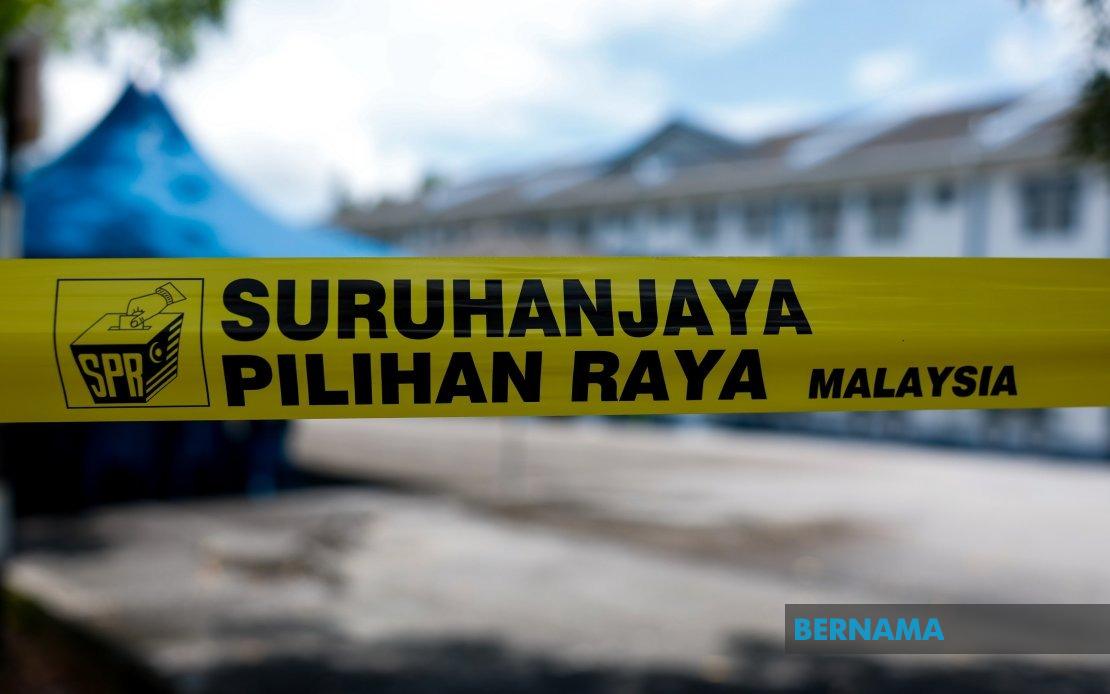
The Election Commission's timeline establishes June 27 as nomination day, July 7 for early voting, and July 11 as polling day, providing a compressed campaign period of roughly two weeks for candidates to mobilise supporters and amplify their messages. For a relatively new face like Rashifa, this condensed timeframe requires efficient grassroots mobilisation and rapid brand-building within the constituency.
Rashifa's elevation to candidacy represents an opportunity for MUDA to deepen its engagement with younger voter demographics, who have demonstrated increasing political consciousness in recent years. Her background in service centre management suggests familiarity with constituent grievances and community-based problem-solving, attributes that resonate with voters prioritising responsive, accessible representation over traditional hierarchical political structures.
The appointment also reflects MUDA's broader strategic calculations regarding women's representation in Malaysian politics. By fielding a female candidate, the party continues a trajectory of gender-balanced political participation, an approach that distinguishes it from older, more male-dominated political structures. This positioning appeals not only to women voters but also to younger, more socially progressive constituencies across demographic lines.
For Malaysian political observers, MUDA's continued expansion of its candidate pool signals the party's determination to move beyond its narrow base and compete seriously across multiple constituencies and states. The question remains whether the party can translate electoral success in isolated constituencies into broader regional dominance, a challenge that has historically tested smaller political movements seeking sustained growth within Malaysia's competitive political ecosystem.