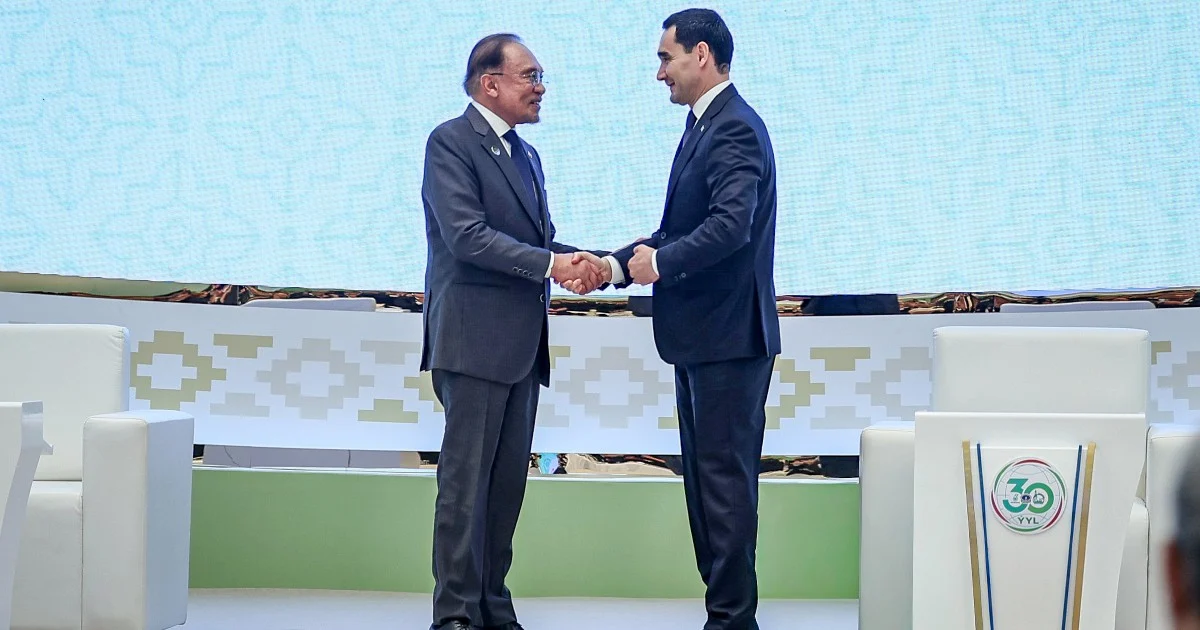
Malaysia and Turkmenistan have embarked on an expanded partnership spanning energy, commerce, and strategic sectors following Prime Minister Datuk Seri Anwar Ibrahim's official state visit to the Central Asian nation. The two countries have formally agreed to intensify cooperation across multiple domains, signalling a broadening of economic engagement between Southeast Asia and the energy-rich nation along the Caspian Sea.
The energy sector represents the cornerstone of this renewed commitment. Turkmenistan possesses substantial reserves of natural gas and oil, positioning it as a significant player in global energy markets. For Malaysia, which continues to balance energy security concerns with long-term supply diversification, the agreement offers potential opportunities to explore partnerships in hydrocarbon exploration, production technologies, and energy infrastructure development. The commitment reflects a pragmatic approach to securing alternative energy sources and sharing expertise in petroleum engineering and downstream operations.
Beyond energy, both nations have identified trade and investment as critical pillars for economic growth. Malaysia's established financial services sector and manufacturing base present attractive opportunities for Turkmen investors seeking regional market access. Simultaneously, Malaysian enterprises could find prospects in Turkmenistan's infrastructure development initiatives and natural resource sectors. The bilateral framework aims to reduce trade barriers and create pathways for joint ventures that leverage complementary strengths of each economy.
The transportation corridor component of the agreement carries particular strategic significance for Malaysia's broader regional ambitions. Improved logistics and shipping connections between Malaysia and Turkmenistan could facilitate smoother movement of goods and reduce transaction costs for businesses operating in both markets. Additionally, better transportation links strengthen Malaysia's position as a regional trade hub and improve connectivity across the Eurasian landmass, aligning with the country's vision of becoming a major logistics centre in Southeast Asia.
Education collaboration represents an often-underestimated but crucial dimension of this partnership. Malaysian universities and technical institutions could establish student exchange programmes and research collaborations with Turkmen counterparts, fostering people-to-people connections that extend beyond commercial transactions. Such educational initiatives typically generate long-term benefits through the development of skilled workforces familiar with both nations' business practices and cultures, creating a foundation for sustained economic relations.
The technology cooperation framework opens avenues for Malaysian companies specialising in digital transformation, telecommunications, and information technology to extend their reach into Central Asia. Turkmenistan, seeking to modernise its infrastructure and enhance digital capabilities, could benefit from Malaysian expertise in smart city development, fintech solutions, and renewable energy technologies. This reciprocal arrangement allows both nations to contribute distinctive competencies to shared development goals.
From a geopolitical perspective, Prime Minister Anwar Ibrahim's visit underscores Malaysia's commitment to diversifying its international partnerships and strengthening ties beyond traditional Southeast Asian networks. This outreach reflects a sophisticated foreign policy approach that recognises the interconnectedness of global markets and the importance of cultivating relationships with resource-rich nations. For Malaysia, establishing stronger bonds with Central Asian countries enhances its credibility as a bridge between different regions and trading blocs.
Turkmenistan benefits equally from this partnership by gaining access to Malaysia's advanced financial infrastructure, proven business environment, and established networks throughout Southeast Asia. As the Central Asian nation seeks to diversify its international partnerships beyond traditional relationships, engagement with Malaysia provides an alternative avenue for economic development and technological advancement. The agreement also positions Turkmenistan as an attractive destination for Malaysian capital seeking exposure to emerging markets with resource wealth.
The timing of this diplomatic engagement coincides with broader shifts in global energy markets and increased attention to supply chain resilience. Both nations recognise that cooperation in energy matters cannot be isolated from broader economic integration. By establishing comprehensive frameworks spanning multiple sectors, Malaysia and Turkmenistan create interdependencies that reinforce long-term stability in their bilateral relationship and reduce the likelihood of relationship deterioration based on fluctuations in any single sector.
Moving forward, the success of this partnership depends on concrete implementation mechanisms and regular high-level engagement. Both governments will need to establish working groups to translate commitments into actionable programmes with measurable outcomes. Private sector involvement becomes essential, as businesses from both nations must see clear incentives and reduced risks to justify investments and operational commitments across the partnership framework.
For Malaysia's business community, this agreement signals an emerging opportunity to explore ventures in energy, logistics, and technology sectors within Central Asia. Malaysian corporations with expertise in downstream petroleum processing, renewable energy solutions, and digital services may find receptive markets in Turkmenistan as the country pursues economic diversification objectives. The establishment of formal cooperative frameworks typically reduces regulatory uncertainties and facilitates faster business decision-making.
The partnership also carries implications for regional stability and economic development in Central Asia. Malaysia's engagement with Turkmenistan demonstrates that Southeast Asian nations possess sufficient economic weight and strategic value to forge meaningful partnerships with distant regions. This pattern of expanding cooperation encourages other Southeast Asian countries to similarly broaden their international engagements, potentially creating more resilient and diversified economic systems across the region. As global supply chains continue to evolve, such partnerships between geographically distant but economically complementary nations will become increasingly important for achieving sustainable growth and reducing vulnerability to concentrated regional dependencies.