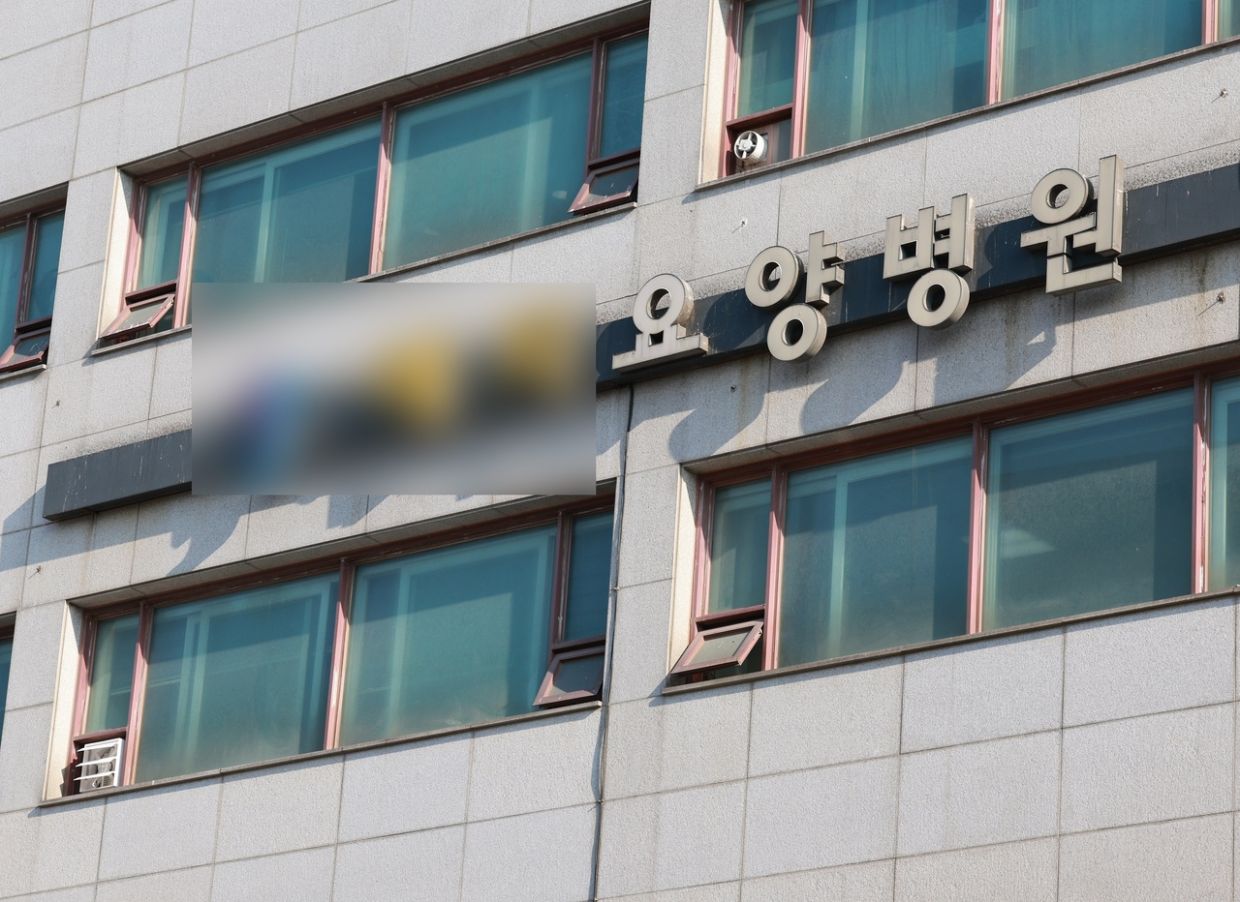
Police in Incheon have concluded their preliminary investigation into a disturbing incident involving a human leg found at a recycling facility, determining that the body part was mistakenly disposed of as ordinary waste by a local nursing hospital in Jung-gu. The leg belonged to an elderly female patient in her 80s who had undergone amputation at the facility, and investigators confirmed through DNA analysis that there was no criminal wrongdoing involved in the discovery itself. However, the hospital's handling of the amputated limb has raised serious questions about compliance with South Korean medical and environmental regulations.
The discovery occurred on June 10 when the amputated leg was found at approximately 2.28pm at the Southern Regional Resource Recovery Centre. Initial confusion over the nature of the find prompted police to launch a formal investigation, during which the National Forensic Service determined that the leg belonged to an adult. Hospital officials subsequently reported to authorities that the limb had likely originated from their facility, a claim that was verified when DNA testing matched the leg to one of their patients. The incident illustrates how medical institutions can sometimes mishandle biological waste, potentially creating public health and environmental concerns.
According to Incheon Yeonsu Police Station officials, the breakdown in protocol appears to have stemmed from human error rather than deliberate negligence. A member of the hospital's cleaning staff, believed to be in their 60s, reportedly mistook the amputated leg for a mannequin limb and disposed of it alongside regular recyclable waste. While the leg had initially been correctly classified as medical waste within the hospital, the subsequent mishandling by the cleaning worker allowed it to enter the broader waste stream that eventually reached the recycling centre. This sequence of events demonstrates how critical staff training and supervision are in healthcare facilities handling potentially hazardous materials.
South Korean law imposes strict requirements for the disposal of medical waste, mandating that such materials be placed in government-designated containers separate from conventional refuse. The Wastes Control Act, which governs these procedures throughout the country, exists precisely to prevent situations like the one that occurred in Incheon. Investigators are now examining whether the hospital adhered to these legal requirements when disposing of the amputated leg and whether proper segregation protocols were followed. Additionally, authorities are reviewing whether the Medical Service Act, which regulates healthcare procedures and facilities, may have been violated in connection with the amputation itself.
A significant complication in the investigation has emerged concerning the hospital's capacity to perform amputation surgery. There are allegations that the nursing facility lacks the necessary medical equipment and operational infrastructure to conduct such a procedure safely and according to standards. Police have neither confirmed nor denied these claims definitively, but the suggestion has raised concerns about whether proper medical protocols were followed before and after the amputation. This aspect of the investigation could prove more consequential than the waste disposal violation, as it touches on patient safety and the legitimacy of medical procedures performed at the facility.
The family's account of events provides additional context that may influence how authorities ultimately assess the hospital's responsibilities. According to testimony gathered during the investigation, the patient's family members chose to admit her to the Jung-gu nursing facility after other hospitals declined to take her as a patient due to her rapidly deteriorating health condition. This desperation to find any available care, driven by her poor clinical prognosis, may have motivated the family to accept treatment at a facility that was perhaps not fully equipped or qualified to handle her complex medical needs. Understanding this family's circumstances is essential for comprehending the broader systemic issues that may have contributed to the incident.
While investigators have ruled out any criminal foul play in the actual discovery and handling of the leg, the hospital itself could still face legal consequences for breaching waste management laws. The distinction between the leg being carelessly discarded versus being deliberately hidden is crucial from a criminal standpoint, yet the hospital's institutional failure to ensure proper medical waste procedures remains a regulatory violation. Officials at Incheon Yeonsu Police Station are currently consulting with multiple stakeholders, including the Korean Medical Association, the Ministry of Health and Welfare, and legal experts, to determine what specific charges or penalties might apply under existing legislation.
The incident highlights a broader challenge facing healthcare systems in managing the intersection of medical procedures, waste disposal, and regulatory compliance. For Malaysian and Southeast Asian healthcare administrators, the case serves as a cautionary tale about the importance of robust institutional protocols and staff training in medical waste management. Even in a developed healthcare system like South Korea's, lapses in coordination between clinical and administrative staff can result in public health incidents that attract police investigation and media scrutiny. The cleaning worker's assumption that the leg was a mannequin underscores how crucial clear communication and proper staff education are in preventing such scenarios.
The resolution of this case will likely set important precedent for how South Korean authorities treat institutional negligence in medical waste handling. If the hospital is found to have violated the Wastes Control Act, it may face fines or other sanctions that would encourage stricter compliance across the healthcare industry. The additional investigation into whether amputation facilities met regulatory standards represents an even more serious potential liability, as it directly implicates patient safety and the appropriateness of medical procedures. As the investigation continues with consultations between police, medical authorities, and government agencies, the case remains emblematic of how institutional systems must maintain vigilance across all operational areas, from clinical decisions to routine waste disposal, to protect both patients and the broader public.