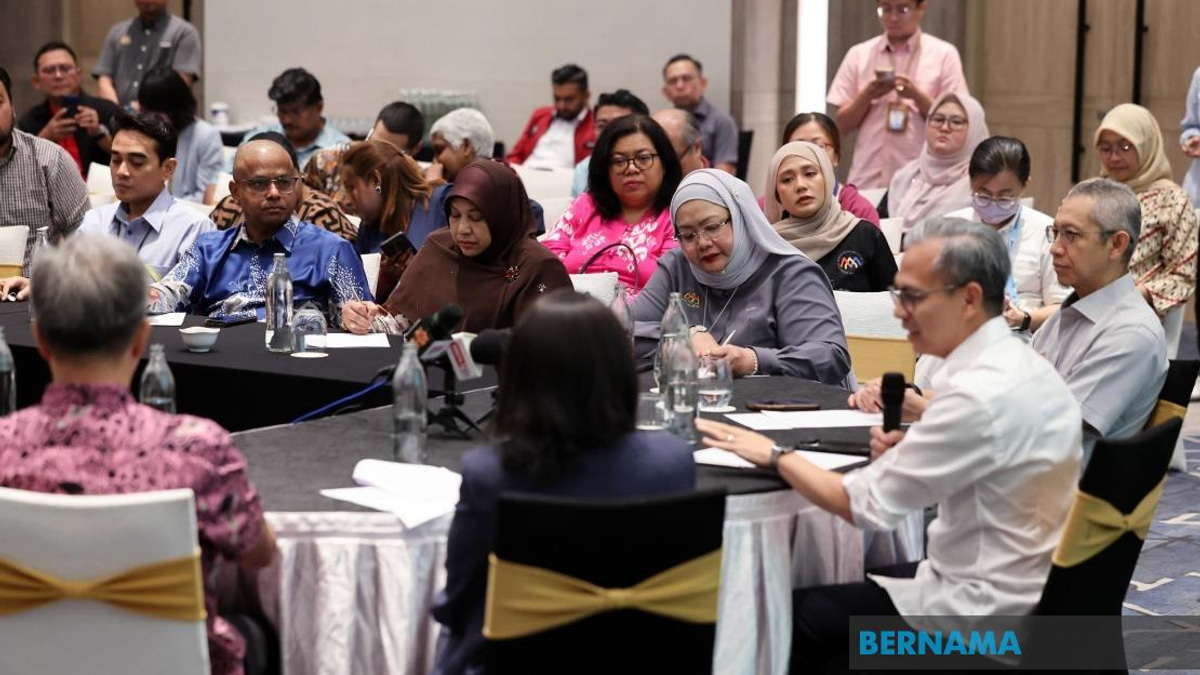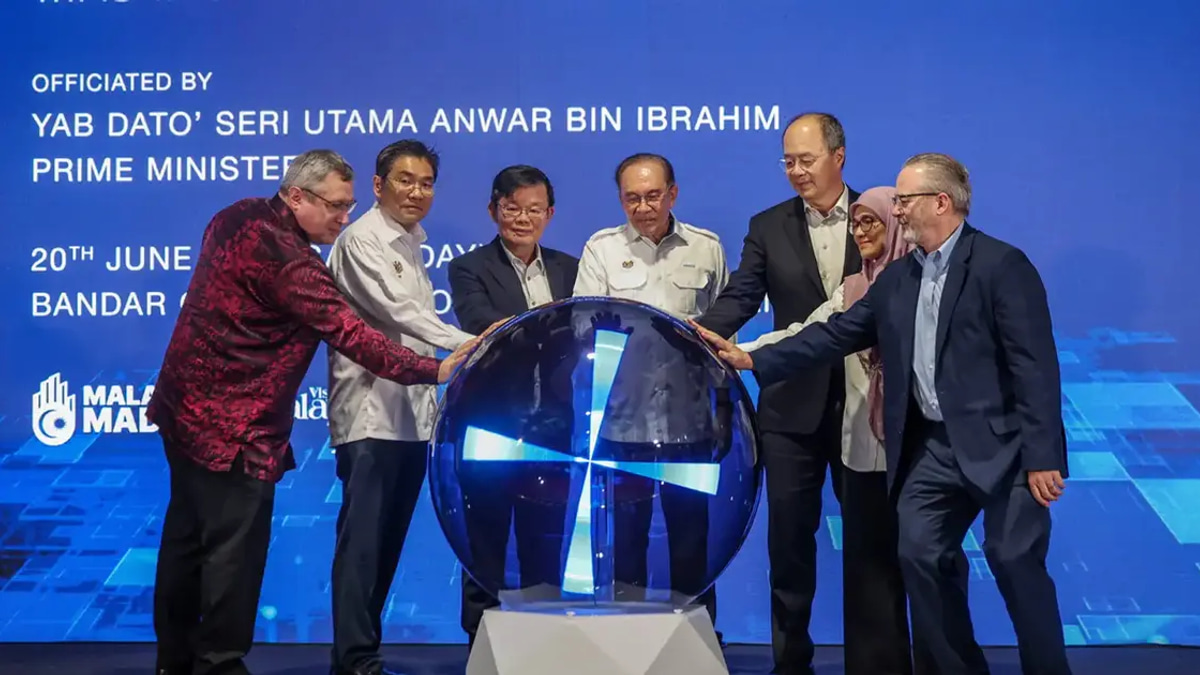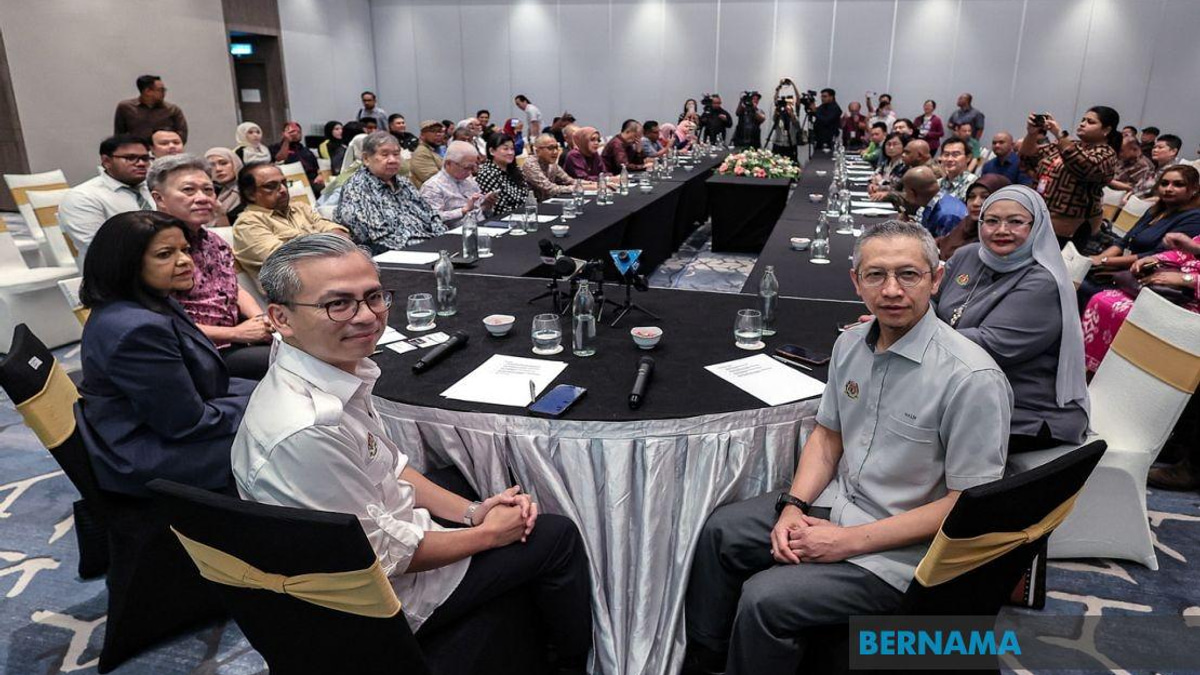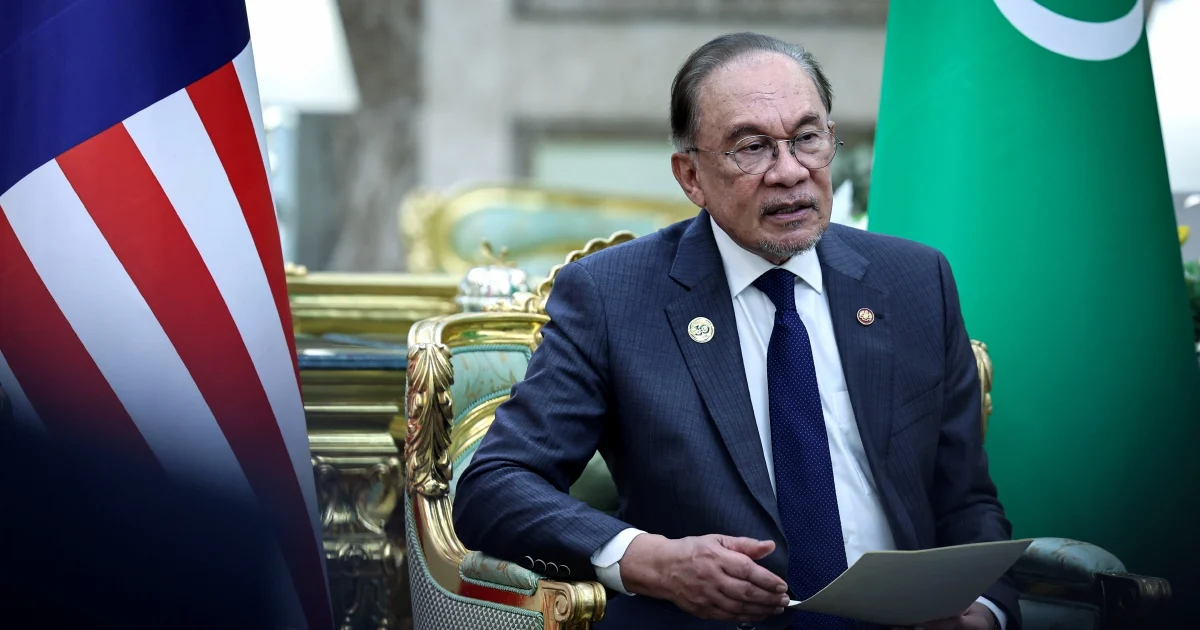
At an event in Batu Kawan, Prime Minister Datuk Seri Anwar Ibrahim expressed his support for emerging diplomatic developments between Washington and Tehran, characterising the reported preliminary accord as encouraging news with potential ramifications extending well beyond the immediate principals involved. His remarks reflect Malaysia's long-standing position as a non-aligned nation that advocates for dialogue-based solutions to international disputes, regardless of the parties in conflict.
Anwar's public endorsement of the US-Iran initiative underscores the Malaysian leadership's recognition that de-escalation efforts in the Middle East carry downstream consequences for Southeast Asia's geopolitical environment. The region has substantial economic interests in Middle Eastern stability, including dependence on shipping lanes through contested waters and exposure to petroleum price volatility triggered by regional tensions. When major powers reduce confrontation in that theatre, the ripple effects improve predictability and security conditions that directly affect Southeast Asian prosperity.
The Prime Minister's optimism hinges on the durability of any arrangement reached between the United States and Iran. Diplomatic breakthroughs involving these two actors have historically proven fragile; previous agreements have unravelled when administrations changed or conditions shifted. By emphasising hopes for lasting peace rather than simply celebrating an initial agreement, Anwar signals awareness that the announcement represents merely one step in what remains a protracted negotiation process requiring sustained commitment from both capitals.
Malaysia's enthusiastic reception of US-Iran engagement fits a broader diplomatic pattern in which Kuala Lumpur consistently advocates for multilateral problem-solving and inclusive dialogue frameworks. This philosophy extends from regional mechanisms like the Association of Southeast Asian Nations to broader global forums, where Malaysia frequently champions the principle that nations with deep-rooted grievances can achieve workable accommodations through patient negotiation. Anwar's comments implicitly advance this worldview to an international audience, positioning Malaysia as a voice for pragmatism in conflict resolution.
The timing of Anwar's remarks carries domestic political significance within Malaysia. His government has prioritised economic stabilisation and attracting foreign investment as core policy objectives. Projecting Malaysia's commitment to international peace and stability enhances the nation's investment appeal and signals to international capital that political risk in the country's operating environment remains manageable. A Prime Minister visibly engaged with major geopolitical developments demonstrates command of foreign policy and bolsters domestic perceptions of leadership credibility.
From a religious and cultural perspective, Anwar's endorsement of US-Iran diplomatic progress also resonates with Malaysia's Muslim-majority population, though for nuanced reasons. While many Malaysian Muslims maintain sympathies toward Iran's Islamic Republic, the nation's foreign policy establishment recognises that destabilisation of the Middle East creates humanitarian catastrophes affecting Muslims disproportionately. Anwar's support for deescalation appeals across these constituencies by framing peace itself as fundamentally aligned with Islamic values and Muslim interests.
The practical implications for Malaysian commerce deserve consideration. Sustained tension between the United States and Iran elevates insurance costs for shipping, disrupts oil and gas markets, and complicates Malaysia's trade relationships with both nations. A US-Iran rapprochement that reduces military confrontation risk would decrease these frictions, benefiting Malaysian exporters and importers alike. Anwar's backing for the process thus carries tangible economic dimensions beyond symbolic diplomacy.
Regional implications extend to Southeast Asian security architecture more broadly. Several ASEAN members maintain defence partnerships or strategic relationships with the United States, while others have cultivated diverse ties across the Muslim world. A more stable Middle East with reduced US-Iran tensions eliminates a potential fault line that might otherwise force awkward choices upon ASEAN nations. By publicly supporting such diplomatic progress, Malaysia helps reinforce the principle that peaceful settlement of disputes serves all parties' interests, a proposition that holds particular salience for a region still managing colonial legacies and territorial disputes.
Anwar's comments reflect Malaysia's permanent interests in a rules-based international order where disputes find resolution through negotiation rather than military escalation. This position transcends particular Malaysian administrations and represents deeply rooted strategic preferences refined through decades of non-aligned movement participation. The Prime Minister's welcoming stance toward US-Iran dialogue reaffirms Malaysia's commitment to these founding principles whilst demonstrating their continued relevance to contemporary geopolitical challenges.
Looking forward, Malaysia's role in supporting international dialogue initiatives may grow more prominent. As a respected voice in non-aligned circles with stable domestic consensus around conflict resolution priorities, Malaysia could potentially contribute to shuttle diplomacy or multilateral frameworks addressing Middle Eastern concerns. Anwar's public positioning as an enthusiast for US-Iran progress subtly signals Malaysian openness to playing such facilitating roles, should opportunities arise. This represents not mere cheerleading for diplomatic breakthroughs elsewhere, but rather an investment in Malaysia's own geopolitical relevance and influence within emerging international problem-solving architecture.