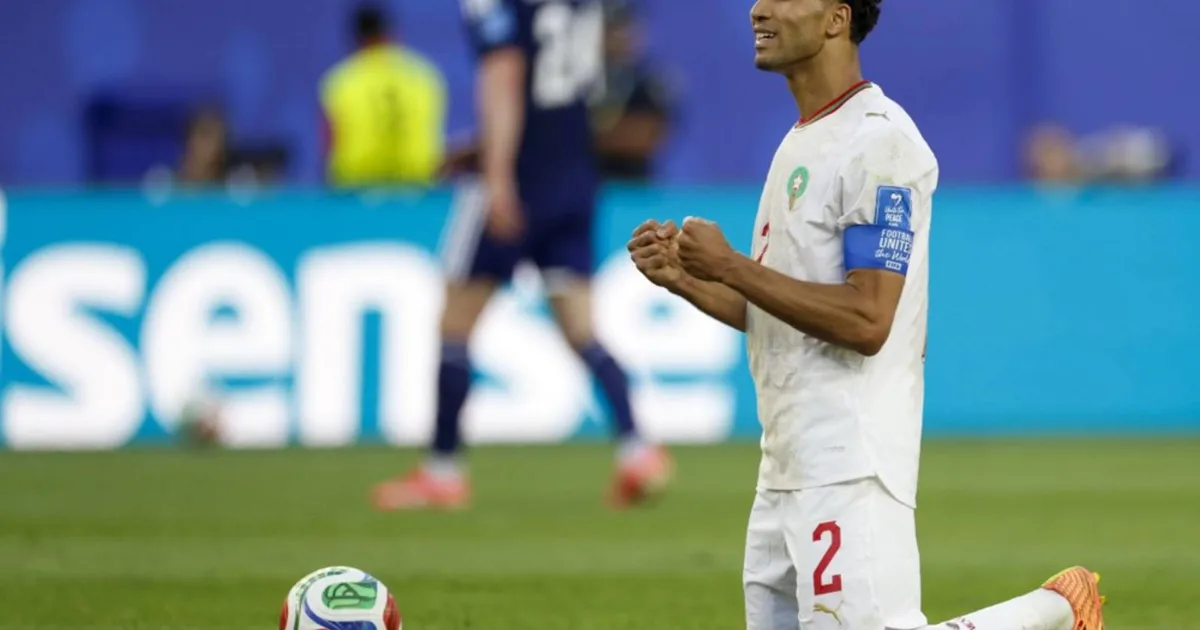
The Paris Saint-Germain defender Achraf Hakimi is proceeding through a high-profile legal case that has thrust one of world football's most accomplished young talents into an unwelcome spotlight. Morocco's World Cup coaching staff has publicly affirmed their confidence in the 25-year-old player, describing his mental state as steady even as he confronts serious criminal allegations that could have profound implications for his career and personal life.
Hakimi stands accused of assault by a 24-year-old woman who reported an incident allegedly occurring in the Paris region during 2023. The Moroccan international has categorically rejected these allegations, maintaining his innocence throughout the investigation and legal proceedings that have followed. His legal representatives have mounted a vigorous defence, though the matter remains a substantial distraction from his professional responsibilities at club and country level.
The situation represents a delicate balancing act for Morocco's national team administration, which must navigate both support for one of its most prominent players and sensitivity to the serious nature of the allegations involved. Coaches and federation officials have chosen to project confidence in Hakimi's character and focus on his footballing contributions rather than engage substantively with the legal matter itself. This measured approach reflects the complexities facing sports organisations when prominent athletes face criminal charges.
Hakimi has been a linchpin of PSG's defensive structure since joining the Parisian club, and his performances at international level have been equally impressive. His pace, technical quality, and versatility have made him invaluable to Morocco's tactical approach, particularly during the nation's remarkable run to the World Cup semi-finals in Qatar. The prospect of playing without him, or at reduced capacity due to mental or emotional strain, would significantly weaken the squad's competitive standing in continental and international tournaments.
The legal proceedings themselves carry considerable uncertainty. French law permits defendants to contest allegations at length, and Hakimi's case may consume considerable time as evidence is examined and arguments presented. During this period, the player must continue his professional commitments while managing the psychological burden of serious criminal accusations and the inevitable media scrutiny that accompanies such cases involving elite athletes.
For Malaysian sports fans and the broader Southeast Asian football audience, the Hakimi situation underscores how contemporary global football intersects with serious legal matters that transcend the pitch. The case demonstrates that even players at the pinnacle of the sport remain subject to the same legal systems and accountability mechanisms as ordinary citizens, a principle that resonates particularly in a region increasingly engaged with global legal standards and player welfare issues.
The regional dimension extends further when considering how such cases influence perceptions of player integrity and conduct across Asia's football communities. Malaysian fans, many of whom follow European club football intensely, observe how elite institutions respond to allegations against their contracted players, offering lessons in governance and accountability that reverberate through local football structures.
Hakimi's ability to maintain composure and focus reflects either remarkable resilience or, as his supporters suggest, genuine confidence in his eventual vindication. Players navigating legal challenges while performing at elite levels face extraordinary mental pressures that extend beyond typical competitive stress. The question of whether such psychological burdens affect on-pitch performance remains pertinent, particularly as Morocco considers squad selection for upcoming fixtures.
Morocco's coaching staff positioning themselves behind Hakimi carries implicit messaging about the presumption of innocence and the principle that allegations do not constitute proof. This stance differs markedly from social media discourse, where public opinion often hardens rapidly around serious criminal claims. The federation's approach reflects both organisational pragmatism and, potentially, their assessment of the evidence supporting Hakimi's protestations of innocence.
The defender's circumstances also highlight broader issues within professional football regarding player welfare during legal proceedings. Clubs and national federations face obligations to support their athletes' wellbeing while simultaneously respecting the integrity of judicial processes. PSG and Morocco must balance these considerations carefully, avoiding both the appearance of enabling misconduct and the appearance of abandoning a player entitled to the presumption of innocence.
As the legal process unfolds, Hakimi's professional life will continue in parallel. Contract negotiations, transfer discussions, and selection decisions will all proceed against a backdrop of ongoing litigation. This compartmentalisation—maintaining career momentum while facing serious criminal allegations—demands extraordinary focus and support systems that extend well beyond typical coaching staff responsibilities.
The international football community watches such cases with considerable interest, recognising that outcomes will likely influence how similar situations are handled in future. Hakimi's case thus transcends his individual circumstances to become part of a broader discussion about accountability, due process, and the position of elite athletes within legal frameworks that apply universally to all citizens, regardless of their prominence in sport.