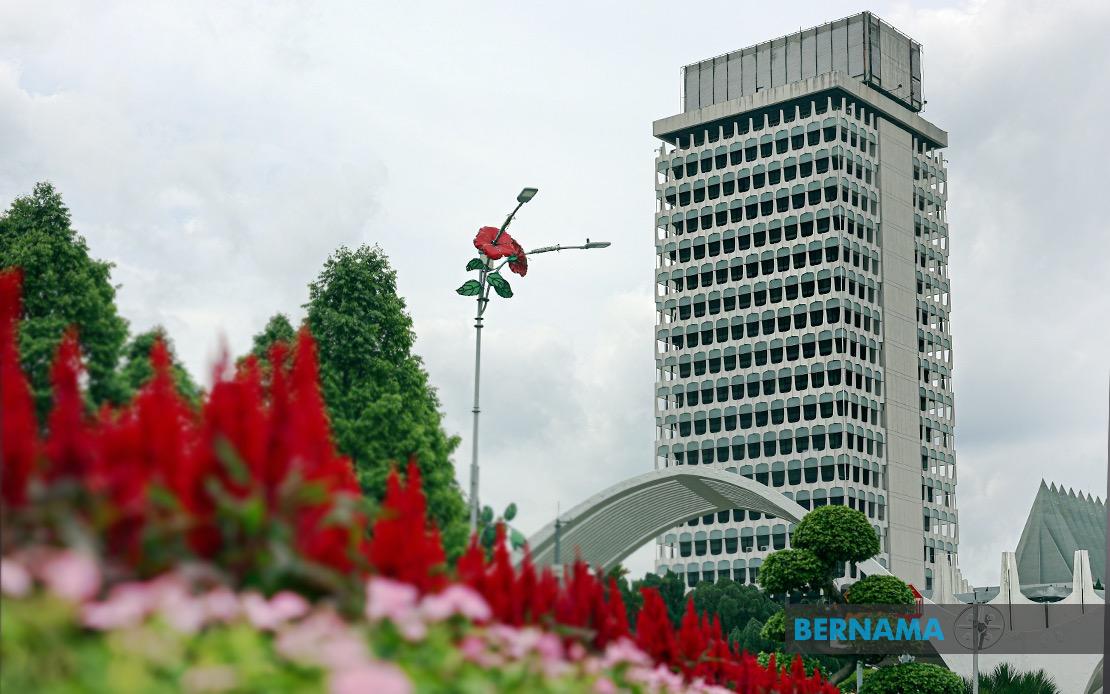
His Majesty Sultan Ibrahim, King of Malaysia, has formally granted royal assent to eight bills that were passed during the First Meeting of the Fifth Session of the 15th Parliament. The parliamentary sitting took place from January 19 to March 3, and Dewan Rakyat Speaker Tan Sri Johari Abdul announced the royal approval before question time in the lower house on June 22.
Among the legislation receiving the monarch's formal blessing are four bills designated for 2025 implementation. The Government Procurement Act 2025 represents a significant update to how the federal administration and government agencies will conduct purchasing and contract management. The Immigration (Amendment) Act 2025 and Passports (Amendment) Act 2025 introduce modifications to Malaysia's entry and travel documentation frameworks, reflecting evolving standards in identity management and border administration. Additionally, the International Settlement Agreements Resulting from Mediation Act 2025 establishes a new legal framework for resolving cross-border disputes through mediation mechanisms.
Four additional bills have received royal assent with a 2026 designation, suggesting extended implementation timelines or phased rollout provisions. The Johor Bahru-Singapore Rapid Transit System (RTS) Link Act 2026 is particularly significant for the Southeast Asian region, as it establishes the legal foundation for the major transport infrastructure connecting Malaysia's southern region directly with Singapore's transport network. This landmark project has undergone multiple planning phases over the past decade and represents one of the most ambitious cross-border transit initiatives in the region.
The Capitation Grant Act 2026 addresses educational funding mechanisms, potentially reshaping how schools receive per-pupil allocations from federal budgets. The Environmental Quality (Amendment) Act 2026 signals the government's ongoing commitment to refining pollution control and environmental protection standards. The Supplementary Supply (2025) Act 2026 authorises additional government expenditure beyond original budget allocations for the 2025 fiscal year, a common mechanism for accommodating unexpected demands or new initiatives identified during the year.
The parliamentary announcement also touched on the Employment Insurance System (Amendment) Bill 2025, which has now completed its passage through the Dewan Negara, Malaysia's upper house. This legislation underwent modifications during upper house deliberation, specifically affecting Clause 11, before receiving final approval. The employment insurance amendments suggest refinements to how Malaysian workers are protected against job loss and related economic shocks, a particularly relevant consideration given economic pressures across the region.
The concentration of bills receiving royal assent reflects the productive legislative session earlier in the year. Parliamentary business in Malaysia requires bills to pass both chambers—the Dewan Rakyat and Dewan Negara—before proceeding to the Palace for royal assent, the final constitutional step in the lawmaking process. The timing of the formal announcement in June, several months after the parliamentary sitting, reflects the administrative processes involved in coordinating with the Palace and scheduling parliamentary announcements.
For Malaysian business and civil society, these enactments carry substantial practical implications. The government procurement reforms will affect supply chains and competitive tendering processes across federal agencies, potentially influencing contract terms and timelines. The immigration and passport amendments respond to contemporary travel patterns and security requirements, affecting both Malaysian citizens and foreign visitors. The RTS Link project's legislative foundation is particularly significant for Johor's economic positioning, as it promises to integrate the state more deeply with Singapore's economy and facilitate cross-border labour mobility.
The environmental quality amendments come at a time when Southeast Asian nations face mounting pressure to address air quality, water pollution, and industrial emissions. Malaysia's revisions to environmental standards contribute to the region's broader sustainability agenda, though questions remain about enforcement capacity and industry compliance timelines. These legislative shifts also signal the government's assessment of which policy areas require updating as economic and social conditions evolve.
The employment insurance system modifications warrant close attention from labour organisations and workers' rights advocates. Any restructuring of employment insurance mechanisms carries implications for worker protections during economic downturns and may affect employer contributions or benefit structures. The upper house's specific amendments to Clause 11 suggest points of negotiation between government priorities and legislative safeguards during the deliberative process.
These eight bills collectively represent the government's policy priorities across diverse portfolios—from procurement efficiency and border management to regional infrastructure, education funding, and environmental stewardship. The legislative activity underscores Parliament's role in translating executive initiatives into binding law and the constitutional monarchy's formal endorsement of democratic legislation. For Malaysia's neighbours and regional observers, several of these enactments—particularly the RTS Link legislation and employment protections—carry broader significance for Southeast Asian economic integration and labour standards.