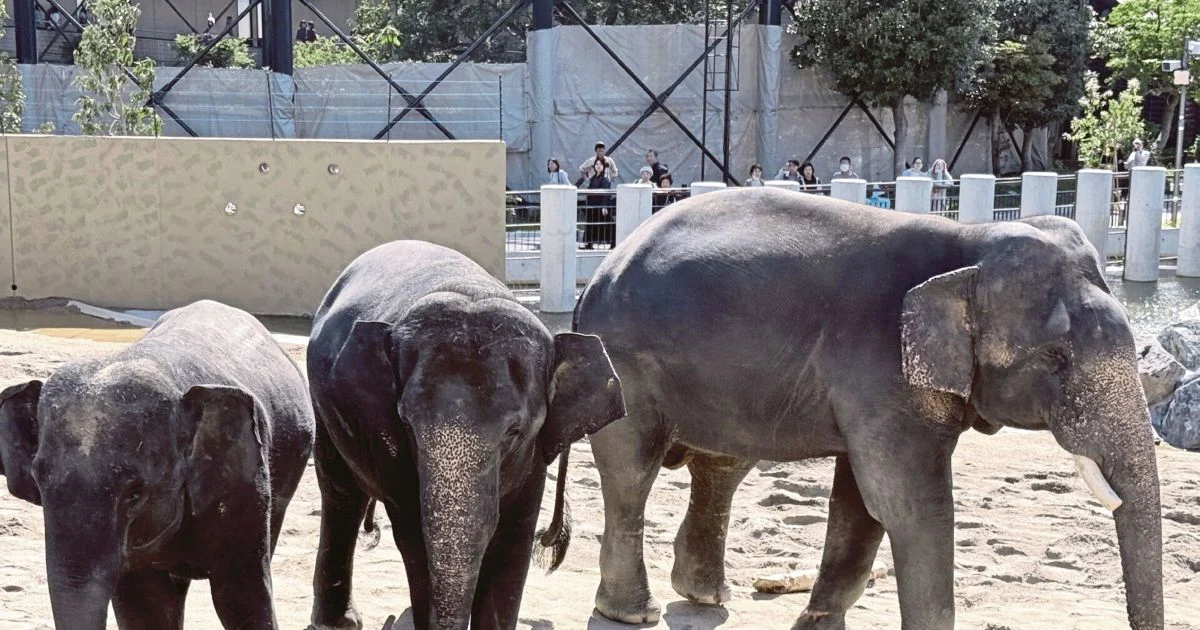
Malaysia's corruption watchdog has initiated a formal inquiry into the relocation of three Asian elephants from Zoo Taiping in Perak to the Tennoji Zoo located in Osaka, Japan. The Malaysian Anti-Corruption Commission (MACC) move represents an official examination of the circumstances surrounding this international animal transfer, signalling potential concerns about how the arrangement was handled and whether proper protocols were followed throughout the process.
The transfer of Zoo Taiping's elephants marks a significant development in the ongoing scrutiny of wildlife management practices within Malaysia's public institutions. Zoo Taiping, one of the nation's oldest and most prominent zoological facilities, serves as a custodian of endangered species and represents Malaysian wildlife heritage to both domestic and international audiences. The decision to relocate three of the facility's most prominent residents to a foreign institution therefore carries implications extending beyond routine animal husbandry decisions.
The Tennoji Zoo in Osaka has been a noted destination for Asian wildlife, and international animal exchanges form part of broader conservation and genetic diversity programmes managed through zoo networks. However, the involvement of the MACC in examining this particular transfer suggests that questions have emerged about the decision-making process, approvals granted, and whether any irregularities occurred in the handling of what would normally be considered standard operational transfers between accredited facilities.
Animal welfare advocates and environmental groups within Malaysia have increasingly scrutinized major decisions affecting the country's wildlife institutions, particularly those involving the relocation of animals to overseas destinations. These observers often raise concerns about documentation, adherence to international wildlife protection standards, and whether domestic stakeholders received adequate consultation on matters affecting nationally-held animal collections. The MACC investigation appears responsive to these broader concerns about institutional transparency and accountability.
The timing of this investigation also reflects Malaysia's growing emphasis on anti-corruption oversight across all government-related entities and statutory bodies. Zoo Taiping operates under state government administration in Perak, and investigations into its operations fall within MACC's mandate to examine potential irregularities in public institutions. The commission's decision to formally probe the elephant transfer underscores commitment to ensuring that decisions affecting public resources and national assets withstand scrutiny.
For regional observers and international wildlife conservation bodies, the investigation may have broader implications for how Malaysian institutions handle transnational animal transfers and whether established protocols governing such movements are being consistently applied. Zoo networks across Southeast Asia operate under various international agreements and guidelines designed to ensure animal welfare and maintain genetic diversity in captive populations. Any irregularities in how Zoo Taiping executed this transfer could potentially affect Malaysia's standing within these international cooperation frameworks.
The three Asian elephants represent significant assets of Malaysia's zoological heritage, and their movement to Japan constitutes an irreversible decision with long-term consequences. This reality likely drove MACC's decision to investigate, as the permanent relocation of animals held in public trust demands rigorous examination of the process by which such decisions were made and authorized. The investigation will presumably examine documentation, approval chains, communications between relevant stakeholders, and whether established procedures were adhered to throughout.
Stakeholders in Malaysia's conservation and wildlife sectors are monitoring the MACC investigation closely, as its findings could establish important precedents for how future international animal transfers are evaluated and approved. The outcome may influence internal protocols at Zoo Taiping and potentially across other Malaysian zoological institutions, establishing clearer standards for transparency and accountability in such decisions. Public institutions managing wildlife collections increasingly face expectations that major decisions be demonstrably defensible and properly documented.
The investigation also occurs within Malaysia's broader context of institutional reform and anti-corruption initiatives. Public trust in government-linked entities depends partly on demonstrated willingness to examine controversial decisions and hold decision-makers accountable when necessary. The MACC's visible engagement in investigating this matter therefore serves both investigative and symbolic purposes in reinforcing commitments to institutional integrity.
As the MACC proceeds with its examination, the investigation may yield findings about whether approvals were properly obtained, whether financial arrangements were conducted transparently, whether appropriate environmental impact assessments were conducted, and whether all relevant stakeholders were adequately informed. These procedural questions ultimately matter more to observers concerned with institutional governance than the animal transfer itself. The investigation's outcome will clarify whether Zoo Taiping's handling of this decision met public accountability standards or whether deficiencies in the decision-making process warrant remedial action or further scrutiny of related institutional practices.

%22%2F%3E%3C%2Fpattern%3E%3C%2Fdefs%3E%3Crect%20width%3D%22100%25%22%20height%3D%22100%25%22%20fill%3D%22url(%23ph9pgng)%22%2F%3E%3Crect%20width%3D%22100%25%22%20height%3D%22100%25%22%20fill%3D%22url(%23ph9pgnp)%22%2F%3E%3Ctext%20x%3D%2250%25%22%20y%3D%2250%25%22%20text-anchor%3D%22middle%22%20dominant-baseline%3D%22central%22%20fill%3D%22rgba(255%2C255%2C255%2C0.95)%22%20font-family%3D%22Georgia%2C%20'Times%20New%20Roman'%2C%20serif%22%20font-weight%3D%22700%22%20font-size%3D%22170%22%20letter-spacing%3D%22-0.02em%22%3EMalaysia%3C%2Ftext%3E%3C%2Fsvg%3E)
%22%2F%3E%3C%2Fpattern%3E%3C%2Fdefs%3E%3Crect%20width%3D%22100%25%22%20height%3D%22100%25%22%20fill%3D%22url(%23ph389gmg)%22%2F%3E%3Crect%20width%3D%22100%25%22%20height%3D%22100%25%22%20fill%3D%22url(%23ph389gmp)%22%2F%3E%3Ctext%20x%3D%2250%25%22%20y%3D%2250%25%22%20text-anchor%3D%22middle%22%20dominant-baseline%3D%22central%22%20fill%3D%22rgba(255%2C255%2C255%2C0.95)%22%20font-family%3D%22Georgia%2C%20'Times%20New%20Roman'%2C%20serif%22%20font-weight%3D%22700%22%20font-size%3D%22320%22%20letter-spacing%3D%22-0.02em%22%3EMACC%3C%2Ftext%3E%3C%2Fsvg%3E)