%22%2F%3E%3C%2Fpattern%3E%3C%2Fdefs%3E%3Crect%20width%3D%22100%25%22%20height%3D%22100%25%22%20fill%3D%22url(%23ph9pgng)%22%2F%3E%3Crect%20width%3D%22100%25%22%20height%3D%22100%25%22%20fill%3D%22url(%23ph9pgnp)%22%2F%3E%3Ctext%20x%3D%2250%25%22%20y%3D%2250%25%22%20text-anchor%3D%22middle%22%20dominant-baseline%3D%22central%22%20fill%3D%22rgba(255%2C255%2C255%2C0.95)%22%20font-family%3D%22Georgia%2C%20'Times%20New%20Roman'%2C%20serif%22%20font-weight%3D%22700%22%20font-size%3D%22170%22%20letter-spacing%3D%22-0.02em%22%3EMalaysia%3C%2Ftext%3E%3C%2Fsvg%3E)
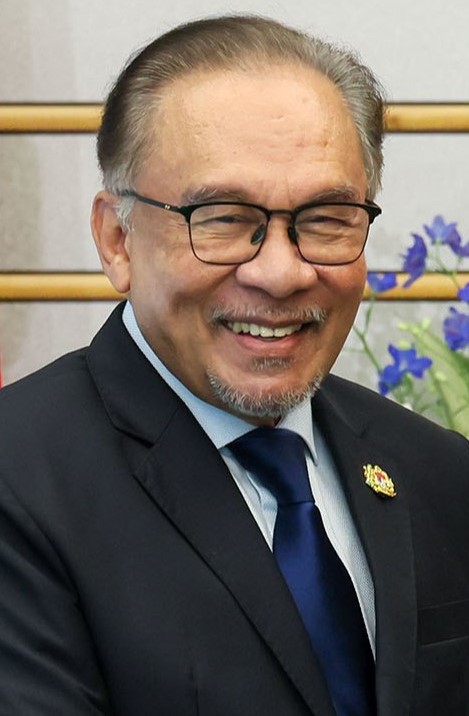
Malaysia and Bangladesh have formally committed to combating the exploitation and mistreatment of migrant workers, marking a significant step in addressing longstanding humanitarian concerns within the region's labour sector. The commitment emerged from high-level talks in Putrajaya between Prime Minister Datuk Seri Anwar Ibrahim and visiting Bangladesh Prime Minister Tarique Rahman, where both leaders acknowledged that current practices have generated substantial scandal and raised serious questions about worker protection standards.
During the joint press conference on June 22, Anwar stressed that while foreign workers remain indispensable to Malaysia's continued economic expansion, this dependence cannot justify the systemic abuses that have plagued the industry. He emphasised that both nations must work in concert to establish recruitment mechanisms characterised by genuine transparency and fairness, moving away from the opacity that has historically enabled exploitation. The Malaysian Prime Minister highlighted that protecting the wellbeing of foreign workers and ensuring their families back home receive adequate support must be foundational principles in any labour arrangement between the two countries.
The acknowledgment of humanitarian failures represents a candid assessment of Malaysia's foreign worker framework. Anwar's comments suggest growing recognition at the highest levels of government that the current system, while economically beneficial, has permitted widespread abuses including wage theft, unsafe working conditions, excessive working hours, and restrictions on worker movement. These issues have drawn international criticism and damaged Malaysia's reputation as a host nation for migrant labour.
Bangladesh, as a significant source of workers to Malaysia, has its own leverage in these discussions. Tarique raised the prospect of Bangladesh requesting Malaysia to substantially increase recruitment of Bangladeshi nationals and to reopen its labour market more rapidly following any temporary restrictions. This bargaining position reflects Bangladesh's economic interest in facilitating worker migration, which generates crucial foreign remittances for the home economy. The statement indicates that labour negotiations between the two countries extend beyond humanitarian concerns to encompass economic incentives and market access.
Malaysia's reliance on migrant labour is particularly acute in low-skill sectors including construction, agriculture, manufacturing, and domestic work, where local recruitment remains inadequate. Bangladesh represents one of Malaysia's largest labour-source countries, alongside Indonesia, Myanmar, and the Philippines. The scale of this migration means that bilateral agreements on worker treatment carry substantial weight across Southeast Asia's labour market.
The emphasis on transparent recruitment systems addresses one of the primary conduits for exploitation. Unregulated or loosely supervised recruitment often involves fraudulent job descriptions, hidden fees, debt-bondage mechanisms, and collusion between Malaysian employers and Bangladeshi labour brokers to deceive workers about actual employment conditions. By committing to transparency, the two governments signal intent to audit and regulate this recruitment pipeline more rigorously.
For Malaysian readers, this development carries implications for both business operations and social responsibility. Companies that rely on migrant labour face potential regulatory tightening and increased scrutiny of hiring practices. Simultaneously, genuine commitments to worker protection could reduce labour turnover, improve productivity, and enhance Malaysia's international standing as a responsible employer nation. The construction and manufacturing sectors, which depend heavily on migrant workers, will likely experience gradual shifts in recruitment procedures and oversight mechanisms.
The joint commitment also reflects broader regional momentum toward labour protection standards. Within ASEAN, there is growing consensus that migrant worker exploitation creates not only humanitarian disasters but also potential security vulnerabilities, social instability in source countries, and reputational damage for host nations. Malaysia's positioning alongside Bangladesh on this issue aligns with international labour standards and addresses long-standing recommendations from human rights organisations and the International Labour Organization.
Implementing these commitments will require substantial institutional changes, including establishing independent monitoring mechanisms, creating accessible grievance pathways for workers, and enforcing penalties against employers and recruiters found guilty of exploitation. Both governments will need to allocate resources to training labour inspectors and establishing bilateral verification processes. The success of such reforms depends critically on political will and sustained enforcement, areas where previous initiatives have sometimes faltered.
Tarique's request for expanded recruitment and rapid market reopening suggests Bangladesh is positioning itself strategically within Malaysia's labour landscape. As alternative source countries compete for access to the Malaysian market, Bangladesh seeks preferential treatment tied to cooperation on worker protection. This creates a framework where humanitarian commitments become intertwined with economic negotiations, potentially incentivising both governments to demonstrate tangible progress on the ground.
For Malaysian employers and recruitment agencies, the agreement signals a transition period where voluntary compliance with higher standards will likely become mandatory compliance through regulation. Those currently operating within grey zones of labour law should anticipate stricter scrutiny. Conversely, ethical employers may find this framework advantageous, as it creates a more level playing field and reduces competition from firms willing to exploit workers.
The political symbolism of this agreement should not be underestimated. Both Prime Ministers publicly staking their governments' reputations on worker protection creates domestic and international expectations for measurable outcomes. Whether Malaysia and Bangladesh can translate these pledges into systemic reform will significantly influence not only bilateral relations but also the broader trajectory of worker rights protection across Southeast Asia's migrant labour system.