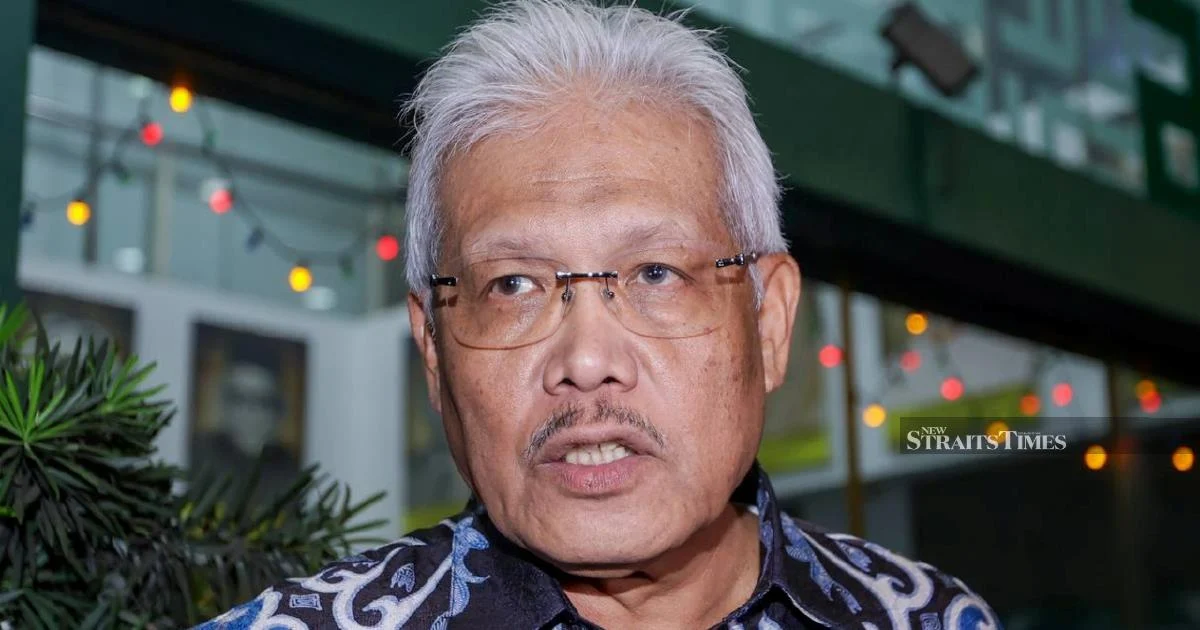
The opposition coalition has confirmed it will lodge official documentation with the Dewan Rakyat Speaker formalising Datuk Seri Hamzah Zainudin's role as opposition leader before lawmakers reconvene for the next parliamentary session. This procedural step represents the formal consolidation of leadership within the opposition benches, moving beyond preliminary announcements to institutional recognition.
The timing of this submission underscores the opposition's intent to operationalise their restructured command hierarchy before parliamentary business resumes. By securing this recognition before the next sitting, the coalition ensures Hamzah receives all accompanying privileges, parliamentary speaking rights, and ceremonial acknowledgments attached to the opposition leader position—benefits that extend considerably beyond symbolic gestures in Westminster-style parliaments like Malaysia's.
Hamzah, a seasoned politician with substantial parliamentary experience, assumes leadership of an opposition coalition that commands meaningful numbers in the Dewan Rakyat. His appointment signals consolidation within the opposition ranks, which have undergone significant realignment since the 2023 general election and subsequent political manoeuvring. The formal notification process, while administrative in appearance, carries substantial weight in Malaysian parliamentary practice.
This development matters significantly for Southeast Asian observers tracking Malaysian political stability. A clearly designated opposition leadership structure strengthens parliamentary institutions by creating defined channels for government accountability and legislative scrutiny. The opposition leader position carries responsibility for coordinating questioning of government policy, leading debate on matters of national importance, and serving as the de facto spokesperson for the opposition bloc.
The submission of formal documentation reflects modern parliamentary conventions and ensures that all procedural requirements are satisfied. Malaysian parliamentary standing orders establish clear protocols for recognising the opposition leader, and adhering to these procedures demonstrates institutional maturity and respect for democratic process, even amid intense political competition between government and opposition.
Hamzah's background provides important context for his elevation to this role. As a politician with long experience navigating Malaysia's complex coalition politics, he brings credibility to the position. His appointment likely required negotiation across multiple opposition parties and factions, suggesting broader consensus among opposition lawmakers regarding direction and strategy moving forward.
For Malaysian stakeholders invested in parliamentary effectiveness, this formalisation matters considerably. An empowered opposition leader with clearly defined status can more effectively hold government accountable through parliamentary mechanisms—questioning ministers during question time, moving motions of censure, proposing alternative legislation, and mobilising opposition backbenchers around coherent policy platforms. These functions depend partly on institutional recognition and standing.
The next parliamentary sitting will mark the formal beginning of Hamzah's tenure with official recognition. This provides opposition MPs with unified leadership during what promises to be a consequential session, with multiple pieces of government legislation and policy announcements likely requiring scrutiny and debate. The opposition leader's role becomes particularly important during budget deliberations, when parliamentary procedures typically afford extended speaking opportunities for opposition voices.
Regional implications warrant consideration as well. Malaysia's parliamentary opposition structure influences broader Southeast Asian perceptions of democratic health and institutional strength. Neighbouring countries and international observers monitor Malaysian parliamentary dynamics, and the formal establishment of clear opposition leadership contributes to perceptions of institutional stability and democratic commitment, even as political competition remains fierce.
The procedural formality of notifying the Speaker before parliamentary reconvenes also reflects orderly succession within opposition ranks. Rather than allowing confusion or competing claims regarding opposition leadership, the coalition has moved efficiently to secure formal recognition. This clarity prevents distraction from substantive policy disagreement and parliamentary business.
Looking ahead, Hamzah will inherit considerable responsibility for representing opposition interests across the full range of parliamentary business. From government budget scrutiny to constitutional amendments, from economic policy debate to governance questions, the opposition leader must articulate coherent alternative positions while maintaining coalition unity across potentially divergent party interests.
The submission of formal notice before the next sitting ensures parliamentary records will clearly document Hamzah's appointment and status. This creates an official record that shapes parliamentary procedure, question time protocols, and media access rights associated with the position. Such documentation matters in parliamentary systems where custom, convention, and standing orders interact to determine how institutions actually function.
Ultimately, this announcement reflects Malaysian political maturity in handling opposition leadership transitions through established procedures rather than informal arrangements or factional struggles. The opposition coalition has determined its direction, selected its parliamentary spokesperson, and now formalises that choice through appropriate channels. Whether this structural clarity translates into effective parliamentary opposition remains an open question dependent on opposition execution and strategy during coming parliamentary sessions.