The Malaysian government's decision to provide free broadcasting of the 2026 FIFA World Cup through Radio Televisyen Malaysia (RTM) and Unifi TV has struck a chord with business owners and the public, according to Communications Minister Datuk Fahmi Fadzil, who highlighted the initiative as a meaningful intervention in times of rising operational costs. During a visit to the Seberang Jaya Public Market food court in Butterworth on June 20, Fahmi underscored how the cost-saving measure is being particularly welcomed by the food and beverage sector, which has long borne the expense of purchasing expensive broadcast rights to screen major sporting events.
The Malaysian Muslim Restaurant Owners Association has conveyed to the minister that the free-to-air arrangement is generating significant financial relief for its members. One trader shared with Fahmi that this marks the first occasion in more than two decades that he has been able to provide World Cup coverage to his customers without incurring substantial licensing fees—a testament to how previous global tournaments have strained the operational budgets of small and medium-sized food establishments across the country. This generational shift in access reflects a broader recognition within government circles that sporting content has become increasingly commercialised, often pricing out smaller venues and ordinary Malaysians from enjoying live broadcasts of major international events.
The availability of multiple platforms for viewing—RTM's traditional broadcast channels, the RTMKlik online service, and Unifi TV—has democratised access to the tournament across different demographic groups and geographic locations. For restaurant operators, the elimination of subscription or broadcast licensing costs represents a direct reduction in overhead expenses at a time when many are grappling with inflationary pressures affecting everything from ingredient procurement to utilities. Fahmi suggested that by removing this financial barrier, the government expects restaurants and food courts to attract additional foot traffic from World Cup enthusiasts seeking affordable venues to watch matches with others, potentially boosting revenues in the hospitality sector during the tournament period.
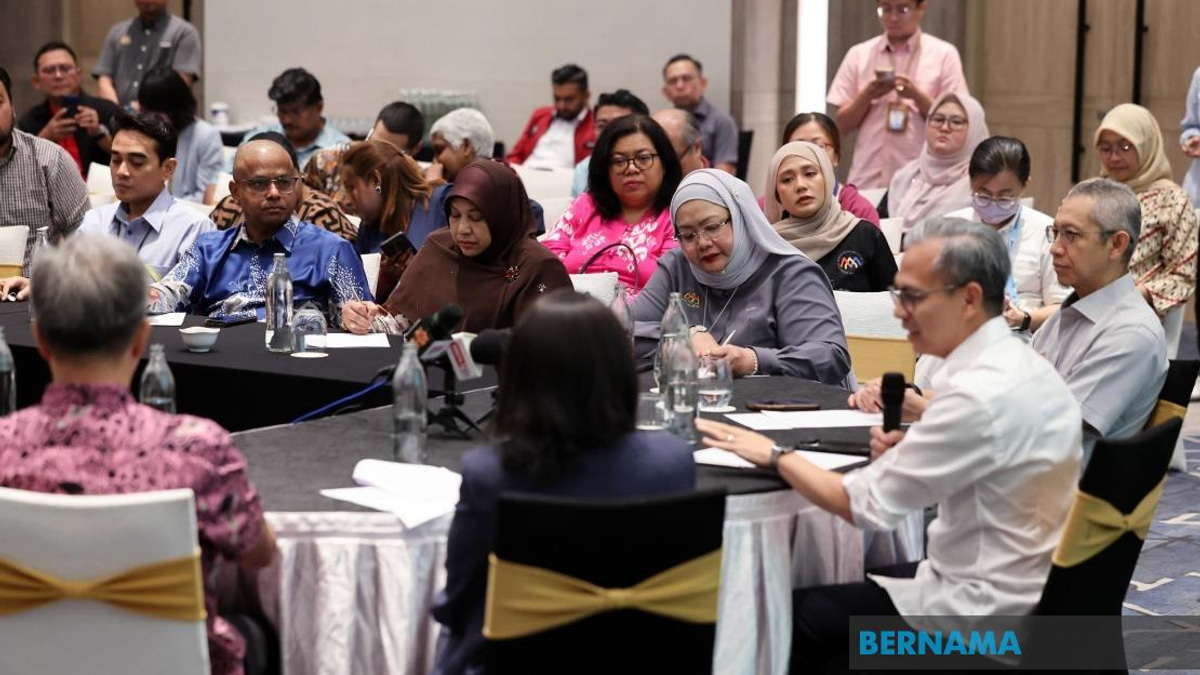
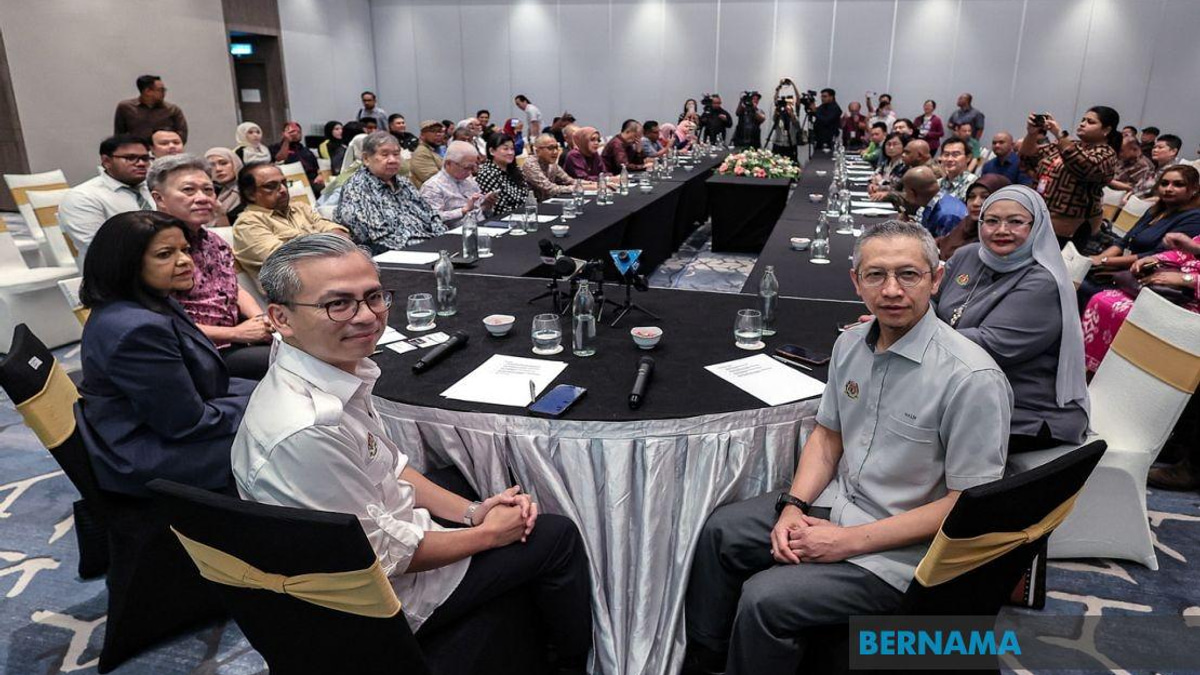
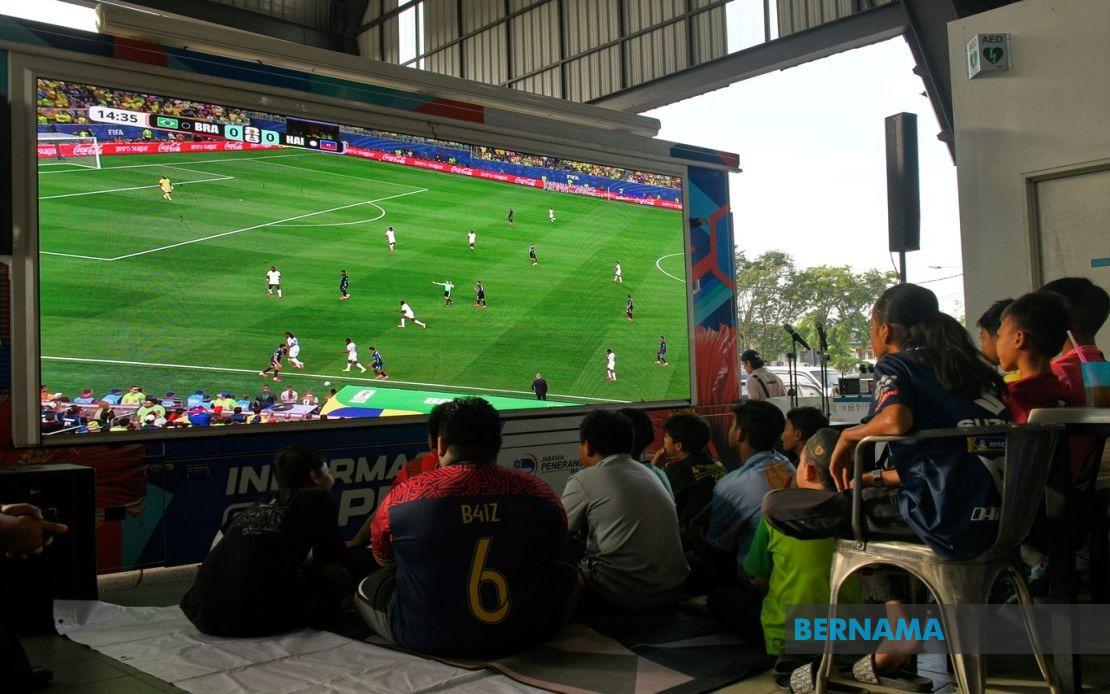
The minister's presence at the Seberang Jaya gathering was not merely ceremonial; he took time to watch the first half of the Brazil versus Haiti match alongside members of the public and engaged directly with market traders. This ground-level engagement served a dual purpose: it provided Fahmi with immediate, unfiltered feedback on the economic conditions facing small business operators in a working-class neighbourhood, and it demonstrated government attentiveness to community concerns. During these interactions, traders shared multiple grievances and expectations regarding potential assistance from both state and federal authorities—issues the minister pledged to escalate to Prime Minister Datuk Seri Anwar Ibrahim and Penang Chief Minister Chow Kon Yeow.
Beyond the immediate benefits of free World Cup access, Fahmi used the occasion to pivot toward broader economic concerns weighing on Malaysian traders. He emphasised that the lingering effects of the West Asian conflict continue to ripple through the nation's supply chains and consumer prices, particularly affecting the cost of imported goods and raw materials. While international hostilities remain geographically distant, their economic consequences are acutely felt in Malaysian markets, where traders face sustained pressure on margins and must navigate uncertainty in procurement costs. The minister's acknowledgement of this reality—and his apparent intention to bring trader concerns to the highest levels of government—suggests that policymakers are beginning to recognise how external geopolitical shocks translate into domestic economic hardship for ordinary business owners.
Fahmi's commentary also carried an implicit critique regarding the engagement patterns of Malaysia's political leadership. His call for more ministers, Members of Parliament, and state assemblymen to conduct ground-level visits and observe firsthand the challenges faced by ordinary traders suggests that such direct accountability and observation may not be sufficiently routine within Malaysia's governance structures. By visiting a public market food court and spending time with vendors rather than remaining sequestered in official chambers, Fahmi modelled an approach to governance centred on empirical understanding of lived conditions rather than abstract policy assumptions. This emphasis on direct observation as a prerequisite for sound policy-making reflects a growing recognition that Malaysian political elites must maintain closer connections to the realities facing small business operators and working-class communities.
The World Cup broadcast initiative also offers a case study in how government can intervene strategically in media and entertainment markets to achieve social and economic objectives. By leveraging state-owned and state-aligned broadcasting infrastructure to provide free access to premium sporting content, Malaysia has circumvented the typical commercial gatekeeping that restricts such content to wealthy consumers or subscribers. This approach stands in contrast to purely privatised models where broadcasting rights are auctioned to the highest bidder, inevitably pricing out smaller venues and lower-income households. The decision reflects a philosophy that major global sporting events possess sufficient cultural and social significance to justify public investment in universal access.
For Malaysian sports fans and the broader hospitality sector, the 2026 World Cup now promises a less fractured viewing experience compared to previous tournaments, where fragmented broadcast rights across multiple pay-TV operators created barriers to collective viewing. Public markets, food courts, and neighbourhood restaurants become communal viewing spaces rather than exclusive domains of subscribers, potentially strengthening social bonds and shared cultural experiences around the sport. This democratisation of access is particularly valuable in a diverse, multicultural society like Malaysia, where major sporting events can serve as common cultural anchors transcending ethnic and religious boundaries.
The initiative also carries implications for Malaysia's broader media landscape and the role of public broadcasting. As global trends increasingly favour subscription-based content delivery and privatised distribution models, Malaysia's decision to deploy RTM and Unifi as free-to-air platforms for the World Cup represents a countercurrent assertion of public service broadcasting values. This positioning of state media as custodians of universal cultural access—rather than as marginalised competitors to commercially dominant platforms—may influence future government policy regarding other high-impact sporting events and cultural programming. The precedent established through the 2026 World Cup coverage could shape expectations and norms around what constitutes appropriate public investment in entertainment infrastructure.