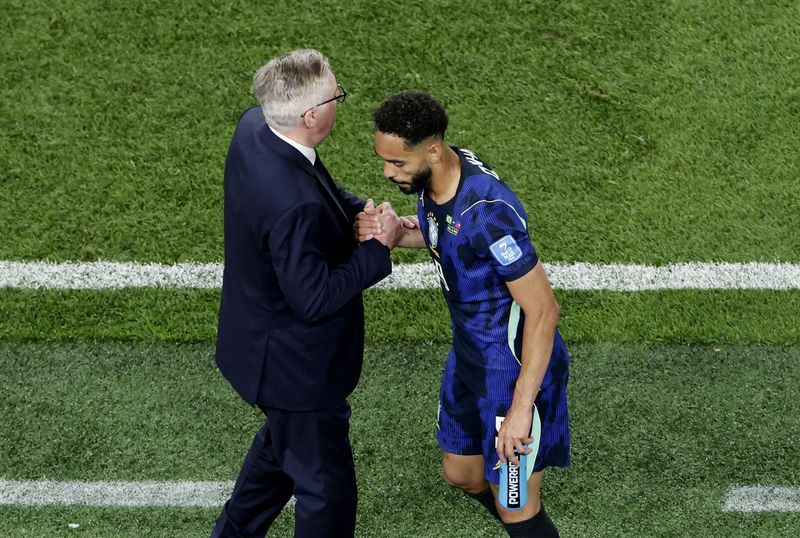
Brazil's convincing 3-0 victory over Haiti in Philadelphia on June 19 offered supporters their first genuine glimpse of Carlo Ancelotti's strategic blueprint for the tournament, moving beyond the frustration of their opening draw with Morocco and providing tangible evidence of a team beginning to find its rhythm under the Italian coach's guidance.
Although Haiti presented limited technical resistance—frequently charging forward with careless disregard for defensive organisation—the comparative ease with which Brazil dismantled them should not overshadow the meaningful adjustments Ancelotti introduced. The Moroccan stalemate had exposed vulnerabilities in structure and flow, yet the substitution of Matheus Cunha for Igor Thiago proved instrumental in reshaping how Brazil functioned in the attacking phase. The change represented more than a simple personnel swap; it fundamentally altered the team's geometric approach to building attacks and transitioning from midfield into dangerous positions.
Cunha's influence transcended conventional forward play. Positioned as a fluid, roaming attacker within Ancelotti's diamond formation, he functioned as a connector between Lucas Paqueta on the left flank and Vinicius Jr, creating triangles and passing lanes that had previously felt disjointed. This trio's cohesion proved particularly striking given Brazil's struggles in that sector since Neymar's absence, representing the most encouraging sign that the coaching staff has identified viable alternatives to recreating the injured star's unique role.
Paqueta's transformation across the two matches underscored how positioning and complementary personnel can restore a player's confidence. Heavily criticised during the Morocco encounter for his tentative play and loose passes, the midfielder appeared revitalised when given clearer responsibility on the left side of midfield, with Cunha's intelligent movement providing immediate passing options and tactical relief. Rather than being left isolated to generate magic independently, Paqueta benefited from constant interchange and support, allowing him to focus on simple, effective distributions and off-ball movement.
Vinicius Jr similarly received superior service and space to operate. The winger's frustration in recent months has stemmed partly from inadequate connection with attacking midfielders, a dynamic that shifted dramatically against Haiti. Cunha's tireless positioning—constantly shifting deeper to collect possession before rotating into advanced areas—created the vertical and horizontal passes that allowed Vinicius to influence play more decisively. Brazil's scoring opportunities arose predominantly down this left flank, validating Ancelotti's willingness to reshape the team's attacking approach.
Yet significant tactical concerns persist, particularly on the right wing where Raphinha struggled for a second consecutive match. The Barcelona winger's physical condition appears compromised, having missed training earlier in the week due to foot blisters, and his performance suffered noticeably as a result. Pinned into a purely wide role, Cunha demonstrated the more dynamic movement and positioning that Raphinha typically employs in club football, where he operates with greater freedom to drift infield. This positional mismatch merits examination, especially given Raphinha's considerable talents when deployed in more creative areas rather than as a traditional flank-bound winger.
Casemiro's midfield presence also warrants scrutiny ahead of more demanding opponents. At 34 years old, the Manchester United midfielder faces questions about whether his physical capabilities can withstand the pressing and intensity of stronger teams. Bruno Guimaraes, who operated fluently as right midfielder against Haiti, represents a potential solution—dropping deeper to provide defensive stability while utilising his superior passing range during build-up play. This tactical flexibility suggests Ancelotti recognises the need for adjustment as competition intensifies.
Raphinha's potential absence creates further complications for the right flank. Rayan's introduction against Haiti failed to suggest a ready-made replacement, struggling to establish any meaningful impact during his cameo appearance. By process of elimination, Luiz Henrique emerges as the likeliest deputy should the winger require further recovery time against Scotland and beyond, though the Brazilian selectors will hope Raphinha recovers sufficiently to avoid such contingency planning.
Although Brazil's Haiti performance hardly qualified as a statement exhibition, the tactical evolution proved unmistakably significant for tournament aspirations. The diamond midfield formation demonstrated genuine promise when occupied by compatible personnel, Cunha's contribution established him as a cornerstone of Ancelotti's plans, and Paqueta's rejuvenation suggests the coaching staff understands how to extract maximum value from existing talent through structural support. Against stronger defensive units, Brazil's ability to maintain this improved fluency while resolving right-flank deficiencies will determine whether Ancelotti has genuinely redirected this team toward trophy contention or merely disguised deeper systematic problems beneath a routine victory over limited opposition.