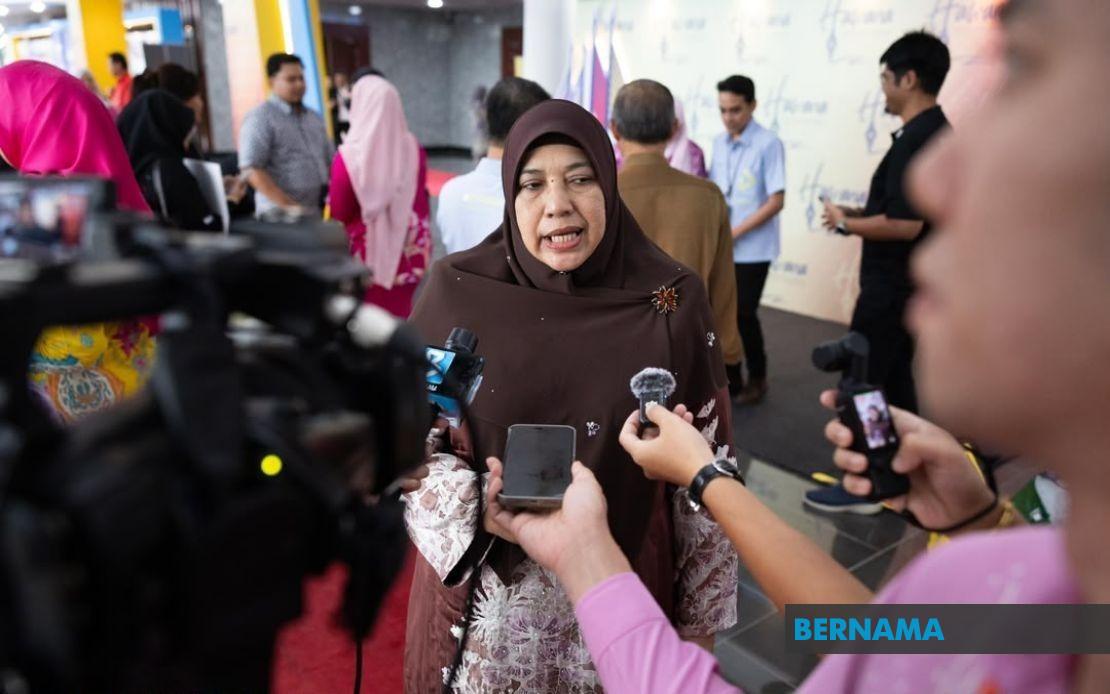
The Malaysian National News Agency (Bernama) has demonstrated its capacity to orchestrate major national events through its successful execution of the HAWANA 2026 Grand Finale, held at the PICCA Convention Centre @ Butterworth Arena in Penang. The three-day gathering, themed "Media Integrity Strengthens Credibility," brought together approximately 1,000 media practitioners and journalists, including representatives from neighbouring ASEAN nations, underscoring the regional significance of Malaysia's premier journalism commemoration.
Bernama chief executive officer Datin Paduka Nur-ul Afida Kamaludin highlighted that the agency's personnel demonstrated exceptional organisational competence by managing all aspects of the event through internally developed expertise. This achievement becomes particularly noteworthy in an environment where government agencies often rely on external contractors and specialized firms to handle complex event logistics. The decision to leverage Bernama's own talent pool reflects growing confidence in the agency's operational maturity and technical capabilities.
A defining feature of this year's HAWANA celebration was Bernama's inaugural live broadcast, produced entirely through internal production teams without external vendor involvement. The agency's creative departments managed video production using artificial intelligence technologies, while marketing teams designed posters and promotional layouts. This comprehensive in-house approach not only reduced event costs but also demonstrated that Bernama possesses contemporary media production competencies that extend beyond traditional news gathering and distribution functions.
Nur-ul Afida emphasized that the meticulous planning undertaken by various internal sub-committees proved instrumental to the event's overall success. Rather than fragmenting responsibilities across multiple external organizations, Bernama maintained operational cohesion by keeping decision-making and execution authority within its own structure. This vertical integration approach enabled rapid problem-solving and ensured brand consistency throughout all event components, from registration systems to venue management.
The gathering received distinguished patronage from Malaysia's political leadership, with Prime Minister Datuk Seri Anwar Ibrahim officiating the Grand Finale ceremony. Penang Chief Minister Chow Kon Yeow and Communications Minister Datuk Fahmi Fadzil also attended, signifying the event's strategic importance within Malaysia's media and governance framework. Such high-level participation reinforces HAWANA's status as an essential annual gathering for the journalism community.
Bernama's track record in delivering HAWANA has now extended into its sixth consecutive year as the implementing agency appointed by the Communications Ministry. This sustained responsibility reflects accumulated institutional confidence, as repeat mandates typically indicate consistent performance and stakeholder satisfaction. Nur-ul Afida expressed hope that the ministry would continue entrusting the organization with future editions, suggesting that the bar for competency continues to rise with each successfully executed iteration.
The positive reception from attending media professionals provides encouraging validation of HAWANA's value within Malaysia's journalism ecosystem. Several practitioners have already inquired about venues for the 2027 edition, indicating that interest in the event extends beyond mere attendance to anticipation of future gatherings. This sustained enthusiasm suggests that HAWANA has successfully established itself as an indispensable professional networking and development platform for Malaysia's news industry.
Bernama's leadership has signalled an intention to rotate future HAWANA editions across different Malaysian states, transforming what could be a routine annual exercise into an opportunity for journalists to explore and familiarize themselves with various regions. This approach serves dual purposes: it deepens the media community's understanding of Malaysia's geographic and cultural diversity while distributing economic benefits across different state economies through hosting arrangements.
The event's thematic focus on media integrity and credibility resonates within a broader regional context of declining public trust in journalism and rising concerns about misinformation. By positioning integrity as central to professional journalism discourse, HAWANA 2026 addressed substantive industry challenges rather than remaining purely ceremonial. This substantive engagement with professional standards reflects maturation in how the journalism community approaches self-regulation and public accountability.
The participation of ASEAN journalists represents an important recognition that Malaysia's media industry operates within a broader regional ecosystem. Cross-border professional exchange strengthens journalism standards across Southeast Asia and facilitates knowledge transfer regarding best practices in news gathering, verification, and ethical reporting. Bernama's capacity to welcome and accommodate international participants elevates the event beyond domestic significance.
For Malaysian government agencies more broadly, Bernama's successful event management demonstrates that well-resourced, strategically focused organizations can develop expertise across multiple operational domains. Rather than viewing specialized event management as a domain requiring permanent outsourcing, the Bernama model suggests that larger agencies can cultivate in-house capabilities that deliver cost savings while maintaining or exceeding quality standards achieved through external partnerships. This has potential implications for how other Malaysian government institutions approach their own major event requirements and organizational development strategies.