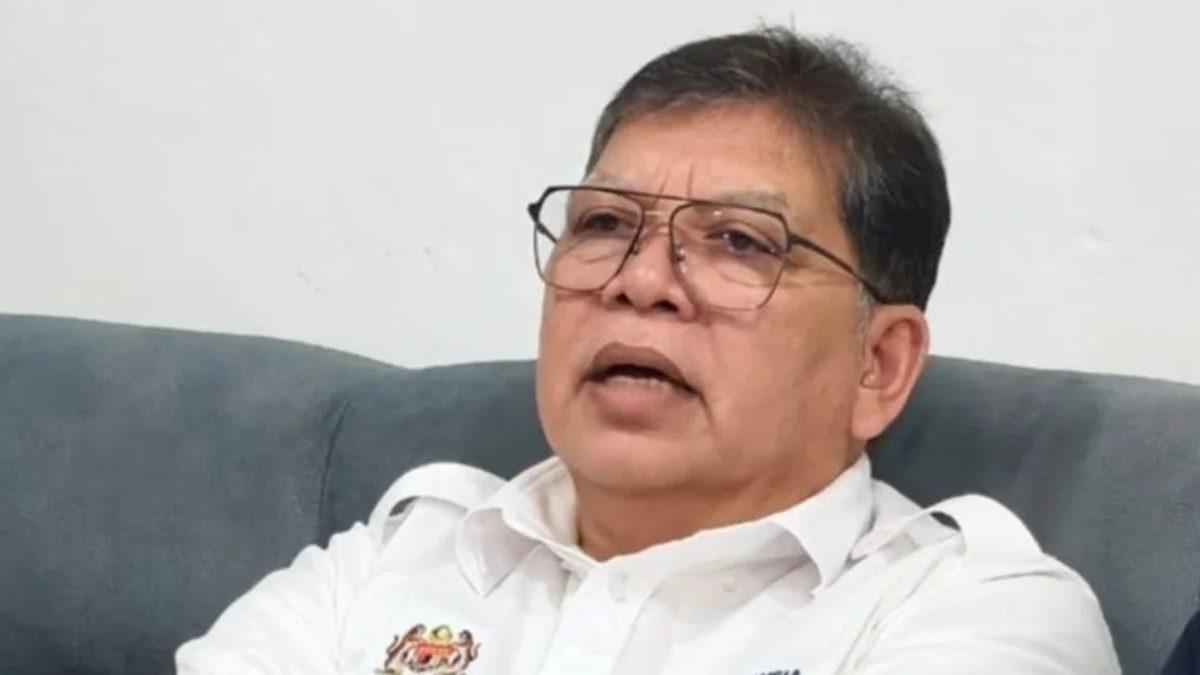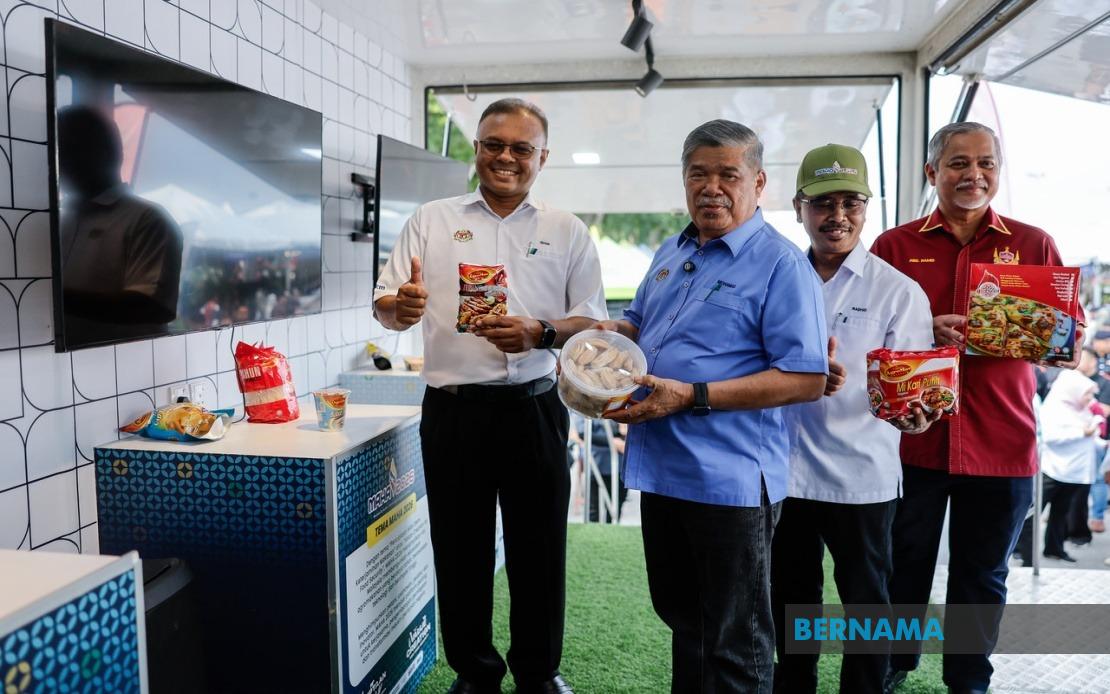
The Malaysia Agriculture, Horticulture and Agrotourism Show (MAHA) 2026 will reach a significant milestone by welcoming international exhibitors for the first time in its history, according to Agriculture and Food Security Minister Datuk Seri Mohamad Sabu. The inclusion of foreign participants represents a strategic expansion that promises to reshape the scope and impact of the biennial agricultural showcase, positioning it as a genuine cross-border platform for knowledge transfer and commercial exchange in the region.
Seven countries have already confirmed their participation in the 2026 edition, with Brazil, China, the United States, Japan, South Korea, Hungary, and China's Guangxi region committing to send exhibitors. Additional nations, including Uzbekistan, have signalled their intent to participate, though final confirmations remain pending. This geographic diversity reflects Malaysia's growing recognition as a focal point for agricultural innovation and trade within Southeast Asia, particularly given the region's escalating interest in food security challenges.
The minister articulated a compelling rationale for the international dimension during the Central Zone's Road to MAHA 2026 programme in Shah Alam. He emphasised that food security transcends national boundaries, operating as a truly interconnected challenge that demands multilateral cooperation. No individual nation can fully insulate itself from global supply chain disruptions or agricultural crises, Mohamad explained, noting that when disaster strikes one country, international partners frequently mobilise assistance and resources to provide relief.
Beyond the symbolic significance of opening MAHA's doors to foreign participants, the practical benefits for Malaysian stakeholders are substantial. Local exhibitors will gain direct exposure to cutting-edge agricultural technologies and methodologies being deployed across different climatic zones and economic contexts. This exposure is particularly valuable for Malaysian farmers and agribusinesses seeking to modernise their operations or diversify into new crop varieties and production techniques that have proven successful elsewhere in Asia, the Americas, and Europe.
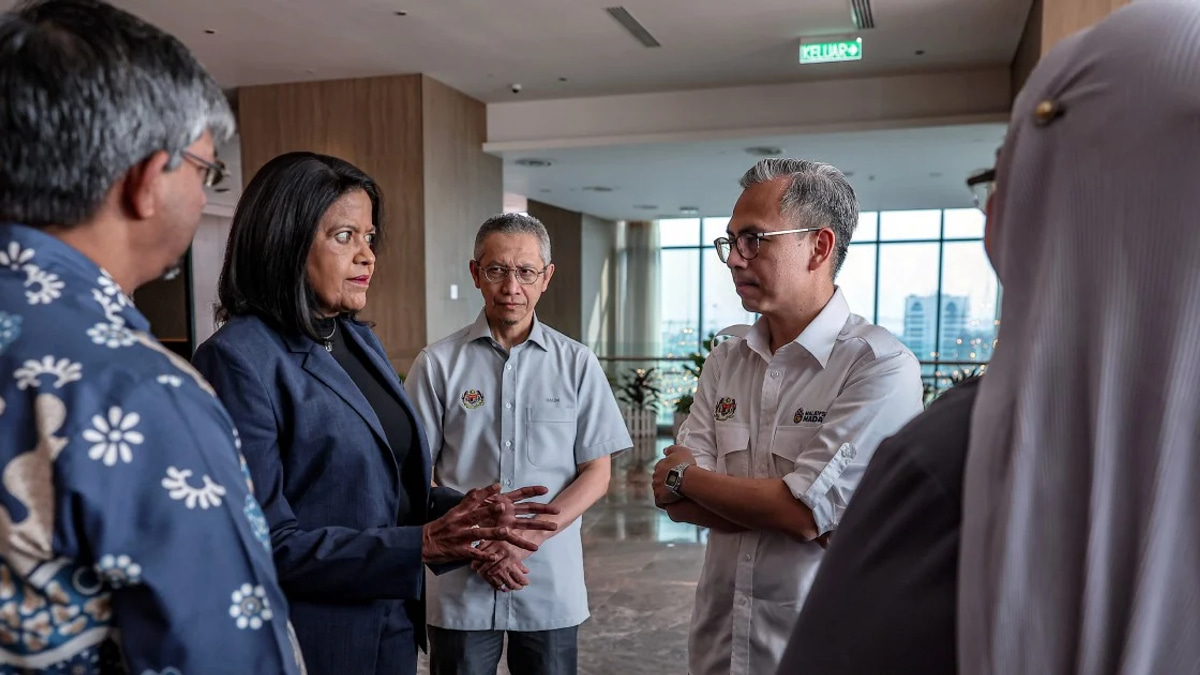
Ministry of Agriculture and Food Security secretary-general Datuk Isham Ishak elaborated on the structured mechanisms designed to capitalise on international participation. Organisers will facilitate dedicated business matching sessions, enabling local participants to establish connections with foreign counterparts for potential commercial transactions. These sessions create formal channels for Malaysian companies to explore purchasing opportunities for equipment, inputs, or technology from international suppliers, while simultaneously marketing their own products and services to foreign buyers exploring entry into Asian markets.
The bilateral flow of commerce and information is deliberately architected into MAHA 2026's design. Malaysian agricultural enterprises will access new product categories and service offerings that foreign exhibitors bring to the show, while international participants gain direct access to showcase their innovations to an audience of local farmers, processors, distributors, and government officials responsible for procurement and policy decisions. This symmetrical arrangement maximises value creation across the entire participant ecosystem.
Paralleling the international expansion of MAHA 2026, the government has launched a complementary initiative to strengthen Malaysia's agricultural infrastructure. The Surveillance and Intervention Supply Demand Agrofood system, known as SISDA, represents a technological leap forward in how policymakers monitor and respond to agricultural market conditions. The platform harnesses advanced data analytics, machine learning algorithms, and automated early warning mechanisms to generate actionable intelligence about supply fluctuations, demand patterns, and price movements across Malaysia's food sector.
SISD A's capabilities address a persistent challenge facing agricultural economies throughout Southeast Asia: the difficulty of maintaining price stability while simultaneously ensuring adequate supply and protecting farmer incomes. By aggregating real-time data from multiple sources, the system enables government intervention to be precisely targeted and evidence-based rather than reactive or politically motivated. When the platform detects emerging supply shortages, officials can implement timely measures to stabilise availability and pricing before market distortions develop.
The launch of SISDA demonstrates that Malaysia's approach to food security extends beyond international engagement to encompass sophisticated domestic monitoring and intervention. Consumers benefit from more stable retail prices, farmers receive better market signals and more predictable income streams, and agrofood industry participants can plan their operations with greater confidence in supply availability. The system essentially transforms how Malaysia governs its agricultural sector, shifting from intermittent crisis management toward continuous, data-driven optimisation.
The convergence of MAHA 2026's international dimension with SISDA's technological sophistication signals Malaysia's commitment to positioning itself as a regional agricultural innovation hub. As Southeast Asian nations grapple with climate change, population growth, and resource constraints, platforms like MAHA that facilitate technology transfer and cross-border collaboration become increasingly valuable. Malaysian farmers and agribusinesses gain access to global best practices and emerging technologies, while maintaining domestic systems that ensure their operations remain economically viable and contribute to national food security objectives.
For Malaysian visitors attending MAHA 2026, the expanded scope will offer unprecedented opportunities to compare local agricultural practices against international standards, explore emerging technologies, and establish connections with global supply chains. Students and extension officers will benefit from knowledge exchange with international experts, accelerating the professionalisation of Malaysia's agricultural workforce. The combination of foreign exhibitor participation and the newly launched SISDA monitoring system positions Malaysia to address its food security challenges more effectively while contributing to regional agricultural development and trade.