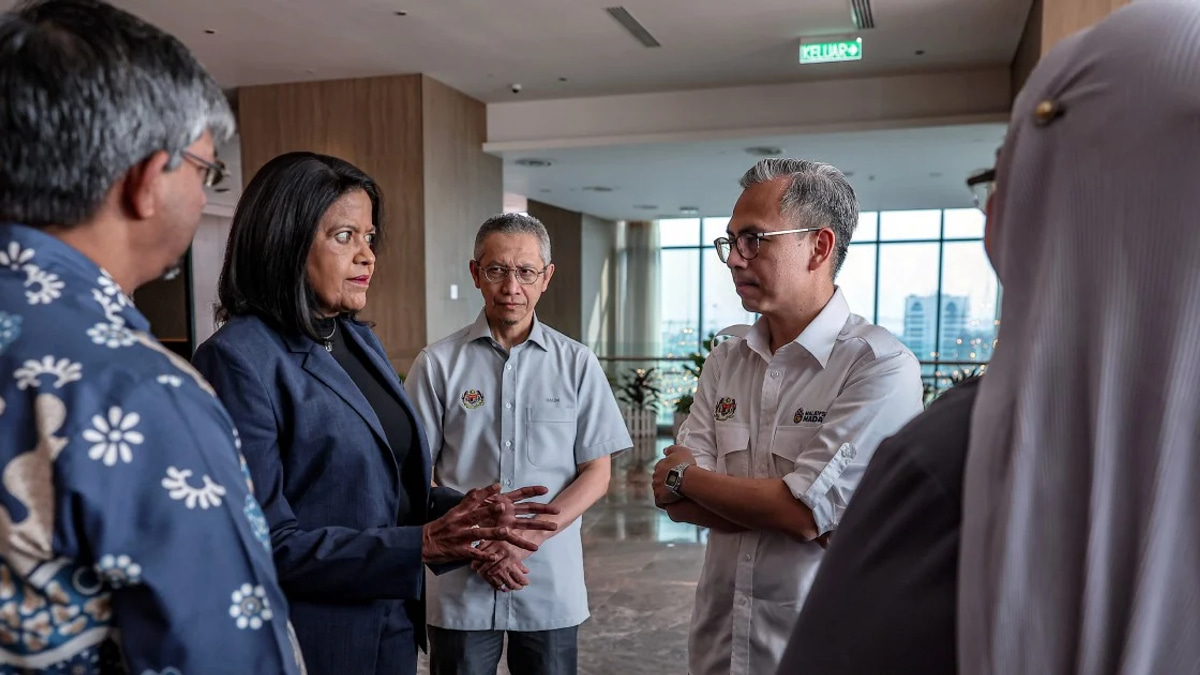
The Malaysian Communications and Multimedia Commission has moved to strengthen its digital outreach in the northern states by installing new leadership for the National Information Dissemination Centre (NADI) advisory framework. Abdullah Izhar Mohamed Yusof, Political Secretary to the Communications Minister, oversaw the appointment ceremony in Alor Setar on June 20, underscoring the federal government's commitment to embedding digital transformation across all regions and demographic groups.
This structural reinforcement reflects a broader evolution in how NADI operates beyond its original mandate. What began as a straightforward internet access initiative has matured into a comprehensive community development platform addressing skills gaps, economic opportunity, and technological literacy. The appointment of dedicated advisory panel chairmen—covering 15 parliamentary constituencies in Kedah and three in Perlis—represents an institutional acknowledgment that sustainable digital inclusion requires embedded local leadership rather than top-down service delivery alone. These chairmen will serve as crucial conduits between communities and NADI management, ensuring that grassroots voices shape programme design and implementation.
The operational footprint across both states underscores the scale of this initiative. Kedah hosts 81 NADI centres while Perlis operates 17, creating a network of 98 physical touchpoints where residents can access digital services and learning. These are not merely internet cafés; they function as comprehensive Smart Services hubs addressing entrepreneurship development, continuous learning pathways, personal wellbeing, community awareness, and the delivery of government programmes. For rural and semi-rural populations in Kedah and Perlis who may otherwise lack convenient access to digital infrastructure or training, these centres represent tangible gateways to economic and social participation in the digital economy.
International recognition has recently validated Malaysia's approach to digital inclusion through NADI. The initiative secured the World Summit on the Information Society Prize in the Capacity Building category in Geneva, marking a significant achievement in the global arena of information society development. This year brought further validation when the International Telecommunication Union designated NADI as the 16th Digital Transformation Centre globally—a prestigious classification acknowledging the centre's contribution to bridging digital divides and fostering technological capacity within communities. Such external endorsement carries practical weight, potentially attracting technical partnerships, knowledge exchange, and additional resources from international development organisations.
The tangible impact of NADI's digital empowerment framework becomes evident through emerging entrepreneurial success stories across the region. Nurul Atika Razib, proprietor of Bahtera Emas Legacy in Kedah, exemplifies the entrepreneurial pathway NADI enables; her traditional health products business has expanded significantly through digital platforms including Shopee and TikTok Shop, demonstrating how digital literacy and e-commerce access can transform cottage industries into scalable enterprises. Similarly, Hamizah Hassan's Embun Warisan Kayu initiative in Perlis showcases how heritage-based products gain market reach through digital exposure and online retail channels. These cases are not outliers but rather indicators of systematic capacity being built across the NADI network.
Beyond commercial entrepreneurship, NADI contributes meaningfully to human capital development within communities. Programmes such as Tuisyen Rakyat (People's Tuition) extend access to educational support beyond formal school systems, addressing equity concerns in academic coaching. The AI@NADI initiative explicitly positions artificial intelligence literacy as essential knowledge, offering community members and students exposure to emerging technologies that will increasingly shape employment opportunities. This educational dimension ensures that digital empowerment encompasses skill acquisition for the contemporary economy rather than limiting participation to basic connectivity.
The appointment of advisory panel chairmen operates within the broader Malaysia MADANI policy framework, which emphasises inclusive development and accessible prosperity. By institutionalising community representation through appointed chairmen, the government acknowledges that sustainable digital transformation requires local buy-in and understanding of contextual needs. These chairmen bear responsibility for coordinating local programmes, channelling community feedback upward, and expanding information dissemination about government policies and digital initiatives. Their presence at the grassroots level theoretically enhances policy responsiveness and implementation quality compared with centralised service delivery models.
For Malaysian readers in Kedah and Perlis, this institutional development carries immediate implications. Access to structured digital skills training through NADI Smart Services becomes more locally responsive as panel chairmen embed themselves within communities. Entrepreneurs gain clearer pathways to digital market integration. Students access supplementary educational resources addressing academic gaps. Government services reach populations who might otherwise face logistical barriers to accessing digital administrative platforms. The appointment of leadership structures signals a multi-year commitment to maintaining and expanding these services rather than treating them as temporary pilots.
Regionally, Malaysia's NADI model offers implications for Southeast Asian digital development strategies. The framework demonstrates that digital inclusion succeeds when conceived as community empowerment rather than mere technology deployment, when it combines access with skills training and entrepreneurial support, and when it secures institutional anchoring through appointed governance structures. The MCMC's commitment to appointing advisory leadership across constituencies suggests a willingness to vest decision-making authority with local representatives rather than concentrating all control at federal level. This distributional approach potentially offers lessons for neighbouring countries developing rural digital inclusion programmes.