Prime Minister Datuk Seri Anwar Ibrahim's two-day working visit to Kazan this month produced tangible results that position Malaysia to address mounting concerns about energy security in an increasingly uncertain global marketplace. The culmination of discussions at the 35th ASEAN-Russia Commemorative Summit yielded commitments extending far beyond conventional annual or seasonal supply arrangements, signalling a fundamental reorientation of Malaysia's energy procurement strategy towards more stable, predictable long-term frameworks with one of the world's largest hydrocarbon producers.
At the heart of the Malaysian delegation's mission lay energy security—a pressing concern that has grown more acute as geopolitical tensions, supply chain disruptions, and volatile commodity prices continue to roil global markets. Russia pledged to guarantee extended supplies of petroleum, oil, and gas to Malaysia under multi-year agreements rather than the transactional, rolling contracts that have historically dominated Malaysia's energy imports. This structural shift promises greater predictability for Malaysian refineries, power utilities, and downstream industries that depend on steady hydrocarbon flows to maintain operations.
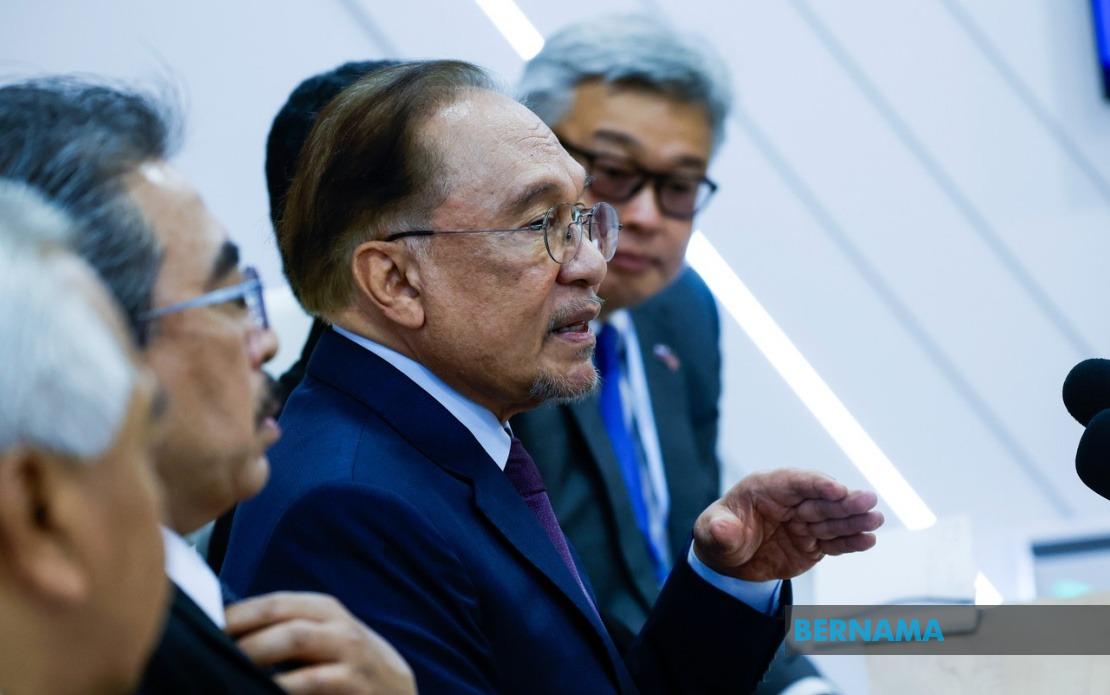
During the closing press conference, Anwar outlined the maturity of these negotiations, explaining that Russian officials and company representatives had already visited Malaysia to advance discussions. The framework governing future supplies has already secured approval in principle, with both governments having aligned on core terms and conditions. The remaining work involves formalising technical details and finalising contractual language—tasks that Anwar indicated should accelerate following his return to Kuala Lumpur. This methodical approach suggests serious commitment on both sides rather than mere diplomatic pleasantries.
The timing of this energy pivot carries considerable significance for Southeast Asia. Malaysia, as ASEAN's third-largest economy and a significant energy consumer, signals through this agreement a willingness to deepen engagement with non-Western suppliers at a moment when traditional energy partnerships face strain. By diversifying its hydrocarbon sources and extending contract horizons, Malaysia reduces vulnerability to supply shocks while demonstrating independent decision-making in its energy affairs—a posture increasingly resonant across the region.
Beyond energy, the bilateral agenda expanded substantially. Anwar met with Rais of the Republic of Tatarstan, Rustam Minnikhanov, to explore opportunities in education, tourism, the halal industry, and technology development. Tatarstan's prominence as one of Russia's major oil-producing regions lent particular weight to discussions on downstream activities, refining operations, and petrochemical manufacturing. These conversations hint at potential partnerships that could leverage Malaysian expertise in energy conversion and value-added processing.
At the regional level, the finalisation of the ASEAN-Russia Strategic Programme on Trade and Investment Cooperation 2026-2035 represents a watershed moment for Southeast Asia-Russia relations. This framework provides structured architecture for the next decade of economic collaboration at a time when ASEAN-Russia bilateral trade reached US$18.1 billion in 2024. Russia's foreign direct investment in ASEAN totalled RM367.90 million (US$92.97 million) the same year, figures that underscore growing economic interdependence despite geopolitical headwinds.
Malaysia's bilateral trade with Russia reached RM8.72 billion (US$2.04 billion) in 2025, positioning Russia as the country's ninth-largest European trading partner. Malaysian electrical and electronic products, machinery, and processed food constitute primary export items, while Malaysian importers rely heavily on Russian petroleum products, minerals, and chemicals. This complementarity—Malaysian value-added manufacturing paired with Russian resource endowments—provides a stable foundation for expanded commerce, particularly as Malaysian companies seek alternative markets beyond traditional Western partners.
Anwar's public statements during the visit emphasised a strategic reorientation in Malaysia's international economic engagement. He argued explicitly that Malaysia cannot remain constrained by excessive caution in pursuing economic partnerships with emerging markets and non-traditional allies. This rhetorical shift, coupled with concrete energy agreements, reflects confidence that diversification strengthens rather than threatens Malaysia's position. The remarks carried implicit criticism of those who counsel economic isolationism or excessive restriction of foreign partnerships on ideological grounds.
Practical measures to facilitate closer people-to-people connections featured prominently in discussions. Anwar called for visa-free travel arrangements and direct flight services between Malaysia and Russia, initiatives designed to boost tourism and cultural exchange. Such connectivity measures, though often overlooked, generate significant multiplier effects—increased tourist arrivals support hospitality, transportation, and retail sectors while fostering informal diplomatic relationships that transcend official channels.
The Prime Minister articulated an expansive vision of Malaysia-ASEAN-Russia cooperation extending into cybersecurity, agriculture, digital technology, scientific research, and higher education. These sectors represent frontiers of economic competition and technological advancement where collaboration could benefit all parties. Cybersecurity partnerships, in particular, address mutual concerns about digital threats in an era of intensifying cyber warfare. Agricultural cooperation taps Russian expertise in cold-climate farming while Malaysian expertise in tropical agriculture offers complementary knowledge.
Anwar's concluding remarks before departing for Turkmenistan framed the Kazan visit as productive while signalling that the Central Asian tour represented only an opening phase of Malaysia's energy diplomacy. Turkmenistan, another major hydrocarbon producer, featured next on the itinerary, suggesting Malaysia is conducting a systematic regional energy engagement strategy. This sequential approach—moving from Russia to Turkmenistan—indicates deliberate relationship-building rather than ad hoc negotiations, potentially opening pathways to diversified supplies from multiple Central Asian sources.
The geopolitical context underpinning these developments merits attention. Malaysia's pursuit of Russian energy supplies and expanded ASEAN-Russia cooperation occurs against a backdrop of shifting global alignments and intensifying great power competition. By cementing energy relationships with Russia while maintaining existing Western partnerships, Malaysia navigates a delicate balancing act—acknowledging realities of resource interdependence while resisting pressure to choose singular blocs in an increasingly fragmented international system. This pragmatic approach reflects Southeast Asian preferences for hedging rather than alignment.
For Malaysia specifically, these energy agreements offer immediate benefits and long-term strategic insurance. Immediate benefits include stabilised energy costs and reduced supply vulnerability during volatile market periods. Longer-term insurance derives from ensuring that hydrocarbon-dependent industries—petrochemicals, power generation, transportation—maintain reliable inputs for decades ahead. As global energy markets undergo transition towards renewable sources, securing extended supplies of conventional fuels provides a bridge period during which Malaysia can gradually shift infrastructure and consumption patterns while maintaining economic stability.