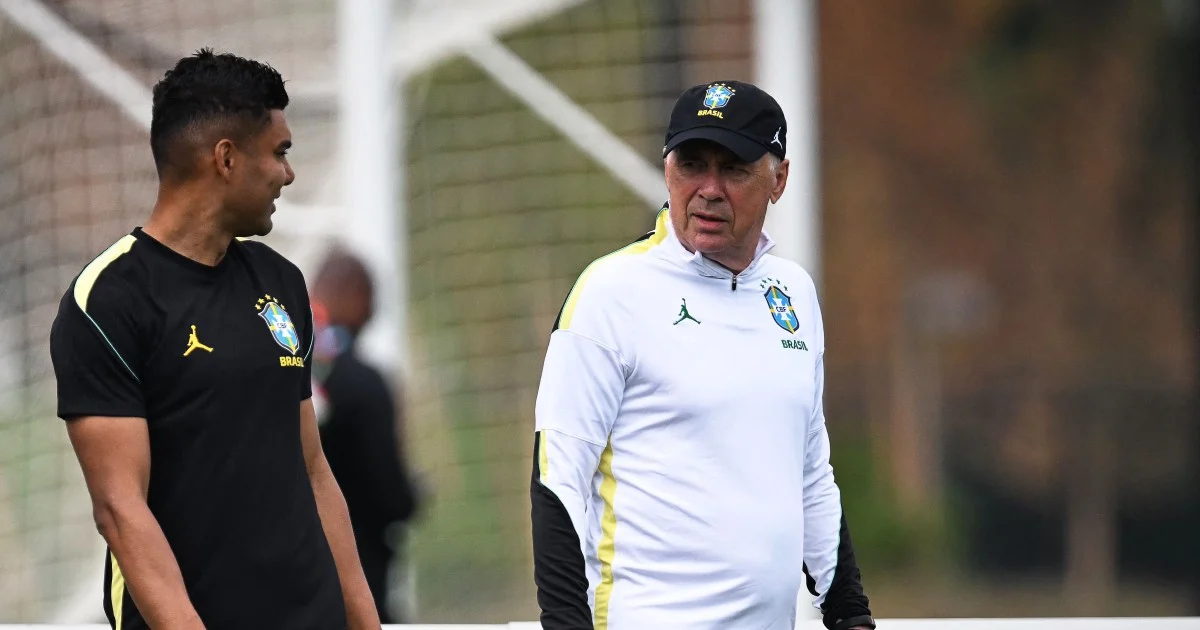
Carlo Ancelotti showed no signs of alarm in the aftermath of Brazil's opening World Cup fixture, which ended in a 1-1 stalemate against Morocco in Philadelphia. Rather than succumbing to the pressure that often accompanies a less-than-ideal start to a tournament, the seasoned Brazilian coach adopted a measured approach, framing the disappointing result as a learning experience rather than a cause for despair. His philosophical outlook provided reassurance to supporters concerned about the trajectory of their team's campaign, setting a steadying tone ahead of the critical Group C encounter with Haiti.
The Morocco match had exposed several tactical vulnerabilities that Brazil's coaching staff and players will need to address urgently. The team struggled to impose its customary dominance in midfield, allowing the North African side to compete effectively in key areas of the pitch. Their attacking play, typically a hallmark of Brazilian football, lacked the fluidity and penetration expected from a squad brimming with world-class talent. These issues represented the kind of fundamental problems that, if left unresolved, could derail their ambitions in the tournament. Yet Ancelotti's calm demeanor suggested confidence that such issues were correctable with proper analysis and adjustment.
The Friday meeting with Haiti offered Brazil a critical opportunity to reset and demonstrate the quality expected from one of world football's traditional powerhouses. This fixture presented a chance to rebuild momentum and confidence among a squad that included some of the most creative and prolific attackers in international football. Against an opponent playing in their first World Cup appearance since 2010, Brazil could expect to enjoy significantly more possession and attacking opportunities than they had managed against Morocco's organised defensive approach. The context of facing a team less accustomed to World Cup competition provided an ideal setting for the Seleção to reassert control and operational superiority.
Ancelotti's extensive experience managing elite clubs across Europe meant he understood the psychological importance of responding positively to setbacks at tournament level. Having guided teams through pressure situations at the highest levels of club football, he recognised that overreacting to one indifferent performance could undermine team morale and create an atmosphere of anxiety. Instead, his composed messaging after the Morocco draw conveyed belief in the squad's capabilities and the adjustments required. This leadership approach, while not universally appreciated by anxious supporters, reflected the kind of strategic thinking that often distinguishes successful tournament campaigns from those derailed by panic.
Brazil's attacking personnel possessed sufficient quality to expose weaknesses in most defensive setups at the World Cup. Players tasked with creating chances and finding the back of the net had proven themselves capable of decisive moments in major competitions. However, their ability to perform would depend partly on the operational improvements the coaching staff could implement, particularly regarding movement patterns, positioning, and the coordination between defensive and attacking phases. The Haiti match would serve as a barometer for whether these adjustments had been absorbed and could be executed effectively.
The Group C dynamics also meant that Brazil could ill afford another disappointing result. While a second consecutive draw would not mathematically eliminate them from advancing, it would place additional pressure on subsequent matches and potentially determine their seeding in the knockout stages. Haiti represented a fixture where Brazil's superior resources and experience should prove decisive. Failing to capitalise against such an opponent would compound concerns about the consistency and quality of their play throughout the tournament.
Ancelotti's record managing major tournaments and leading multiple clubs to success across different leagues suggested he possessed the tactical flexibility to identify and correct weaknesses. His reputation for calm analysis under pressure meant his team would likely respond to his instructions with focus and purpose. The coaching staff's ability to make strategic adjustments between matches, while sometimes constrained by limited preparation time, could determine whether Brazil's vulnerabilities against Morocco represented a pattern or merely an aberration.
The broader context for Brazilian football at this tournament also mattered. The nation carried expectations borne from their World Cup pedigree and the quality of talent within their squad. Supporters and media observers would scrutinise not just results but the quality of performances and the style of play. A convincing victory over Haiti would provide necessary reassurance that the team possessed the requisite cohesion and quality to compete effectively against stronger opponents in later rounds.
Ancelotti's studied approach to the Morocco disappointment reflected confidence that the tournament remained very much alive for his side. His refusal to engage in panic represented not complacency but faith in the process of improvement and adjustment. The Haiti match would test whether that confidence was justified and whether his team could translate recent analysis into concrete performance improvements on the pitch.