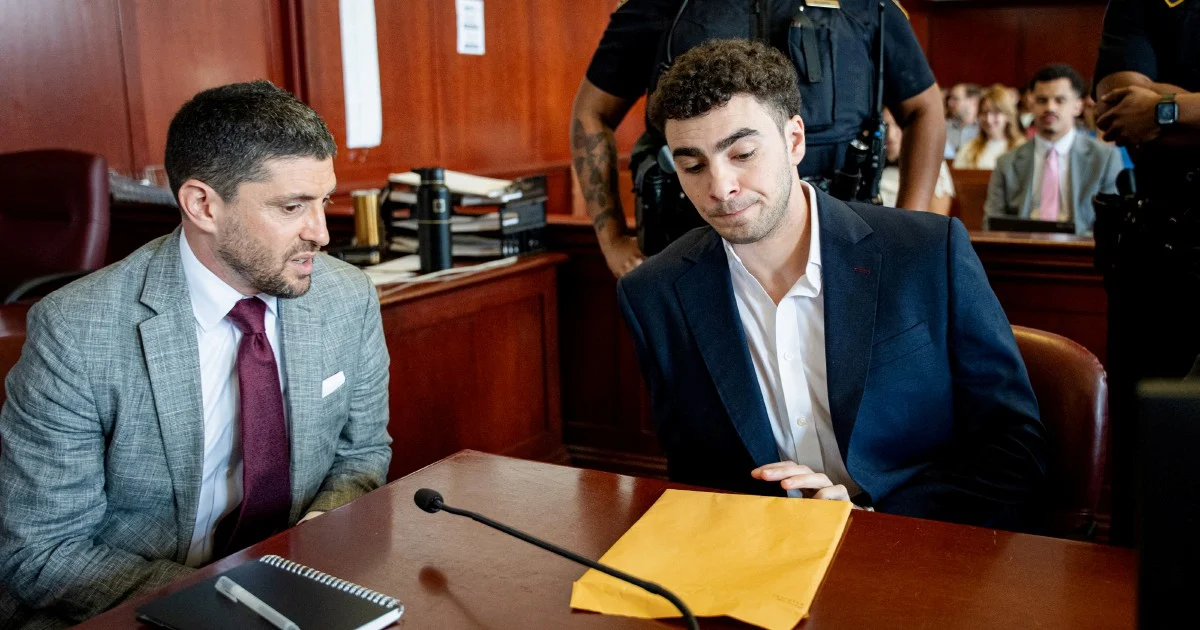
Luigi Mangione, the man facing charges in the fatal shooting of UnitedHealthcare CEO Brian Thompson on a Manhattan sidewalk, has decided to shelve plans for now to present evidence of acute mental health turmoil as part of his defence strategy. This tactical shift emerged from a court filing submitted on Friday, signalling a change in the legal approach his defence team intends to pursue as the high-profile case moves forward through New York's court system.
The decision to defer a mental health-based defence represents a significant strategic calculation by Mangione's legal team. Rather than immediately building a narrative around psychological distress as a mitigating factor or potential defence component, the defence has opted for a more cautious approach at this stage of proceedings. This choice may reflect assessments about the strength of available evidence, the timing of trial preparation, or broader tactical considerations about how to position the case in the court of public opinion and before a jury.
Mental health defences in high-profile criminal cases present complex challenges for defence counsel. Evidence of psychological crisis or mental illness can cut both ways—it may humanise a defendant and suggest diminished capacity, yet it can also reinforce perceptions of danger or unpredictability. The deliberate decision to withhold such evidence from the immediate phase of the trial suggests confidence in alternative lines of argument or uncertainty about how psychiatric evidence would be received.
The Thompson killing captured national attention not only because of the victim's prominent position in America's controversial health insurance industry but also because of the circumstances surrounding the investigation and the public response. The shooting, which occurred in Manhattan's busy commercial district, prompted intense media scrutiny and raised broader conversations about frustration with the American healthcare system. Mangione's arrest drew both supporters and critics, with some viewing him as a symbol of public anger over insurance denials and healthcare access, while others condemned the violence unequivocally.
For Malaysian and Southeast Asian observers, this case illuminates how criminal defence strategies evolve in high-visibility cases within the American legal system. The decision to temporarily shelve mental health evidence underscores how defence teams must balance compassion, credibility, and courtroom tactics. It also reflects the broader tension between presenting psychological context and avoiding narratives that might prejudice a defendant in the eyes of jurors.
The filing's timing suggests that Mangione's legal team is still assessing the full scope of available psychological and psychiatric evidence. They may be awaiting further evaluations, expert assessments, or developments in the broader legal landscape before committing to a defence strategy centred on mental health claims. This gradualist approach provides flexibility as discovery continues and as the defence gathers additional information about the prosecution's evidence and theory of the case.
Mangione's case has unfolded amid unprecedented public attention to issues surrounding health insurance administration and the human cost of coverage denials. The UnitedHealthcare CEO's death sparked conversations throughout the United States about systemic frustrations within the insurance sector. Yet despite this context, the legal proceedings themselves must focus on the specific facts, evidence, and applicable law governing the charges against Mangione. The voluntary withdrawal of mental health evidence does not preclude its later introduction should circumstances change or strategic calculations shift.
The mechanics of criminal procedure in New York allow defence teams to adjust their approaches as cases progress through discovery, preliminary hearings, and motion practice. Courts generally permit latitude in how defendants present their cases, provided that decisions fall within ethical boundaries and procedural rules. By deferring rather than abandoning the mental health strategy, Mangione's counsel preserves the option to introduce such evidence at trial if doing so appears strategically advantageous.
This legal manoeuvre also reflects practical realities about burden and proof in criminal cases. While the prosecution must prove guilt beyond reasonable doubt, a mental health defence typically requires the defence to present expert testimony and documentary evidence substantiating claims about the defendant's psychological state. Marshalling such evidence demands significant preparation, expert coordination, and careful presentation. A temporary withdrawal provides time to refine this evidence package and ensure its persuasiveness.
The implications of this decision extend beyond Mangione's individual case. High-profile criminal matters often establish precedents in how defence teams manage complex psychological and psychiatric elements. Other defence counsel will observe how Mangione's legal team ultimately handles mental health questions and what outcomes result from their strategic choices. The case continues to evolve, and the eventual trial outcome will likely influence how future cases involving mental health considerations are structured and presented.
Looking ahead, as the case progresses toward trial, Mangione's defence may revisit this decision. New information, expert findings, or changes in the legal landscape could prompt reconsideration. The current filing represents a snapshot of the defence strategy at a particular moment, not necessarily a definitive conclusion about how mental health evidence will feature in the ultimate trial presentation. The case underscores the dynamic nature of criminal defence work and the careful calculations defence teams must make when preparing complex, high-visibility matters.