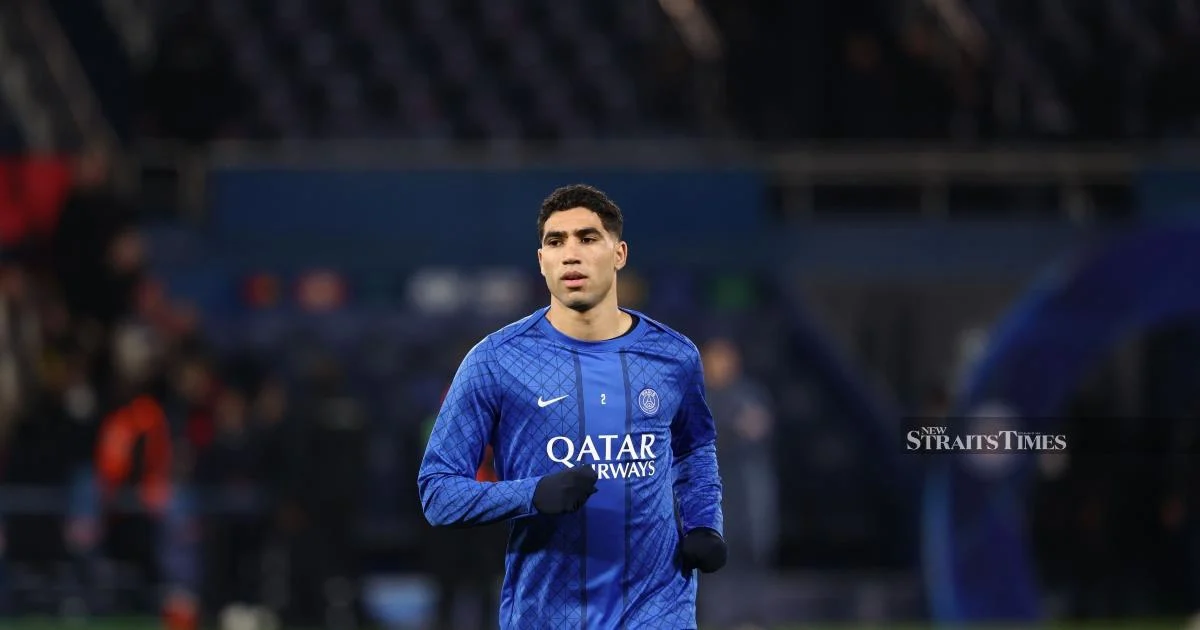
Moroccan international defender Achraf Hakimi will proceed to trial following a decision by the Versailles appeals court on Friday that upheld charges against the Paris Saint-Germain player. The court's confirmation means the footballer faces a formal trial on allegations of sexual assault involving a young woman, escalating an investigation that has drawn international attention to the sport.
The ruling represents a critical juncture in legal proceedings that have unfolded over recent months. By sustaining the charges against Hakimi, the appellate judges determined that sufficient evidence exists to warrant a full trial rather than dismissal at the investigative stage. This decision indicates French authorities believe the allegations merit judicial examination before a trial court, where both the prosecution and defence will present their complete cases.
Hakimi, widely recognised as one of the world's elite full-backs, has built a remarkable career across European club football, accumulating numerous accolades and a substantial following. His status as a prominent figure in international sport—representing Morocco at the highest levels of competition—has amplified the public and media scrutiny surrounding these legal proceedings. For Malaysian football fans and observers, the case underscores how serious allegations can affect athletes regardless of their professional achievements or international standing.
The implications of this development extend beyond Hakimi personally, touching upon broader questions about accountability within professional football. European regulatory bodies and clubs have increasingly faced pressure to address misconduct allegations with transparency and appropriate consequences. This legal process will likely influence discussions about player conduct, club responsibilities, and the mechanisms through which allegations are investigated and adjudicated.
From a Southeast Asian perspective, the case highlights the international nature of modern football—where Asian nations' players and interests frequently intersect with European leagues and legal systems. Malaysian football stakeholders, whether officials, club administrators, or supporters, can observe how established legal frameworks in developed nations handle serious allegations against prominent athletes, potentially informing domestic approaches to similar issues.
The trial itself will now follow the French legal system's established procedures, where evidence will be examined and testimonies heard in court. Both the prosecution and Hakimi's legal team will have opportunities to present their arguments comprehensively. The process could extend over an extended timeline, typical of complex cases involving sexual assault allegations in the French jurisdiction.
For PSG and the Moroccan national football federation, the unfolding situation presents organisational challenges. Clubs must navigate contractual, competitive, and reputational considerations while legal proceedings unfold independently. Similarly, national football associations face questions about player selection and team representation when players face serious legal charges.
The appeals court's decision to uphold charges reflects judicial assessment that the allegations contain credibility sufficient for trial. This contrasts with cases where investigative stages conclude with dismissal or insufficient evidence findings. The court's affirmation suggests examining magistrates identified reasonable grounds to believe the alleged offence occurred.
Within global football discourse, high-profile legal cases involving players generate debate about due process, presumption of innocence, and appropriate consequences. The Hakimi case will likely feature prominently in discussions about how the sport addresses alleged misconduct, particularly regarding players with significant commercial value and international prominence.
The upcoming trial will demand substantial public attention, given Hakimi's profile and the serious nature of charges. Media coverage across multiple continents will track developments, influencing perceptions of both the player and French judicial proceedings. For Malaysian audiences with interest in international football, the case represents a significant legal and sporting narrative.
As trial preparations commence, questions remain regarding timeline, evidence disclosure, and eventual judicial determination. The process will unfold according to French legal conventions, with decisions made by examining judges and trial court officials based on presented evidence. Throughout these proceedings, Hakimi maintains legal rights including presumption of innocence until conviction.
The Versailles court's decision establishes that Moroccan football's dispute with allegations will proceed through formal judicial channels rather than remaining in investigative stages. This progression marks a definitive moment, moving the matter toward resolution through trial proceedings where courts will ultimately determine factual matters and legal culpability.