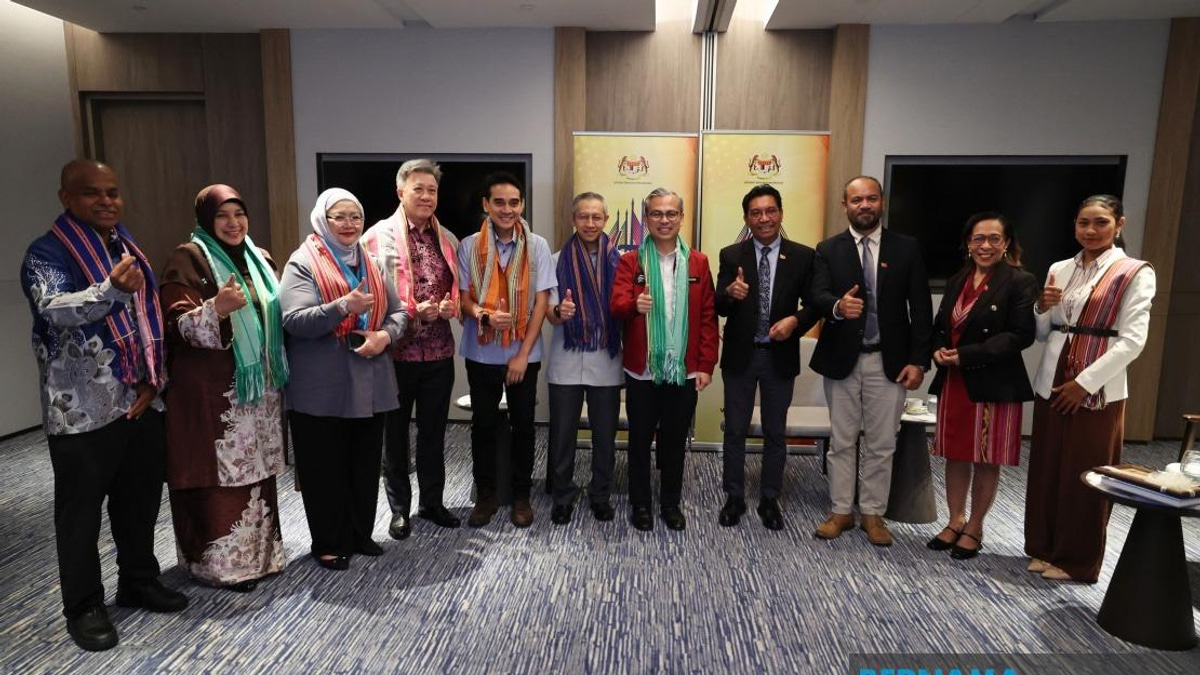
The MADANI Government has taken a significant step towards embedding itself deeper into communities across two northern states, formally inducting 95 community leaders into a structured communication network. The appointment ceremony in Alor Setar saw 68 leaders from Kedah and 27 from Perlis receive their official letters, marking an expansion of an initiative designed to bridge the gap between policy makers and ordinary citizens.
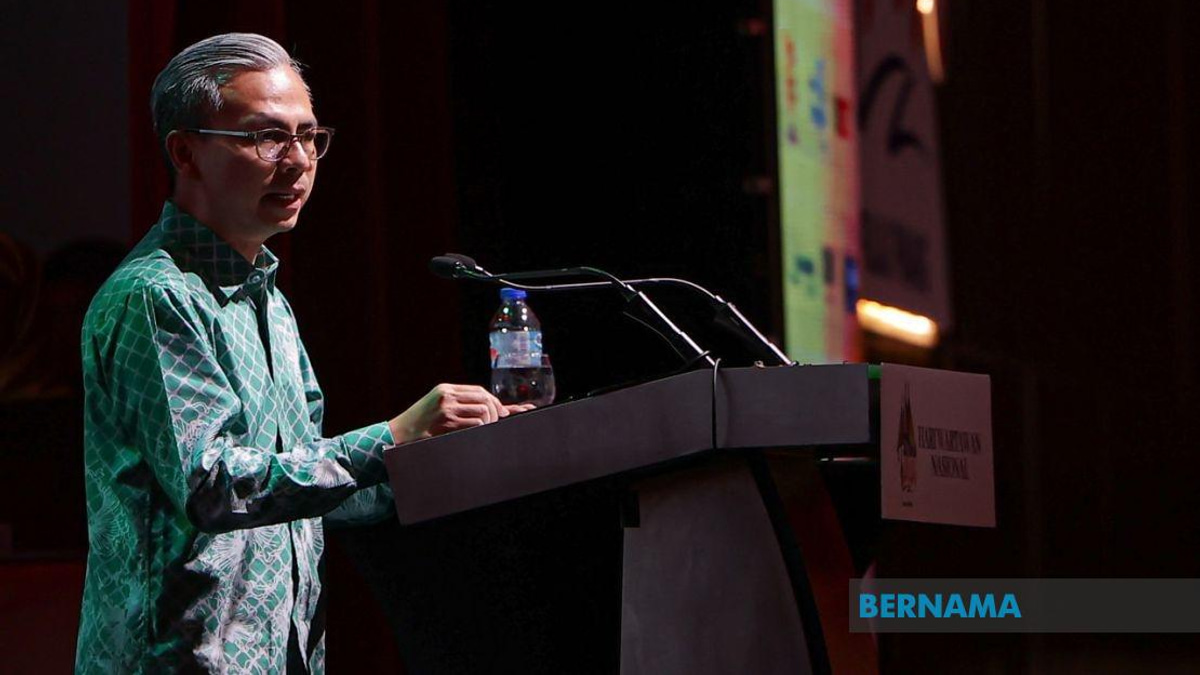
Abdullah Izhar Mohamed Yusof, the Political Secretary to the Communications Minister, framed the appointments as more than a bureaucratic exercise. He articulated a vision of communication that goes beyond merely broadcasting government messages, instead emphasising the need for information to be comprehended, trusted, and ultimately acted upon by the public. This distinction is crucial in understanding the government's evolving approach to how it relates to constituents in an era of information saturation and competing narratives.
The role of these newly appointed community leaders extends well beyond serving as passive conduits for official announcements. They function as multifaceted agents embedded within their neighbourhoods, tasked with listening to local grievances, understanding community needs, and explaining government policies in ways that resonate with diverse audiences. By positioning themselves as "eyes, ears and voice" connecting citizens to government institutions, these leaders are expected to create feedback loops that inform development planning and policy refinement at higher levels.
A critical function of these community leaders involves ensuring that targeted welfare programmes reach their intended beneficiaries efficiently. Schemes such as Sumbangan Tunai Rahmah (STR), Sumbangan Asas Rahmah (SARA), and Budi MADANI support programmes depend on accurate information dissemination and proper targeting to avoid duplication or leaving vulnerable groups behind. The appointment of dedicated community liaisons suggests the government recognises that distributing aid effectively requires more than administrative mechanisms—it requires trusted local voices to guide eligible recipients through application processes and eligibility requirements.
Prime Minister Datuk Seri Anwar Ibrahim's administration has made effective communication a stated priority, viewing it as essential to ensuring public understanding and uptake of government initiatives. This strategic emphasis reflects recognition that policy success often hinges not merely on the quality of the initiative itself, but on how well it is explained and how successfully officials counter misperceptions about its implementation. The MADANI Community leader initiative represents an institutional investment in this communication philosophy.
Increasingly, the government's communication challenges emanate from the digital realm, where misinformation spreads rapidly and with alarming sophistication. Abdullah Izhar identified this as a central concern, highlighting the rise of artificial intelligence-generated content, including deepfake technology, which can produce convincing videos indistinguishable from authentic recordings. This technological reality presents genuine security and social stability risks, as false or manipulated footage can rapidly fuel public confusion, panic, or social division before traditional fact-checking mechanisms can operate.
The appointment of digital literacy agents addresses a gap in Malaysia's current information ecosystem. Beyond combating deepfakes and AI-generated misinformation, community leaders are positioned to help educate residents about online scams, cyberbullying, and how to verify information before amplifying it through their own social networks. For many Malaysians, particularly in smaller towns and rural areas covered by Kedah and Perlis, community leaders may represent more accessible and trustworthy sources of digital guidance than government websites or official social media accounts.
The initiative also reflects lessons learned from previous communication failures in Malaysia and across Southeast Asia, where poorly communicated or misunderstood policies have generated unnecessary public anxiety and eroded trust in institutions. By establishing a formal network of trained communicators throughout communities, the government aims to reduce the space that alternative narratives and opposition messaging might otherwise occupy. This is particularly relevant during election periods and moments of policy transition when information flows intensify.
For residents in Kedah and Perlis, the presence of these MADANI Community leaders should theoretically make government services more accessible and comprehensible. However, the success of the initiative will ultimately depend on how these individuals are trained, supported, and held accountable. Without adequate resources, continued guidance, and genuine responsiveness from government institutions to feedback they generate, these leaders risk becoming mere propagandists rather than genuine bridges between communities and administration. The coming months will reveal whether this appointment represents meaningful institutional reform or primarily a communication rebranding exercise.