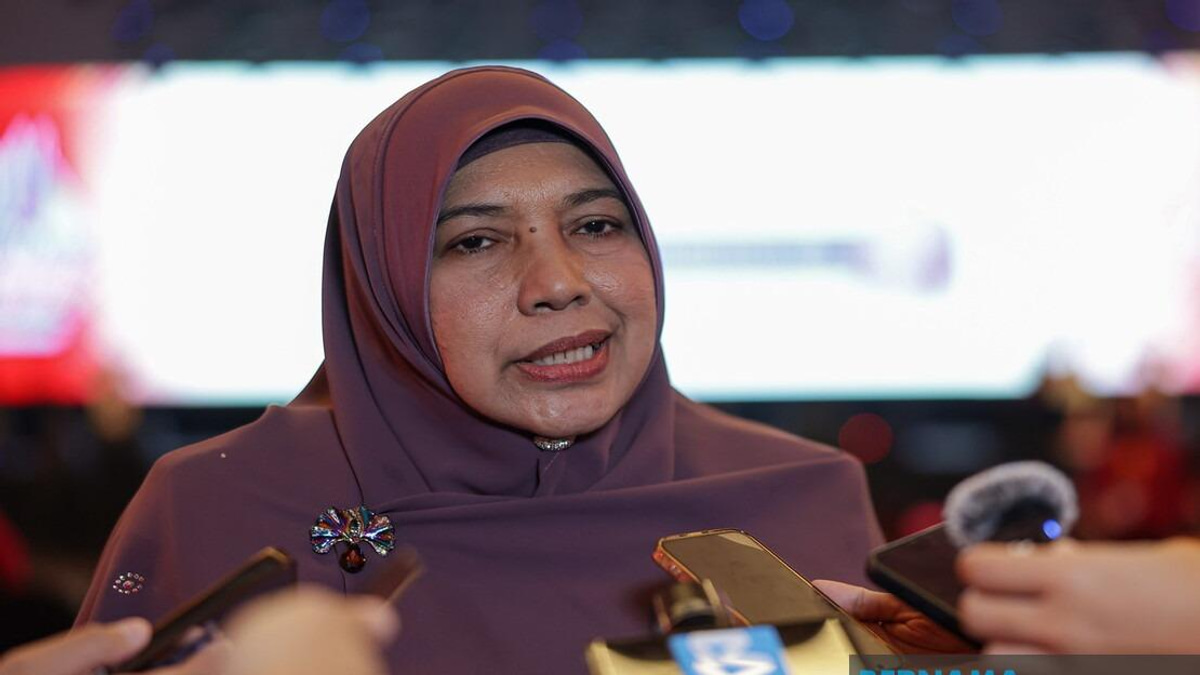
Hannah Yeoh, Minister in the Prime Minister's Department (Federal Territories), has reinforced the need for rigorous maintenance and upkeep standards throughout Putrajaya, emphasising that cleanliness and visitor safety cannot be compromised regardless of operational challenges. Her remarks come as the federal administrative capital continues to experience sustained growth in tourist arrivals and local foot traffic, placing increasing pressure on facilities management across the carefully planned city.
The minister's call for tighter oversight reflects growing awareness within government circles that Putrajaya's carefully curated image as a modern, well-maintained seat of federal administration depends fundamentally on consistent execution of facility standards. As a destination that attracts both domestic and international visitors alongside the tens of thousands of civil servants and contractors who work there daily, the city faces unique operational demands that require coordinated, disciplined management across multiple agencies.
Putrajaya has undergone substantial evolution since its inception as Malaysia's federal administrative centre. Originally conceived as a symbol of national progress and technological advancement, the city has matured into a complex urban environment serving administrative functions while simultaneously operating as a major tourist attraction. This dual role creates competing pressures: maintaining the pristine, forward-looking aesthetic expected by international visitors while managing the practical realities of a working government capital where thousands of daily transactions occur.
The maintenance challenge extends beyond simple housekeeping. Public facilities, parks, administrative buildings, and recreational areas must be managed to standards that reflect Malaysia's development aspirations while remaining cost-effective for long-term sustainability. Poor maintenance or visible neglect risks damaging both Putrajaya's international reputation and public confidence in government institutions housed there. For Malaysian observers, the state of Putrajaya often serves as a barometer of broader government competence and commitment to public service delivery.
Visitor numbers to Putrajaya have shown resilience and growth following the pandemic recovery period, with tourists drawn to landmarks including the Putra Mosque, Perdana Putra, the Iron Mosque, and the city's extensive public spaces and gardens. This influx generates economic activity through hospitality and services while simultaneously placing strain on maintenance schedules and facility upkeep. Managing this balance requires coordinated effort from multiple stakeholders including the Putrajaya Corporation, federal agencies, and contractors responsible for different sectors of the city.
Yeoh's emphasis on standards without exception signals an expectation that facility managers cannot cite resource constraints or scheduling difficulties as reasons for lapses in cleanliness or safety protocols. This zero-tolerance messaging aims to establish clear accountability measures while ensuring that responsibility for maintenance failures cannot be deflected between agencies or attributed to systemic ambiguity. Clear ministerial direction of this kind typically translates into intensified oversight and potentially revised resource allocation to prioritise maintenance functions.
The broader context of this directive reflects evolving approaches to urban governance in Malaysia, where federal showcase cities like Putrajaya face heightened scrutiny regarding their operational performance. Unlike municipalities that serve primarily functional roles, Putrajaya carries symbolic weight as a representation of national governance and administrative prowess. Deterioration in facility standards thus carries implications beyond mere inconvenience, potentially affecting perceptions of institutional competence among both domestic and foreign observers.
For Southeast Asian readers, Putrajaya's maintenance challenges mirror those confronting other regional capital cities experiencing rapid visitor growth. Bangkok, Singapore, and other Southeast Asian administrative centres have similarly navigated tensions between maintaining pristine public spaces and managing the operational realities of high-traffic environments. Malaysia's approach, emphasising ministerial accountability and explicit standards enforcement, offers one model for addressing these competing demands.
The minister's statement likely signals imminent reviews of maintenance contracts, facility management protocols, and resource allocation within agencies responsible for different sectors of Putrajaya. Enhanced monitoring mechanisms and clearer performance indicators may follow, establishing measurable benchmarks against which facility managers can be assessed. Such administrative tightening aims to prevent the gradual degradation that often occurs when oversight becomes diffuse or accountability mechanisms weaken.
Looking forward, sustained pressure to maintain high standards in Putrajaya will require ongoing investment in facility management infrastructure, staff training, and preventive maintenance programmes. The city's continued evolution as both administrative centre and tourist destination means that cleanliness and safety standards directly affect Malaysia's international image and the experience of millions of annual visitors. Yeoh's uncompromising stance on maintenance standards thus reflects recognition that deferred maintenance and gradual deterioration pose greater long-term costs than investment in consistent, high-quality facility management from the outset.