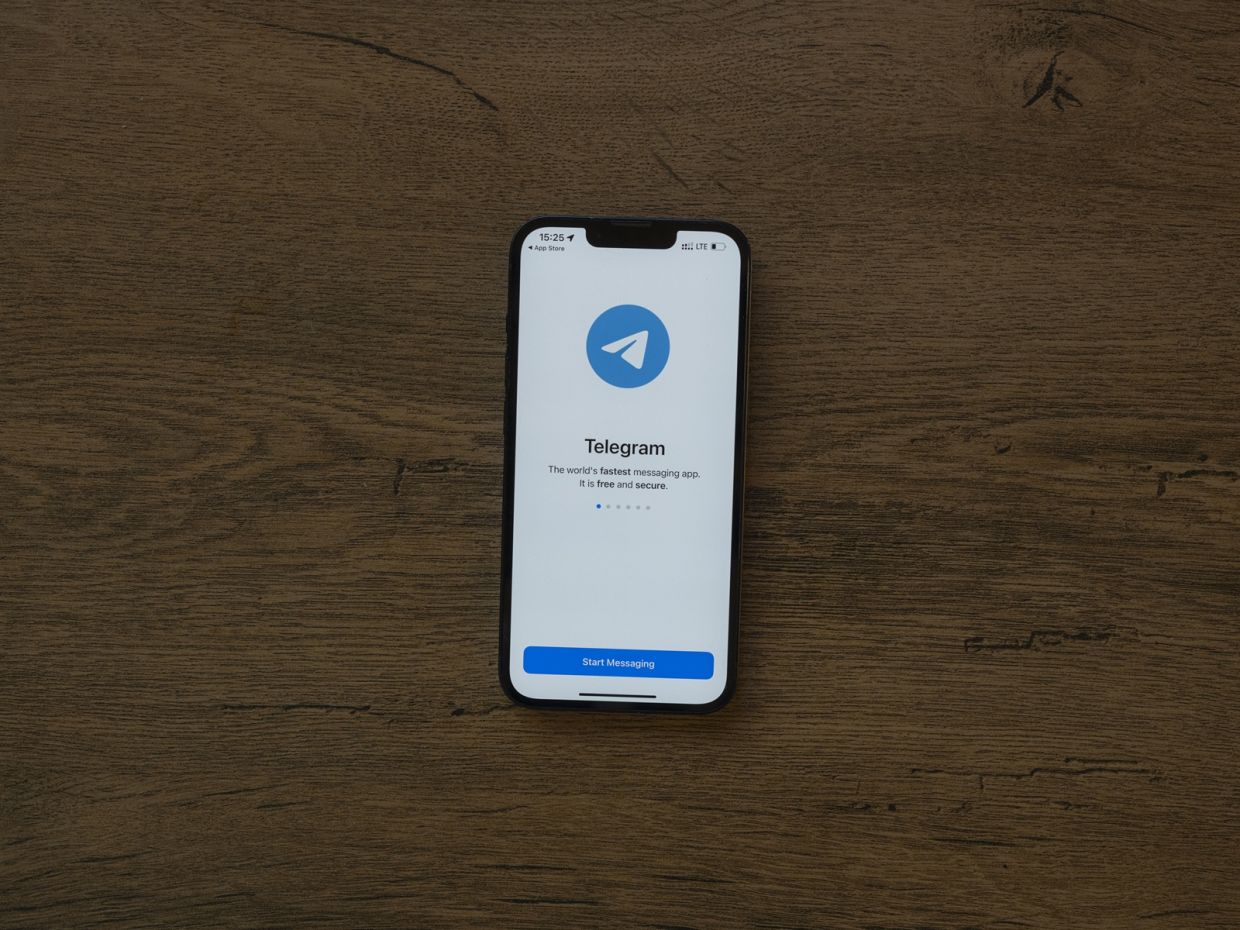
Telegram, the encrypted messaging application that has become synonymous with circumventing government control, finds itself increasingly hemmed in by regulatory authorities across the globe. Valued by activists, journalists and ordinary users seeking privacy from authoritarian regimes, the platform has simultaneously emerged as a conduit for criminal activity, terrorist coordination, and the spread of false information. This paradox has triggered a series of bans, restrictions and legal actions from governments spanning continents, reflecting a broader tension between digital privacy rights and state security concerns that resonates deeply in Southeast Asia's rapidly digitising societies.
India's decision this week to temporarily suspend Telegram until June 22 represents the latest and most consequential blow to the platform's operational freedom. The nation, home to more than 150 million Telegram users and among the app's most significant markets globally, took action following revelations that fraudsters had exploited the platform to sell counterfeit copies of examination materials to medical college entrance exam candidates. The National Testing Agency discovered that perpetrators had peddled fake "leaked" questions to desperate students and their families, prompting authorities to invalidate the entire May examination and schedule a fresh test for the following Sunday. The decision has ignited considerable anger among young people, many of whom view the government as culpable for systemic mismanagement of the testing infrastructure rather than placing blame solely on the messaging platform.
Pavel Durov, Telegram's founder, responded to the Indian ban by publicly contesting its proportionality on the social media platform X. Durov argued that suspending the entire application punished millions of innocent users while leaving the actual perpetrators of fraud untouched. He further emphasised that Telegram had proactively removed hundreds of channels connected to examination materials and related schemes within India, demonstrating the company's commitment to addressing the underlying problem. This defence reflects a recurring theme in disputes between Telegram and governments: disagreement over who bears responsibility for user-generated malfeasance on an open platform. The tension mirrors debates playing out across Southeast Asia, where regulators increasingly demand that technology companies assume greater accountability for content posted by users beyond their direct control.
Russia's experience with Telegram illuminates the cat-and-mouse dynamics of tech regulation in authoritarian contexts. In 2018, Russian courts sanctioned a government blockade after Telegram refused to surrender encryption keys that would have granted security services access to users' private communications. Durov, who had departed Russia in 2014, made clear that the platform's technical architecture rendered such compliance impossible. Yet the ban encountered unexpected obstacles: Telegram remained so deeply embedded within Russian government operations that the Kremlin faced practical difficulties implementing the restriction. By 2020, Russia relented, claiming Telegram had agreed to bolster efforts against extremist content. That détente proved temporary. As Russia's military operations in Ukraine intensified, the government renewed suppression efforts, accusing Telegram of harbouring fraud, terrorism and criminal networks. Durov countered that Moscow sought merely to drive users toward state-controlled alternatives designed for "surveillance and political censorship." Today, Telegram is effectively inaccessible to most Russians, though workarounds remain available.
Ukraine's relationship with Telegram exemplifies the app's contradictory role in contemporary geopolitics. During Russia's invasion, the platform became indispensable for millions of Ukrainians seeking real-time intelligence about impending attacks, locating food supplies, accessing medical services, and maintaining contact with displaced families. Simultaneously, Ukrainian officials grew alarmed that Russian actors exploited Telegram to disseminate disinformation and coordinate intelligence gathering. In response, Ukrainian authorities in 2024 prohibited military personnel, government officials, and workers in critical infrastructure from accessing Telegram on work devices, citing national security imperatives. Some Ukrainian officials have advocated for mandatory disclosure requirements forcing Telegram to reveal the identities of administrators controlling large anonymous channels, a proposal that underscores the challenge of balancing transparent governance with security necessities.
Europe has emerged as another major battleground in the struggle to constrain Telegram's operations. Norway's justice ministry issued formal guidance in 2023 advising state officials to remove Telegram and TikTok from work devices, characterising both applications as national security threats. France took far more aggressive action: authorities apprehended Durov upon his arrival in the country in 2024 and initiated criminal proceedings against him, alleging he had failed to prevent multiple categories of illegal activity—encompassing child sexual exploitation, narcotics trafficking, and online hate crimes—from flourishing on the platform. Durov faced restrictions on departing French territory pending trial. Telegram's institutional response maintained that it faithfully adheres to European Union regulations and that holding a platform's owner criminally liable for user misconduct represents an absurd legal standard. Durov was eventually permitted to depart for his residence in Dubai, though legal proceedings continue.
Brazil's regulatory history with Telegram reveals how the app's resistance to legal process can trigger severe consequences. The Brazilian Supreme Court implemented a nationwide suspension in 2022 preceding a presidential election, claiming Telegram had disregarded judicial orders to eliminate accounts associated with a Jair Bolsonaro supporter accused of spreading electoral disinformation and making threats against justices. Durov subsequently apologised, attributing Telegram's non-compliance to missed email communications from the court—a credibility-straining explanation that highlighted the company's inadequate mechanisms for processing government demands. When Telegram subsequently complied with reinstatement conditions, Brazil lifted the ban. However, a separate judicial order in 2023 again suspended the platform nationwide after Telegram failed to comply with requests for comprehensive user data from neo-Nazi group chats. Telegram informed authorities that the relevant groups had been deleted and that data recovery was technically unfeasible. An appellate tribunal ultimately restored service but upheld substantial financial penalties.
For Malaysian readers and Southeast Asian observers, these escalating confrontations between Telegram and governmental authorities carry significant implications for digital governance across the region. Several Southeast Asian nations have struggled with similar questions regarding platform accountability for illegal content, from drug trafficking and human trafficking networks to extremist recruitment. Malaysia itself has periodically expressed concerns about Telegram's role in spreading seditious material and coordinating unlawful activities. The platform's encrypted architecture and resistance to government requests for user data represent genuine obstacles to law enforcement investigating serious crimes, yet wholesale bans create their own complications by criminalising millions of ordinary users engaged in lawful communication. The Indian case demonstrates how government overreach in response to limited platform failures can undermine public confidence in regulatory institutions themselves.
The philosophical dispute underlying these conflicts concerns the appropriate allocation of responsibility within digital ecosystems. Governments maintain that platforms profiting from user engagement bear inherent obligations to monitor content and comply with legitimate legal processes. Telegram's position insists that end-to-end encryption fundamentally prevents the company from accessing user communications, and that demanding such access either requires abandoning privacy protections entirely or relies on technically impossible demands. This impasse has no easy resolution. Southeast Asian policymakers developing regulatory frameworks must navigate between competing imperatives: protecting citizens from genuine harms while preserving digital freedoms that enable legitimate expression, particularly in societies with concerning records on press freedom and political dissent.
Durov's background and operational philosophy further complicate these regulatory dynamics. Having fled Russia himself, Durov has positioned Telegram as fundamentally opposed to authoritarian surveillance. This origin story resonates powerfully with users across Southeast Asia who inhabit hybrid regimes offering neither robust rule of law nor comprehensive respect for privacy. Yet Telegram's stringent encryption, while protecting dissidents from persecution, simultaneously shields criminals from detection and prevents even court-ordered investigations of serious offences. The platform's creator has demonstrated limited willingness to implement proactive content moderation systems comparable to mainstream social media applications, arguing such measures would undermine encryption. This absolutist stance leaves Telegram vulnerable to accusations that it privileges ideological purity over practical responsibility toward preventing genuine harms.
Looking forward, Telegram faces mounting pressure to devise middle-ground approaches satisfying regulatory demands without entirely compromising encryption or abandoning its privacy-first mission. Whether such compromises prove technically feasible or institutionally acceptable remains uncertain. What seems increasingly clear is that the era of major tech platforms operating without substantial governmental constraints has concluded globally. Southeast Asian governments are watching international precedents closely as they formulate their own Telegram policies. India's latest action, despite Durov's criticism, may establish a template for other nations seeking to demonstrate regulatory authority over encrypted platforms while avoiding outright bans that punish ordinary users. The coming years will likely determine whether Telegram can adapt to governmental expectations or whether it will join other controversial platforms in facing permanent exclusion from major markets.