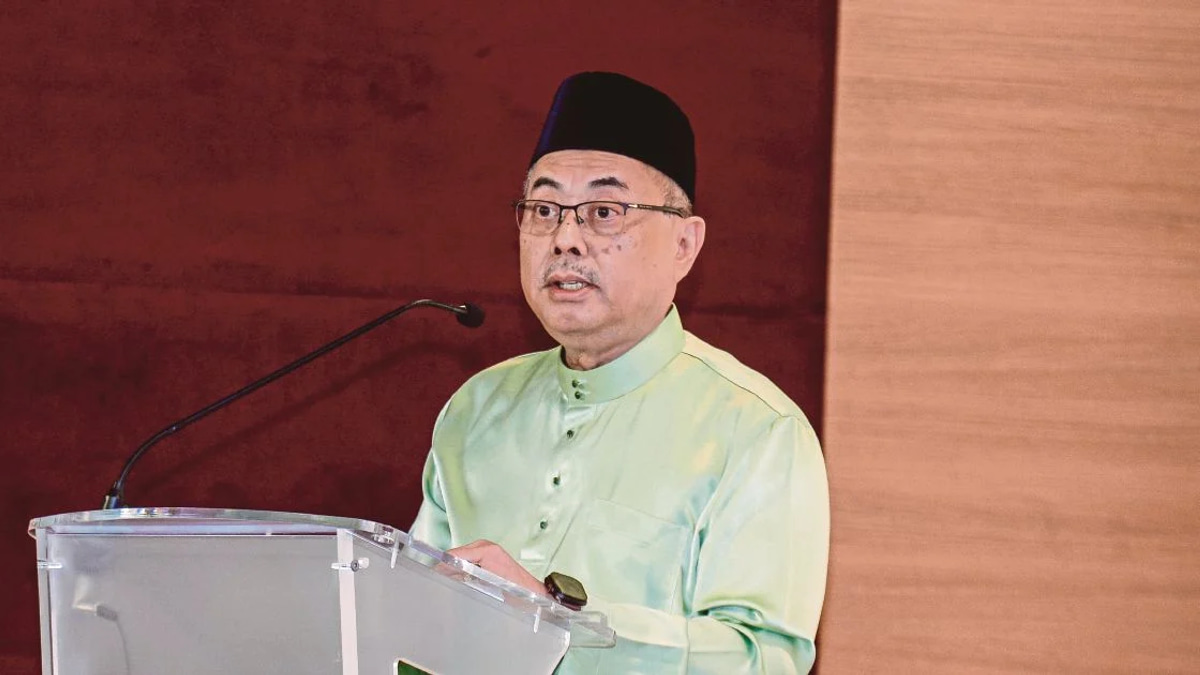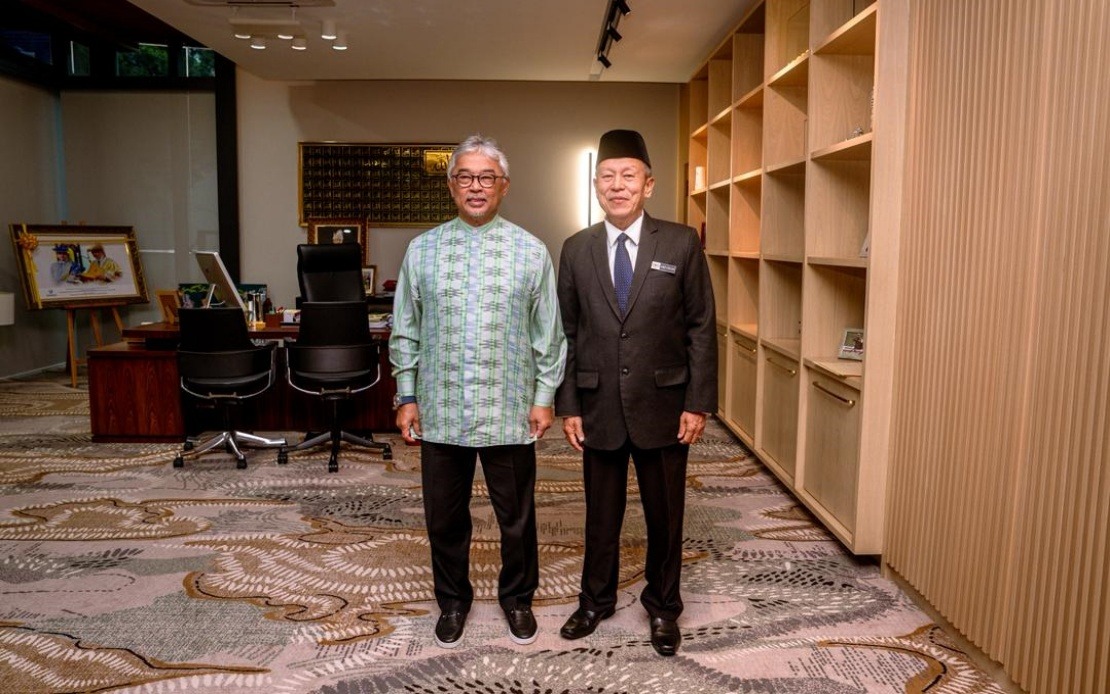
The Sultan of Pahang, Al-Sultan Abdullah Ri'ayatuddin Al-Mustafa Billah Shah, held a formal audience with Malaysian Anti-Corruption Commission (MACC) chief commissioner Datuk Seri Abd Halim Aman at Shahzan House in Ampang on June 18, according to the anti-corruption body's statement released the following day. The hour-long meeting provided a significant platform for the commission to update the royal leadership on its operational progress and strategic direction in combating graft across the country.
During the engagement, the MACC took the opportunity to present a comprehensive overview of its recent activities and ongoing initiatives aimed at fortifying the nation's integrity framework. The briefing encompassed the commission's current performance metrics, case developments, and the various programmes it has instituted to tackle corruption at multiple levels of government and the private sector. By securing direct access to the Pahang Sultan, the MACC signalled the importance it places on engaging with key stakeholders, particularly the royal institution, which occupies a unique constitutional and symbolic position in Malaysia's governance structure.
The audience also served as a venue for discussing broader governance challenges and the strategies the MACC has developed to address them. Senior officials explored matters pertaining to corruption prevention mechanisms, the importance of transparent administrative practices, and mechanisms for enhancing public trust in enforcement institutions. The discussion reflected growing recognition that combating graft requires not merely investigative action but also systemic reforms that embed integrity throughout government processes and foster a culture of accountability among public servants and officials.
For the MACC, obtaining royal attention underscores the commission's institutional standing and its central role in Malaysia's anti-corruption architecture. Royal audiences, particularly those initiated by enforcement agencies, carry significant symbolic weight in Malaysia's constitutional monarchy, where the Sultan functions as the paramount custodian of the nation's integrity and guardian of public interests. The meeting allowed Datuk Seri Abd Halim to present directly to senior royal leadership the commission's perspective on current corruption threats and its assessment of the effectiveness of existing preventive measures.
The Sultan's willingness to grant the audience reflects the crown's vested interest in ensuring effective governance and institutional accountability throughout the realm. Pahang, one of Malaysia's largest states, has experienced its share of corruption allegations in recent years, making the Sultan's engagement with the MACC particularly relevant to regional administrative standards. The meeting thus carries implications for how governance standards might be strengthened within Pahang's state apparatus and its various statutory bodies and government-linked entities.
Datuk Seri Abd Halim expressed sincere gratitude to His Royal Highness for allocating time to receive the briefing and for demonstrating personal interest in the commission's mandate and challenges. His remarks highlighted the MACC's appreciation for the Sultan's backing of its enforcement activities and recognition of the commission's role in upholding principles of transparent, accountable governance. This public expression of gratitude reinforced the message that the royal institution stands firmly behind institutional efforts to combat corruption and strengthen public administration.
The commissioner also conveyed appreciation for the Sultan's sustained support concerning the MACC's broader mission to construct a governance framework based on integrity and public accountability. By emphasising royal support, Datuk Seri Abd Halim sought to reinforce the commission's legitimacy and signal to the broader public service that senior leaders, including the monarchy, endorse strict anti-corruption enforcement. This messaging proves particularly important in an environment where public confidence in institutions has occasionally wavered due to high-profile corruption cases.
The emphasis during the meeting on enhancing public confidence in enforcement agencies addresses a persistent challenge for the MACC, which has faced scrutiny regarding its independence and political neutrality at various junctures. By featuring the Sultan's engagement, the commission aims to demonstrate that its work enjoys high-level support across institutional lines and remains focused on national interests rather than factional concerns. Such royal validation carries considerable weight in Malaysian society, where the monarchy remains a widely respected institution.
Regionally, the meeting reflects broader trends across Southeast Asia concerning renewed emphasis on anti-corruption governance at the highest levels. Malaysia's experience with high-profile corruption investigations has prompted greater institutional attention to preventing graft and enhancing administrative standards. The MACC's engagement with royal leadership positions Malaysia within a context where anti-corruption efforts command support from multiple institutional pillars, a development that observers view as strengthening the overall architecture for combating corrupt practices.
Looking forward, such formal interactions between the anti-corruption commission and senior royal figures may establish a pattern for regular engagement on governance matters. The meeting suggests the MACC will continue leveraging institutional relationships to reinforce its mandate and seek support for emerging anti-corruption strategies. For the sultanate system more broadly, such engagements reaffirm the relevant role of constitutional monarchies in contemporary governance frameworks, particularly regarding the stewardship of institutional integrity and public accountability standards.
%22%2F%3E%3C%2Fpattern%3E%3C%2Fdefs%3E%3Crect%20width%3D%22100%25%22%20height%3D%22100%25%22%20fill%3D%22url(%23ph4j1eeg)%22%2F%3E%3Crect%20width%3D%22100%25%22%20height%3D%22100%25%22%20fill%3D%22url(%23ph4j1eep)%22%2F%3E%3Ctext%20x%3D%2250%25%22%20y%3D%2250%25%22%20text-anchor%3D%22middle%22%20dominant-baseline%3D%22central%22%20fill%3D%22rgba(255%2C255%2C255%2C0.95)%22%20font-family%3D%22Georgia%2C%20'Times%20New%20Roman'%2C%20serif%22%20font-weight%3D%22700%22%20font-size%3D%22194%22%20letter-spacing%3D%22-0.02em%22%3ETeacher%3C%2Ftext%3E%3C%2Fsvg%3E)
%22%2F%3E%3C%2Fpattern%3E%3C%2Fdefs%3E%3Crect%20width%3D%22100%25%22%20height%3D%22100%25%22%20fill%3D%22url(%23phmd71g)%22%2F%3E%3Crect%20width%3D%22100%25%22%20height%3D%22100%25%22%20fill%3D%22url(%23phmd71p)%22%2F%3E%3Ctext%20x%3D%2250%25%22%20y%3D%2250%25%22%20text-anchor%3D%22middle%22%20dominant-baseline%3D%22central%22%20fill%3D%22rgba(255%2C255%2C255%2C0.95)%22%20font-family%3D%22Georgia%2C%20'Times%20New%20Roman'%2C%20serif%22%20font-weight%3D%22700%22%20font-size%3D%22136%22%20letter-spacing%3D%22-0.02em%22%3EProsecuti%E2%80%A6%3C%2Ftext%3E%3C%2Fsvg%3E)