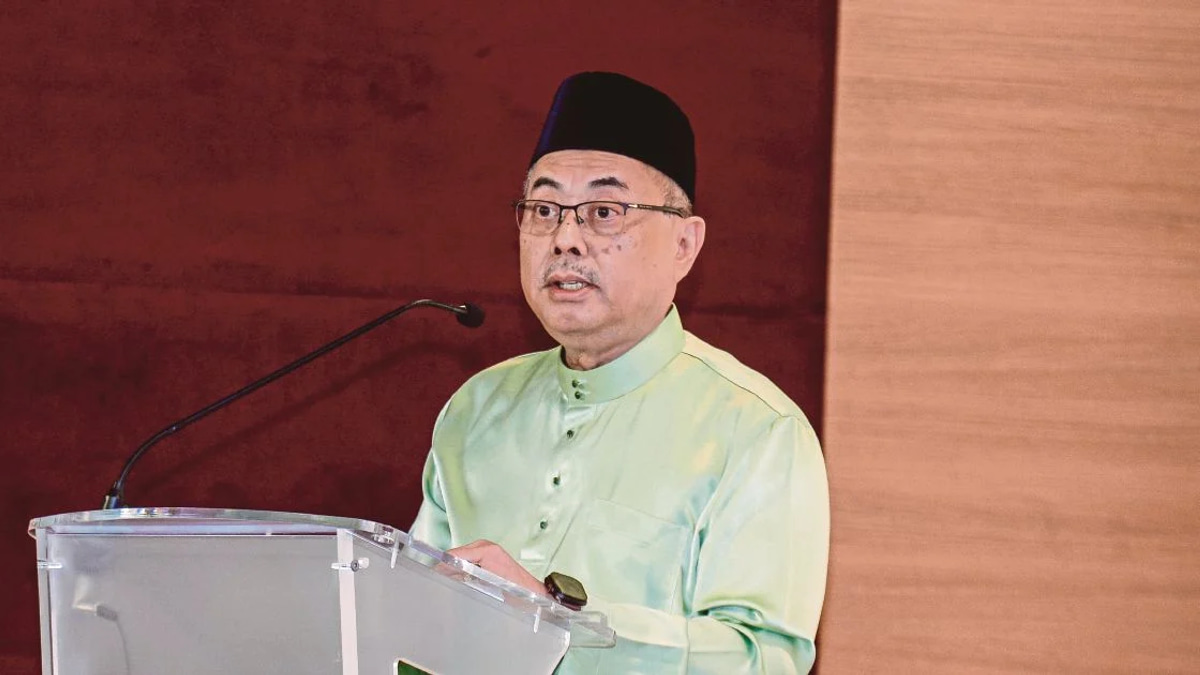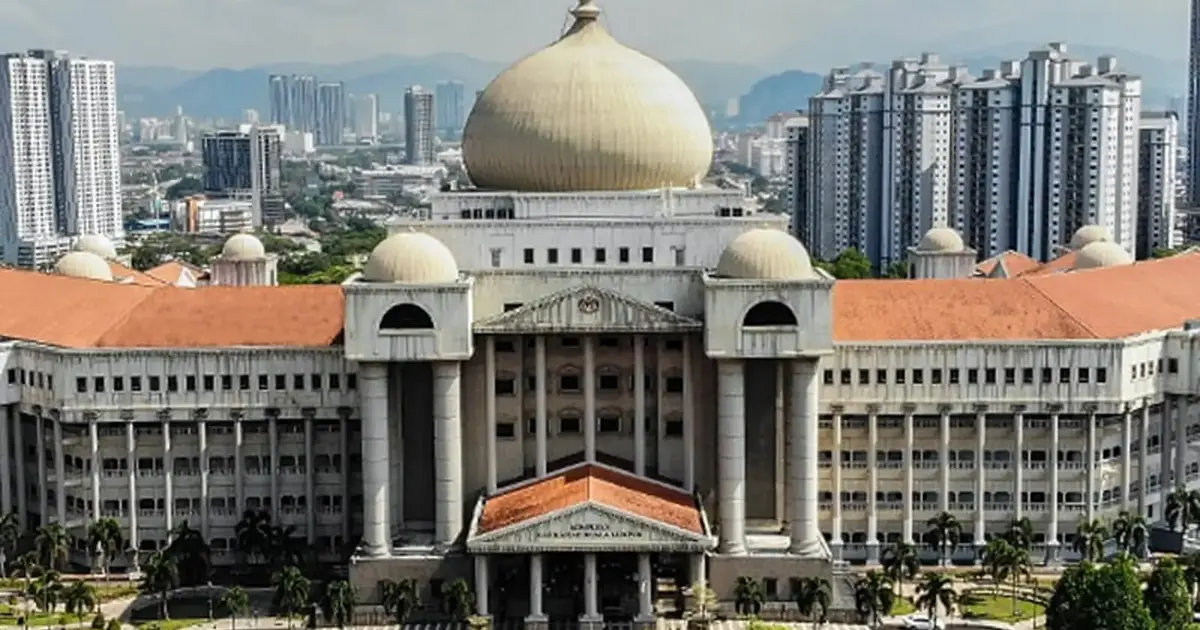
Malaysia's High Court has determined that the prime minister cannot be compelled to give evidence in a RM30 million civil dispute, striking down a subpoena that sought his appearance in the witness box. The court found that the head of government does not qualify as a material witness whose testimony would be essential to resolving the substantive issues in the case.
This ruling represents a significant procedural decision concerning the scope of witness obligations for high-ranking public officials in Malaysia's judicial system. The court's determination hinges on the legal principle that subpoenas can only require attendance from witnesses whose evidence bears directly and materially on the facts in dispute. By contrast, witnesses whose involvement is peripheral or whose knowledge is merely circumstantial may be excused from attendance.
The case itself involves a substantial financial claim of RM30 million, suggesting significant commercial or contractual interests at stake. However, the court concluded that despite the magnitude of the dispute, the prime minister's personal testimony would not meaningfully contribute to establishing the critical facts needed for judicial determination. This suggests the litigation concerns matters where the PM's involvement, if any, is indirect or administrative rather than substantive.
The subpoena mechanism serves an important function in civil litigation across Commonwealth legal systems, including Malaysia. It compels witnesses to attend court and provide sworn evidence under penalty of contempt. However, courts have long recognised that this power cannot be wielded indiscriminately. When a subpoena is challenged as oppressive or unnecessary, judges must weigh the relevance and materiality of the witness's evidence against the practical burden of requiring attendance, particularly when the witness holds high public office.
For serving prime ministers, the tension between judicial authority and executive privilege has created ongoing debate in Malaysian legal circles. While no formal immunity from subpoena exists in Malaysia's system, courts consider the operational demands on the head of government and whether alternative evidence might adequately address the plaintiff's case. The High Court's decision suggests it found sufficient alternative evidence or documentation could establish the necessary facts without the PM's direct testimony.
The ruling carries implications for future litigation involving senior government figures. It establishes that courts will critically examine whether such figures are truly indispensable witnesses or whether their subpoena represents an attempt to extract evidence that could be obtained through other means. This balanced approach recognises both the importance of full evidence-gathering in judicial proceedings and the practical necessity of allowing senior officials to discharge their constitutional duties without constant courtroom obligations.
From a Malaysian perspective, this decision reflects the judiciary's ongoing effort to maintain independence while respecting the operational realities of governance. The courts must adjudicate fairly without becoming instruments that paralyse executive functioning through excessive witness demands. Simultaneously, the ruling does not grant blanket immunity—it is narrowly grounded in the specific determination that the PM is not a material witness in this particular case.
The RM30 million quantum suggests this may involve significant commercial transactions, potential government contracts, or substantial financial dealings where either public or private interests are contested. The court's assessment that the PM's evidence is not material might indicate the dispute concerns technical contractual matters, financial calculations, or factual details better established through documents, expert evidence, or testimony from individuals more directly involved in the relevant transactions.
This judgment also demonstrates the mature development of Malaysian jurisprudence on witness privilege and public office. Rather than applying rigid categorical rules granting blanket protection to government officials, the court conducts a fact-specific inquiry into whether the particular official's evidence truly matters to the case. This nuanced approach serves the interests of justice while acknowledging legitimate constraints on public administration.
The decision will likely provide guidance to courts handling future disputes where government ministers or senior officials face subpoenas. Legal practitioners now have clearer direction that mere relevance to a case is insufficient—the evidence must be material and the witness genuinely necessary. This distinction becomes particularly important when dealing with high-level officials whose time carries significant opportunity cost for public governance.
For litigants in Malaysia's civil courts, the ruling suggests that strategic use of subpoenas against government figures requires stronger justification than in ordinary commercial disputes between private parties. Courts will demand clearer demonstration that alternatives do not exist and that the official in question possesses unique, essential knowledge rather than peripheral awareness of disputed matters.
The judgment contributes to the developing balance in Asian legal systems between access to evidence and respect for governmental operations. As Malaysia continues to strengthen its rule of law institutions, such decisions help calibrate the proper relationship between judicial authority and executive function, ensuring courts can fulfil their adjudicative role without becoming obstacles to effective governance.
%22%2F%3E%3C%2Fpattern%3E%3C%2Fdefs%3E%3Crect%20width%3D%22100%25%22%20height%3D%22100%25%22%20fill%3D%22url(%23ph4j1eeg)%22%2F%3E%3Crect%20width%3D%22100%25%22%20height%3D%22100%25%22%20fill%3D%22url(%23ph4j1eep)%22%2F%3E%3Ctext%20x%3D%2250%25%22%20y%3D%2250%25%22%20text-anchor%3D%22middle%22%20dominant-baseline%3D%22central%22%20fill%3D%22rgba(255%2C255%2C255%2C0.95)%22%20font-family%3D%22Georgia%2C%20'Times%20New%20Roman'%2C%20serif%22%20font-weight%3D%22700%22%20font-size%3D%22194%22%20letter-spacing%3D%22-0.02em%22%3ETeacher%3C%2Ftext%3E%3C%2Fsvg%3E)
%22%2F%3E%3C%2Fpattern%3E%3C%2Fdefs%3E%3Crect%20width%3D%22100%25%22%20height%3D%22100%25%22%20fill%3D%22url(%23phmd71g)%22%2F%3E%3Crect%20width%3D%22100%25%22%20height%3D%22100%25%22%20fill%3D%22url(%23phmd71p)%22%2F%3E%3Ctext%20x%3D%2250%25%22%20y%3D%2250%25%22%20text-anchor%3D%22middle%22%20dominant-baseline%3D%22central%22%20fill%3D%22rgba(255%2C255%2C255%2C0.95)%22%20font-family%3D%22Georgia%2C%20'Times%20New%20Roman'%2C%20serif%22%20font-weight%3D%22700%22%20font-size%3D%22136%22%20letter-spacing%3D%22-0.02em%22%3EProsecuti%E2%80%A6%3C%2Ftext%3E%3C%2Fsvg%3E)