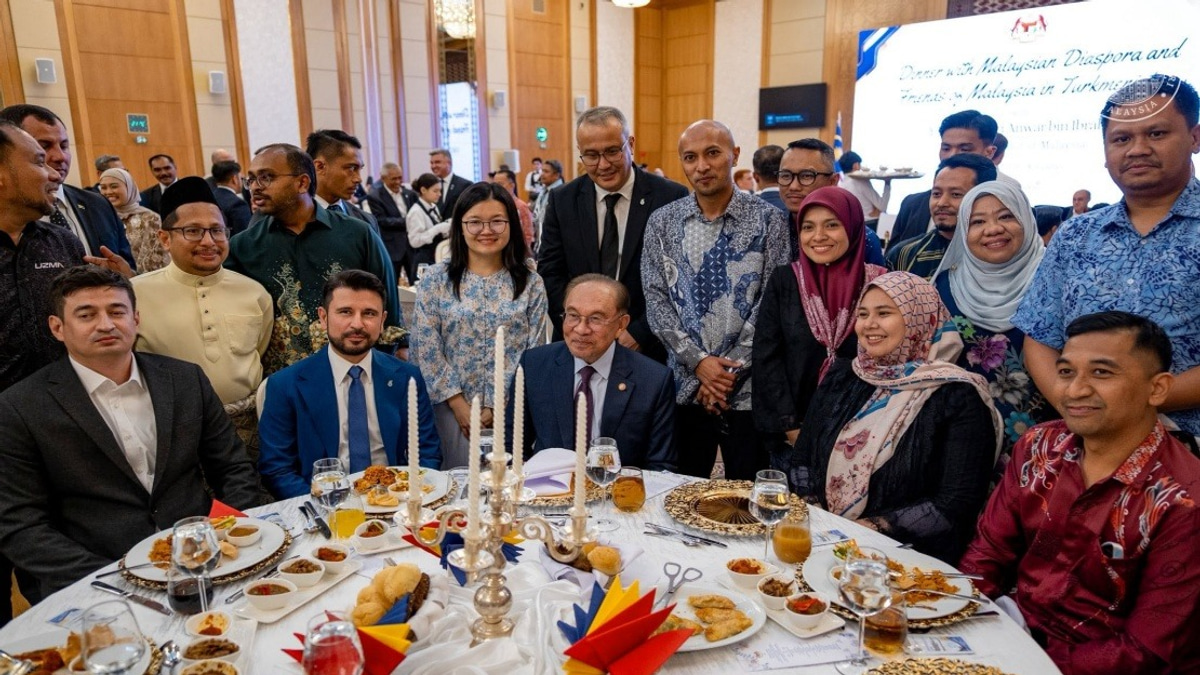
The Islamic party's decision to sever its alliance with Bersatu has become the subject of intense political scrutiny, with Urimai chairman Ramasamy contending that this strategic break substantially weakened the opposition's collective bargaining power. According to Ramasamy's assessment, PAS's move effectively handed the advantage of governing from Putrajaya directly to Prime Minister Anwar Ibrahim by fracturing what could have remained a unified opposition front.
The separation of PAS from the broader opposition coalition reflects deeper fault lines within Malaysia's political landscape. During the 15th general election in 2022, Bersatu merged with PKR, DAP, and Amanah to form the Pakatan Harapan coalition that ultimately brought Anwar to power. However, the subsequent political dynamics saw shifting alliances and calculations, with PAS maintaining its own independent trajectory. Ramasamy's remarks highlight how these realignments have had cascading effects on the opposition's overall viability and coherence as a genuine alternative government.
The argument advanced by the Urimai leader carries particular weight given the delicate balance of parliamentary arithmetic in Malaysian politics. Any fragmentation within opposition ranks typically translates into diminished leverage during negotiations and reduced capacity to mount a credible challenge to the ruling coalition. When a significant player like PAS—which commands substantial support among Muslim-majority constituencies and commands notable parliamentary representation—withdraws cooperation, it creates openings for the incumbent administration to consolidate control more easily. Ramasamy's analysis suggests this fragmentation was not inevitable but rather the result of deliberate choices that disadvantaged opposition forces.
PAS, an Islamic-rooted party with historical influence in Malaysian politics, has long pursued an independent political trajectory. The party's relationship with other opposition components has been marked by periodic cooperation and estrangement. However, the timing and manner of the recent severance with Bersatu appears particularly consequential, as it occurred during a period when maintaining a coherent alternative coalition could have positioned the opposition more competitively for future electoral contests. The party's departure effectively left behind a weakened opposition structure struggling to present a unified narrative to voters.
For Prime Minister Anwar Ibrahim and his administration, the opposition's internal divisions have worked substantially in their favour. A fractured opposition unable to coordinate messaging or present a cohesive policy platform encounters considerable difficulty in mobilizing electoral support or mounting sustained parliamentary pressure. This dynamic allows the government to pursue its legislative agenda with fewer obstacles and reduces the quality of scrutiny typically provided by a well-organized opposition. In parliamentary systems like Malaysia's, such structural advantages can translate into concrete policy victories and enhanced political stability for the ruling coalition.
Ramasamy's critique extends beyond mere tactical considerations to touch on broader questions about opposition credibility and governance readiness. An opposition genuinely aspiring to govern must demonstrate not only policy alternatives but also the political maturity and strategic discipline to maintain cohesion. By fracturing prematurely or over issues that might have been negotiable, opposition parties inadvertently communicate to voters that they may lack the organizational capacity to manage national affairs effectively. This perception compounds the electoral disadvantage created by opposition fragmentation.
The Malaysian political context makes such internal opposition dynamics particularly consequential. With a constitutionally significant balance between federal and state governments, and with regional power bases distributed unevenly among parties, any major shift in coalition composition reshapes the entire electoral landscape. PAS's withdrawal from broader opposition cooperation alters not only parliamentary dynamics but also the feasibility of constructing regional power-sharing arrangements that might have given opposition parties greater governing legitimacy. State-level configurations in Perak, Kedah, and other regions where opposition parties hold or contest power become considerably more complicated without coordinated opposition strategy.
Looking forward, Ramasamy's commentary raises questions about whether opposition parties might ultimately recognize the cost of their divisions and attempt reconstruction. However, such reunification efforts typically prove difficult once damaged, as political actors develop vested interests in their chosen positions and organizational cultures diverge. The longer opposition fragmentation persists, the more entrenched separate political identities and strategies become. This crystallization of separate opposition blocs reduces the likelihood of eventual reintegration and suggests that the consequences of PAS's decision may persist across multiple electoral cycles.
The broader regional implications of Malaysian opposition fragmentation deserve consideration as well. Southeast Asia's democratic health depends partly on competitive political systems where meaningful electoral alternatives exist. When major opposition parties undermine their own collective capacity through strategic miscalculation or internal disputes, they contribute to political dominance that, while technically constitutional, constrains democratic vitality. Neighboring countries and international observers monitor such developments as indicators of democratic resilience and competitive dynamics within the region's largest economy.
For Malaysian voters, the practical consequence of opposition fragmentation translates into reduced meaningful choice during elections. Rather than choosing between competing visions for national governance articulated through coherent coalition platforms, voters encounter multiple opposition entities offering overlapping or redundant propositions. This diffusion of opposition messaging and organizational capacity ultimately serves incumbent interests by reducing the salience and credibility of opposition alternatives. Ramasamy's remarks, therefore, constitute not merely partisan point-scoring but observation of a structural problem affecting Malaysia's democratic functioning.
As the political landscape continues evolving, the question remains whether opposition forces will learn from their fragmentation or whether permanent realignment has occurred. The stakes extend beyond parliamentary seats to encompass Malaysia's trajectory on critical issues from economic policy to institutional reform to social cohesion. Without a genuinely competitive opposition, such consequential national questions receive less rigorous public debate and scrutiny than democratic governance ideally requires.