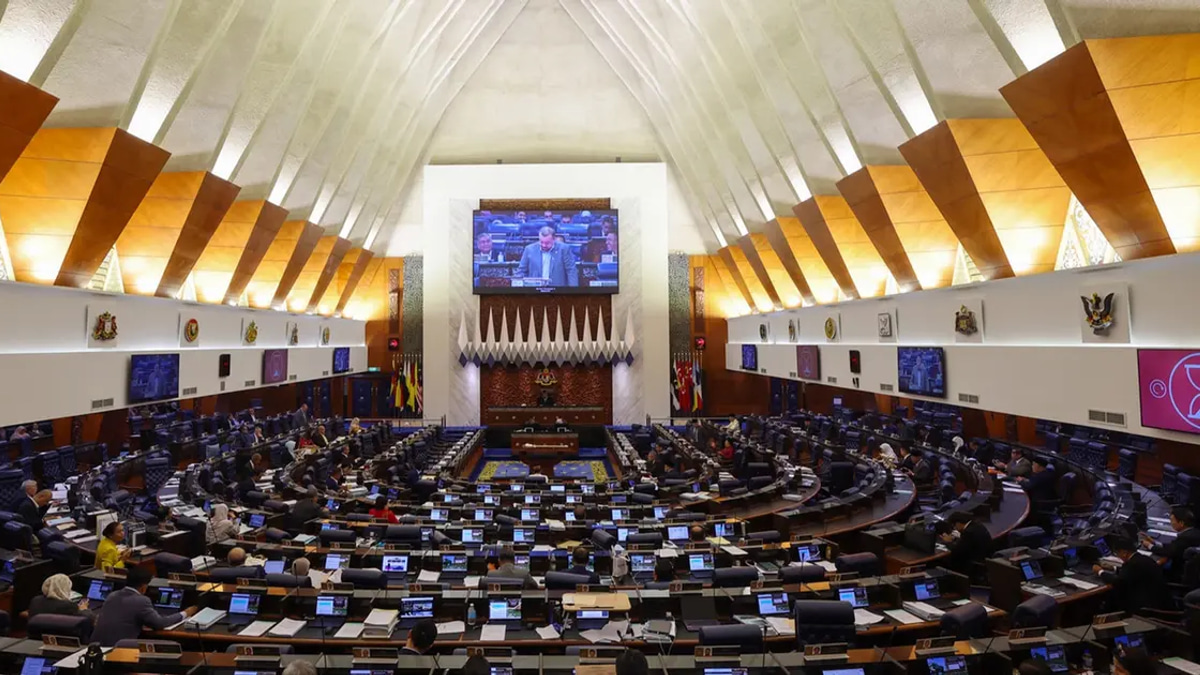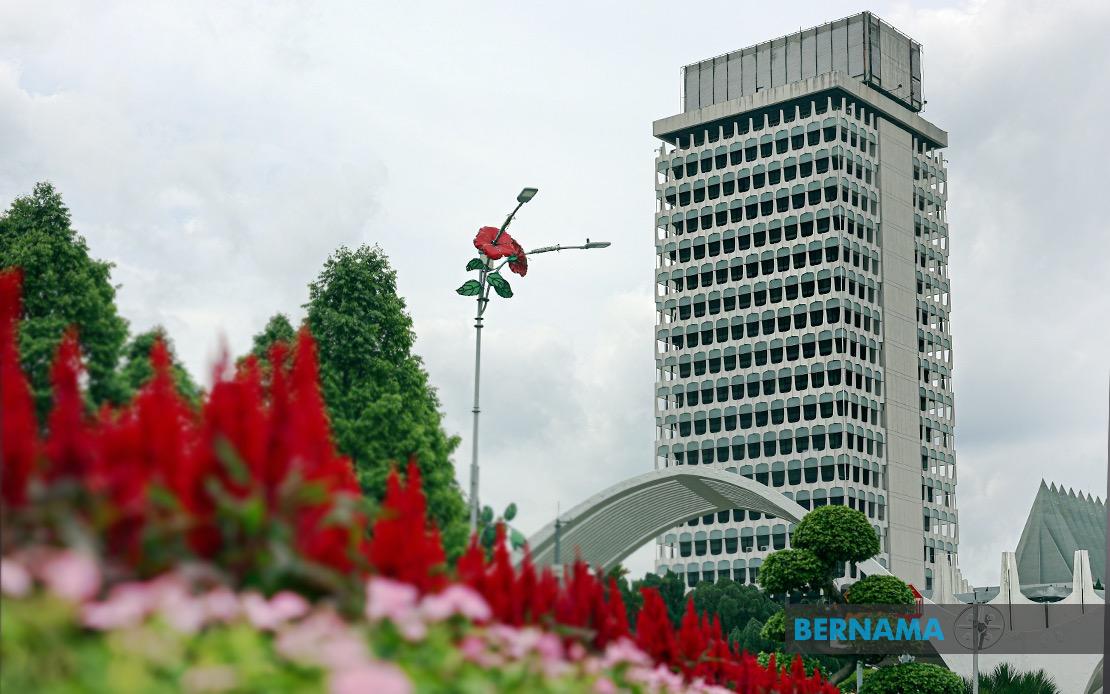
The Dewan Rakyat opens its doors Monday for the Second Meeting of the Fifth Session of the 15th Parliament, initiating a 16-day sitting that will place several contentious constitutional matters back under the legislative microscope. The session, running through July 16, represents a fresh attempt to advance reforms that failed to gain sufficient parliamentary support during the previous meeting, signalling the government's determination to push forward with its constitutional agenda despite earlier setbacks.
Central to the agenda is the re-tabling of the Constitution (Amendment) Bill 2026, which proposes restricting prime ministerial tenure to a maximum of 10 years. This measure encountered resistance during its initial presentation, failing to secure the two-thirds majority required for constitutional amendments in the lower house. The reintroduction underscores ongoing debate within Malaysian political circles about term limits and executive accountability, reflecting international trends toward constraining executive power that resonate with democratic reform advocates across Southeast Asia.
Alongside the tenure limitation proposal, lawmakers will revisit the Constitution (Amendment) Bill (No. 2) 2026, designed to cleave the roles of Attorney General and Public Prosecutor into separate offices. This structural reform addresses longstanding concerns about consolidated prosecutorial and legal advisory power within a single portfolio. Following its previous tabling, the measure was referred to the Parliamentary Special Select Committee for deeper examination, and its reappearance suggests the committee process has concluded or progressed sufficiently to warrant renewed parliamentary consideration.
The separation of these constitutional roles carries particular significance for Malaysian governance architecture. The Attorney General serves as chief legal advisor to the government and minister in cabinet, while the Public Prosecutor handles all criminal prosecutions. Splitting these functions could enhance judicial independence by insulating prosecution decisions from ministerial influence, though implementation would require careful institutional restructuring. The measure reflects evolving standards for institutional autonomy that Asian democracies increasingly adopt.
Transport Minister Anthony Loke has flagged substantial amendments to the Road Transport Act 1987, slated for tabling on the session's opening day with debate following immediately. These modifications, spanning 11 distinct areas and 42 separate clauses, directly confront the persistent menace of illegal street racing that continues claiming lives and destabilising Malaysian roads. The government estimates that racing syndicates, colloquially termed 'tonto' operations, cause disproportionate harm to road safety despite sustained enforcement efforts.
The transport legislation addresses the criminal organisations orchestrating racing events through a multifaceted approach combining harsher penalties with strengthened enforcement mechanisms. Beyond criminalising racing itself, the amendments target syndicate financing, equipment preparation, and spectator participation. For Malaysian commuters and road users, these reforms promise more rigorous police authority to apprehend participants and dismantle operations. The emphasis on systematic enforcement reflects frustration with piecemeal responses to underground racing culture that has proven resilient despite previous legislative attempts.
Parliament will also confront the Cybercrime Bill 2026, another substantial policy undertaking that addresses digital security threats proliferating across Malaysia's increasingly interconnected economy. As cyberattacks targeting government, financial, and critical infrastructure systems escalate regionally, comprehensive legislation becomes essential. This bill likely addresses offences ranging from data theft to infrastructure sabotage, though detailed provisions await parliamentary scrutiny.
Dewan Rakyat Speaker Tan Sri Johari Abdul has issued a pointed reminder to all legislators regarding their obligations to constituents and democratic principles. His statement emphasises that parliamentary proceedings must prioritise substantive policy discussion grounded in empirical evidence rather than partisan sentiment. The reminder carries implicit recognition that Malaysian parliamentary culture occasionally devolves into rhetorical posturing disconnected from governance outcomes, undermining public confidence in legislative efficacy.
Johari specifically highlighted cost-of-living pressures, educational quality, healthcare accessibility, economic development, employment creation, and community welfare as priority topics deserving serious parliamentary engagement. These issues resonate acutely with Malaysian households facing inflationary pressures and stagnating wages, particularly in urban centres. By explicitly identifying these concerns, the speaker signals that parliamentary time should concentrate on bread-and-butter matters affecting voter wellbeing rather than abstract constitutional positioning.
The speaker's pronouncements acquired added weight because the Johor State Election proceeds concurrently with the parliamentary sitting, creating potential for distracted attendance and political grandstanding. Johari cautioned MPs against exploiting parliamentary platforms for state-level campaigning or absenting themselves to pursue electoral activities. This tension between national and regional political cycles periodically strains parliamentary operations, as legislators balance representational duties with electoral imperatives demanding their presence in constituencies.
Beyond the Dewan Rakyat, the Dewan Negara will commence its own 10-day sitting from July 20 through August 4, potentially providing an upper house venue for refined debate on measures passing the lower chamber. The bicameral parliamentary structure allows Senate reconsideration of controversial legislation, though the upper house cannot obstruct bills indefinitely. For Malaysian observers, Senate proceedings on constitutional amendments and major legislation offer additional opportunities to scrutinise government policy beyond the more raucous lower house environment.
The energy crisis stemming from West Asian regional conflicts will occupy parliamentary attention as lawmakers assess supply chain disruptions and price volatility affecting Malaysian consumers and industries. Malaysia's energy security interests, as both producer and consumer, require sustained parliamentary focus on diversification strategies and international cooperation. Extended debate on energy policy implications reflects recognition that geopolitical shocks radiating from the Middle East carry direct economic consequences for Southeast Asian nations dependent on hydrocarbons and international trade.
This parliamentary session encapsulates contemporary Malaysian governance challenges: balancing institutional reform with immediate policy needs, maintaining legislative focus amid electoral competition, and addressing constituent concerns within a complex constitutional framework. The outcome will indicate whether constitutional amendments gain traction, whether transport safety reforms advance effectively, and whether Malaysian parliamentarians can indeed concentrate on substantive national interests as their speaker insists.