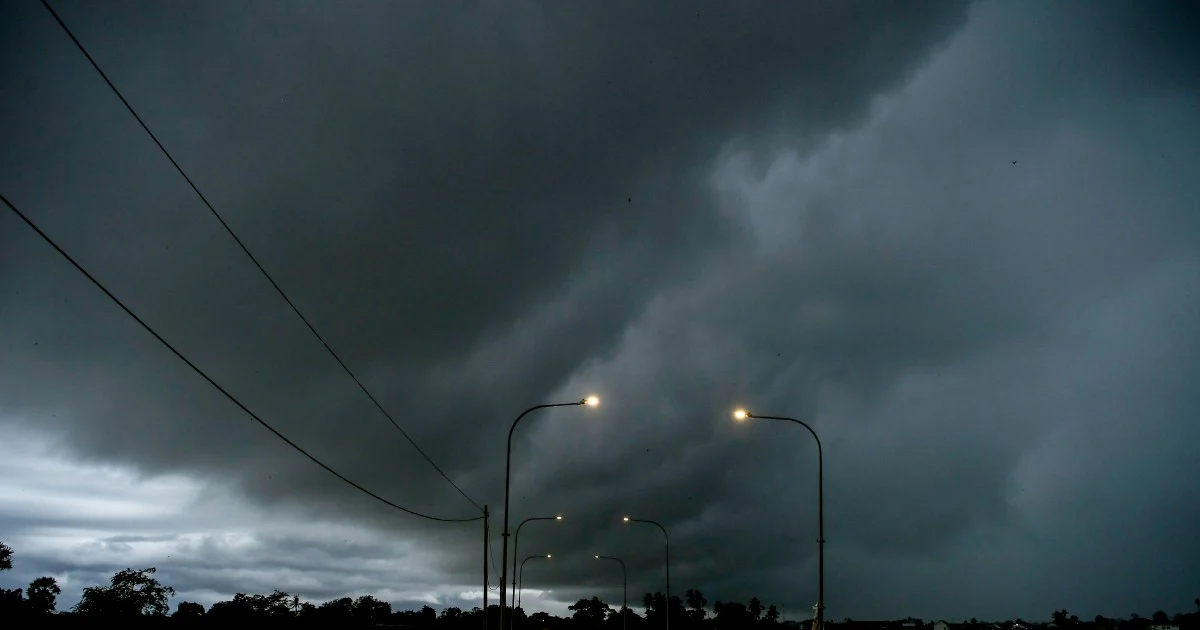
The Malaysian Meteorological Department has activated severe weather alerts across the nation, warning residents to prepare for dangerous thunderstorm conditions paired with torrential downpours and gusty winds that will dominate the landscape until 5pm today. The alert encompasses a broad geographical swath spanning Peninsular Malaysia alongside both Sabah and Sarawak in East Malaysia, signalling the extent of atmospheric instability gripping the region.
Thunderstorms of this magnitude pose significant threats to public safety and daily operations. Heavy rainfall accompanying these systems can rapidly overwhelm drainage infrastructure in urban areas, leading to flash floods that strand motorists and threaten low-lying residential zones. The combination of violent wind gusts with towering cumulonimbus clouds creates hazardous conditions for structures, vegetation, and outdoor activities, prompting authorities to recommend heightened caution during afternoon commutes.
For commuters and transportation operators, the timing of this alert carries particular significance. The warning extends through the evening peak period when roads are typically congested and visibility is already compromised by rush-hour traffic density. Drivers should exercise extreme caution, reduce speeds on highways, and consider delaying non-essential journeys until weather conditions stabilise after 5pm. Public transport operators and logistics companies may experience service disruptions as a precaution against weather-related accidents.
The geographic scope of the alert reveals broader weather patterns affecting Southeast Asia. When thunderstorm warnings extend simultaneously across Peninsular Malaysia and the larger Bornean states, it typically indicates convergence zones or monsoon influences creating widespread instability. This suggests conditions are not isolated to specific regions but reflect synoptic-scale atmospheric features that development agencies and disaster management authorities must monitor carefully.
Residents in affected areas should prioritise safety measures before conditions deteriorate. Securing loose outdoor items, avoiding trees and structures vulnerable to wind damage, and keeping communication devices charged represent essential preparations. Those in flood-prone zones should be particularly vigilant, as rainfall intensity during thunderstorms often exceeds drainage capacity, creating sudden inundation scenarios that provide limited warning time.
For agriculture and outdoor industries, sudden weather disruptions impose tangible costs. Plantation operations, construction sites, and open-air commercial activities must suspend work during the most severe conditions. The loss of productivity hours, coupled with potential crop or equipment damage, reflects the economic dimension of tropical weather volatility that Malaysian stakeholders regularly contend with.
Malaysia's tropical climate naturally produces frequent thunderstorm systems, yet authorities continue refining warning systems to provide residents with actionable lead time. MetMalaysia's capacity to issue specific alerts naming affected regions and specifying duration windows demonstrates the sophistication of modern meteorological infrastructure, contrasting sharply with broader monsoon forecasts that lack such precision.
The afternoon timeframe of maximum warning intensity aligns with typical convective heating cycles over equatorial regions. As solar radiation intensifies surface heating through midday, atmospheric instability peaks, triggering explosive thunderstorm development that peaks during mid to late afternoon before gradually weakening after sunset. Understanding this diurnal rhythm helps explain why weather agencies specify evening termination times for such warnings.
Communities should utilise this advance notice to make deliberate preparations. Ensuring adequate drinking water stocks, checking medication supplies, and confirming emergency contact information takes minimal time but provides meaningful resilience. Families with children or elderly members should plan indoor activities that do not depend on electricity, recognising that severe thunderstorms occasionally cause temporary power disruptions through lightning strikes or downed power lines.
For Southeast Asian observers beyond Malaysia's borders, such warnings provide insight into regional weather dynamics. Thailand, Singapore, Indonesia, and Brunei experience similar thunderstorm activity during certain seasons, making understanding Malaysian forecasting practices relevant to broader cross-border weather awareness. The coordination of meteorological services across Southeast Asia remains an ongoing priority for disaster risk reduction initiatives.
As the afternoon progresses, MetMalaysia will likely maintain real-time monitoring, potentially updating affected areas or extending warnings should conditions warrant such modifications. The public should remain attuned to official communications from the meteorological authority rather than relying on informal sources, ensuring they receive the most current and authoritative information available. Once 5pm arrives and conditions begin moderating, the acute risk window closes, though residents should remain cautious as residual flooding may persist in certain localities where water drainage proves sluggish.