%22%2F%3E%3C%2Fpattern%3E%3C%2Fdefs%3E%3Crect%20width%3D%22100%25%22%20height%3D%22100%25%22%20fill%3D%22url(%23ph5v4neg)%22%2F%3E%3Crect%20width%3D%22100%25%22%20height%3D%22100%25%22%20fill%3D%22url(%23ph5v4nep)%22%2F%3E%3Ctext%20x%3D%2250%25%22%20y%3D%2250%25%22%20text-anchor%3D%22middle%22%20dominant-baseline%3D%22central%22%20fill%3D%22rgba(255%2C255%2C255%2C0.95)%22%20font-family%3D%22Georgia%2C%20'Times%20New%20Roman'%2C%20serif%22%20font-weight%3D%22700%22%20font-size%3D%22226%22%20letter-spacing%3D%22-0.02em%22%3EHamzah%3C%2Ftext%3E%3C%2Fsvg%3E)
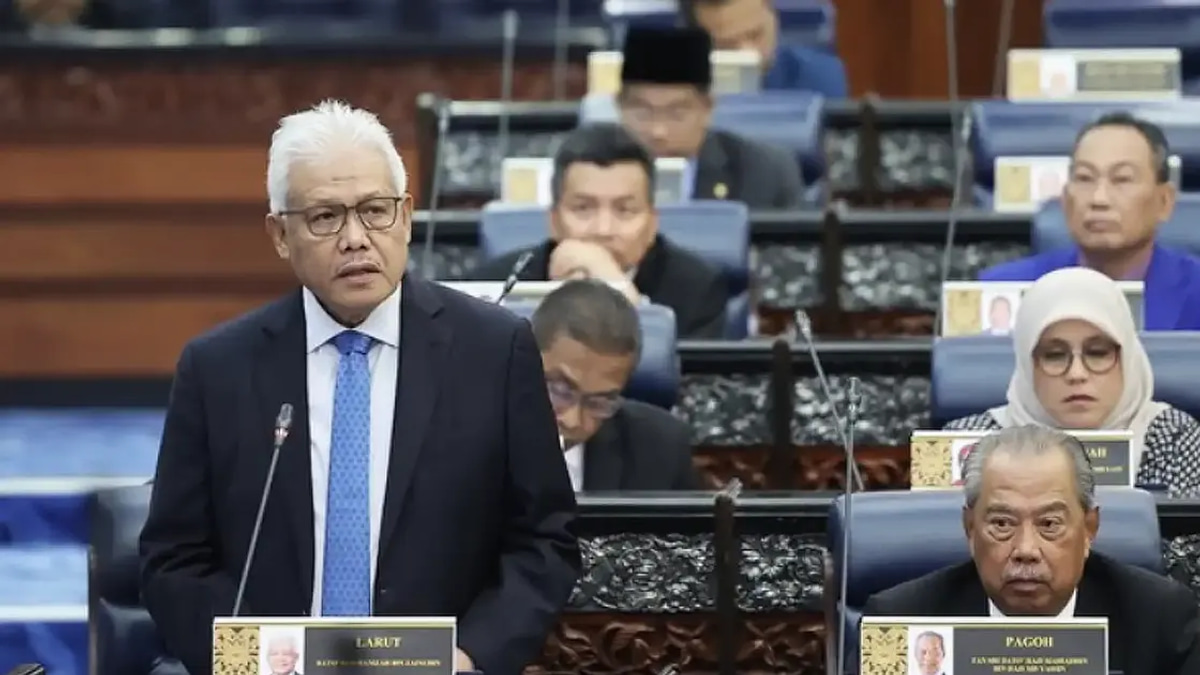
The Speaker of the Dewan Rakyat has formally confirmed that Hamzah Zainudin holds the position of Opposition Leader, marking an official recognition of his parliamentary status and responsibilities. This confirmation comes following official notification received by Tan Sri Johari Abdul, who oversees proceedings in Malaysia's lower house. The formal acknowledgement clarifies the leadership structure within the parliamentary opposition at a time when Malaysia's political landscape continues to evolve following recent electoral developments and shifting coalition dynamics.
Hamzah Zainudin's designation as Opposition Leader carries significant constitutional and procedural implications for parliamentary business. The role entitles him to special privileges within the chamber, including priority speaking time and formal acknowledgement during parliamentary sessions. The Opposition Leader also holds ceremonial standing during official state functions and parliamentary events, serving as the principal voice representing the opposition bloc. This formal status strengthens his hand in negotiations with the government and provides him with greater leverage on matters affecting his coalition's interests.
Simultaneously, former Prime Minister Muhyiddin Yassin has been reassigned to a different seat within the parliamentary chamber. This relocation reflects the evolving organisational arrangements of opposition members and their seating configurations. Parliamentary seating arrangements often signal political alignments and group cohesion, with members positioned to reflect their factional affiliations and seniority within the chamber. The change in Muhyiddin's seating position may signal shifts in the broader political architecture among opposition MPs.
Muhyiddin's repositioning comes at a significant juncture for Malaysian politics. As a former Prime Minister who led the Perikatan Nasional coalition during the COVID-19 pandemic, his current parliamentary role and positioning carry symbolic weight beyond mere procedural considerations. The adjustment in his seating arrangement demonstrates how parliamentary management evolves as new leadership structures emerge within the opposition. His status as a senior opposition figure remains intact, but the physical relocation underscores changing internal dynamics and the consolidation of opposition leadership under Hamzah's purview.
The confirmation of Hamzah's position comes as opposition coalitions across the region navigate complex political terrain. In Malaysia's context, the opposition comprises multiple parties with sometimes divergent interests, requiring skilful navigation by the leader. Hamzah's formal recognition provides clarity on who bears responsibility for coordinating opposition strategy and representing the bloc's collective interests before Parliament and the broader public. This clarity is particularly important given the complexity of multi-party coalitions and the need for effective opposition governance.
Parliamentary proceedings and leadership arrangements reflect deeper political realities within Malaysia's democratic system. The Speaker's confirmation represents not merely an administrative act but an official acknowledgement of power dynamics and coalition strength within the chamber. Opposition leaders in Malaysia wield considerable influence over legislative scrutiny of government policies, particularly on matters affecting national development, budgetary allocations, and constitutional issues. Hamzah's formal recognition enhances his authority to lead opposition parliamentary tactics and coordinate his coalition's voting strategies.
The timing of these changes coincides with ongoing parliamentary activities that will determine how effectively the opposition can influence government policies. With control of multiple state governments and significant parliamentary representation, the opposition coalition possesses meaningful leverage in national politics. Hamzah's formal elevation to the Opposition Leader position consolidates leadership authority and provides a unified voice for opposition initiatives. This becomes particularly relevant during budget sessions, when government policies face parliamentary scrutiny, and during consideration of legislative amendments affecting governance structures.
The Speaker's administrative actions also reflect procedural protocols necessary for efficient parliamentary management. Clear designation of the Opposition Leader ensures that parliamentary business proceeds smoothly, with recognised interlocutors for both government and opposition benches. This formal recognition facilitates communication between parliamentary leadership and opposition representatives, enabling negotiation on parliamentary scheduling, committee assignments, and other administrative matters affecting legislative work. The confirmation thus serves both symbolic and functional purposes within the chamber's governance framework.
For Malaysian voters and the broader public, these developments signal clarification of opposition leadership structures following a period of political turbulence. The formal confirmation provides citizens with clear understanding of who leads the opposition coalition and bears responsibility for parliamentary opposition to government policies. Hamzah's position now enjoys official institutional recognition, strengthening his mandate to speak for opposition members and shape parliamentary debate on matters affecting the nation. This institutional clarity contributes to more stable political expectations and clearer lines of accountability within Malaysia's democratic system.
The changes also carry implications for regional politics, where Malaysia's parliamentary dynamics influence broader Southeast Asian political trends. Opposition leadership strength and institutional recognition within parliament reflect the health of democratic checks and balances within national systems. As Malaysia navigates contemporary governance challenges ranging from economic resilience to institutional reform, effective opposition leadership becomes critical for ensuring comprehensive parliamentary scrutiny of government initiatives. Hamzah's formal recognition positions the opposition to fulfil this crucial democratic function more effectively as Malaysia addresses complex policy questions affecting its development trajectory and international standing.