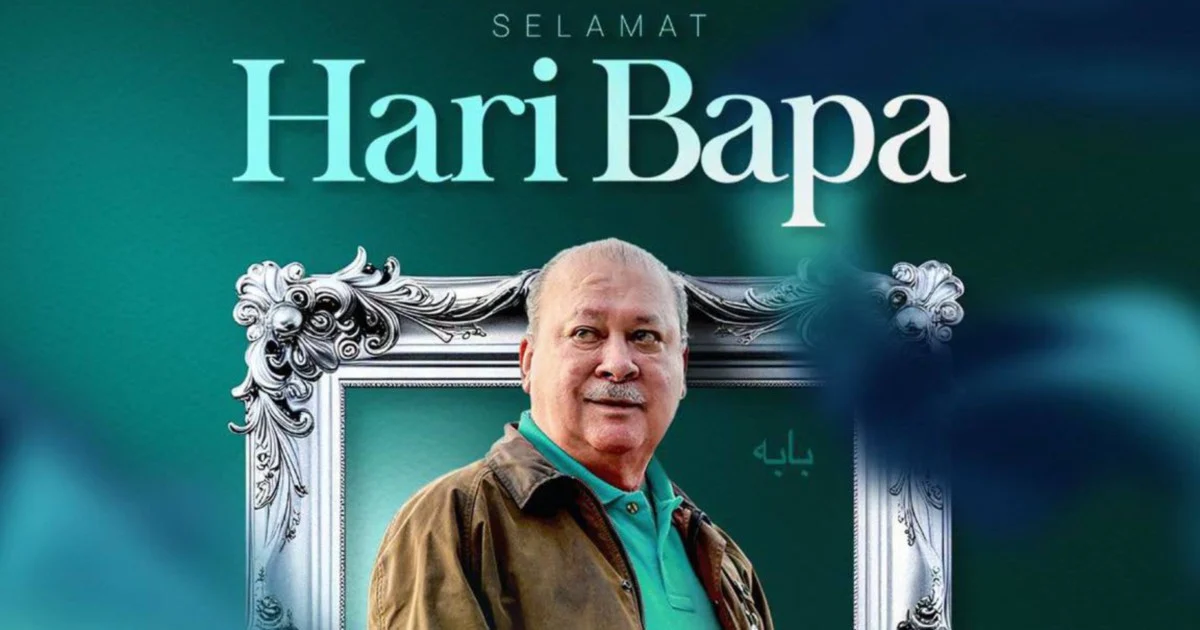
His Majesty Sultan Ibrahim, King of Malaysia, and Her Majesty Raja Zarith Sofiah, Queen of Malaysia, have joined in honouring fathers across the country on Father's Day, reflecting the royal family's continued acknowledgment of significant family milestones and social occasions observed throughout the nation.
The gesture represents a broader tradition within Malaysia's constitutional monarchy of marking important days that celebrate family structures and social bonds. The royal couple's acknowledgment of Father's Day underscores the cultural significance placed on paternal figures within Malaysian society, where fathers traditionally hold important roles in household leadership and family welfare. By extending formal greetings, the Palace recognizes the essential contributions that fathers make not only within individual family units but also to the broader fabric of communities across the country.
Father's Day observance in Malaysia reflects diverse cultural and religious traditions that coexist within the multiethnic nation. The occasion provides an opportunity for families to express appreciation for paternal guidance, support, and presence. In the Malaysian context, where extended family structures often remain important, the day carries particular significance as it acknowledges the economic and emotional responsibilities fathers undertake. The royal couple's participation in marking this occasion demonstrates institutional awareness of social customs that resonate with citizens from various backgrounds.
The timing and nature of the royal message reflect the constitutional role of Malaysia's monarchy. The King and Queen, as representatives of the state and custodians of national values, regularly engage with social and cultural observances that matter to ordinary Malaysians. Such gestures, while symbolic, reinforce the connection between the institution and the people, particularly on occasions centred on universal themes like family relationships that transcend political divisions.
In contemporary Malaysia, Father's Day takes on added significance as families navigate evolving social structures and economic pressures. Many Malaysian fathers balance multiple responsibilities—professional obligations, household contributions, and active parenting—against a backdrop of rising living costs and changing workplace demands. Royal recognition of their efforts provides validation and acknowledgment of these challenges, even as it celebrates the positive influence fathers exert across generations.
The observance also intersects with broader conversations about masculinity and parental roles in modern Southeast Asia. Malaysian society, like other nations in the region, continues to evolve in how it conceptualizes fatherhood and male parental involvement. While traditional models of fathers as primary breadwinners persist in many households, increasing numbers of families are experiencing more collaborative approaches to childcare and household management. Father's Day provides a platform for reflecting on these changing dynamics and appreciating fathers in whatever form their contributions take within individual family contexts.
Royal institutions worldwide use occasions like Father's Day to reinforce messages about family cohesion and social stability. In Malaysia, where the monarchy holds considerable cultural and constitutional weight, such messages carry particular resonance. The King and Queen's greetings therefore function simultaneously as personal recognition of individual fathers and as a statement about the state's investment in family-centred values and social harmony.
The gesture also reflects Malaysia's position as a nation where multiple celebrations coexist throughout the year. Alongside Father's Day, which is observed on the third Sunday of June in Malaysia, the country marks numerous other significant occasions rooted in Islamic traditions, Chinese, Indian, and Indigenous customs. The royal family's participation in these diverse observances demonstrates inclusive monarchy—one that acknowledges the pluralistic nature of its subjects and their varied traditions.
For Malaysian fathers themselves, such recognition, though ceremonial, carries symbolic weight. In a society where fatherhood often remains underexamined compared to motherhood, explicit acknowledgment from the highest institutional levels provides validation. This is particularly important in a nation where fathers face increasing expectations to balance traditional role expectations with contemporary demands for emotional availability and active co-parenting.
The Father's Day message from Sultan Ibrahim and Queen Raja Zarith Sofiah thus extends beyond simple ceremonial obligation. It constitutes recognition of the diverse ways Malaysian fathers contribute to household stability, child development, and community wellbeing. The royal couple's engagement with this occasion reinforces institutional understanding that family structures, and the individuals who sustain them, deserve periodic acknowledgment and appreciation. Such gestures, accumulated over time, contribute to a national culture that values and celebrates the multiple dimensions of fatherhood within modern Malaysian society.