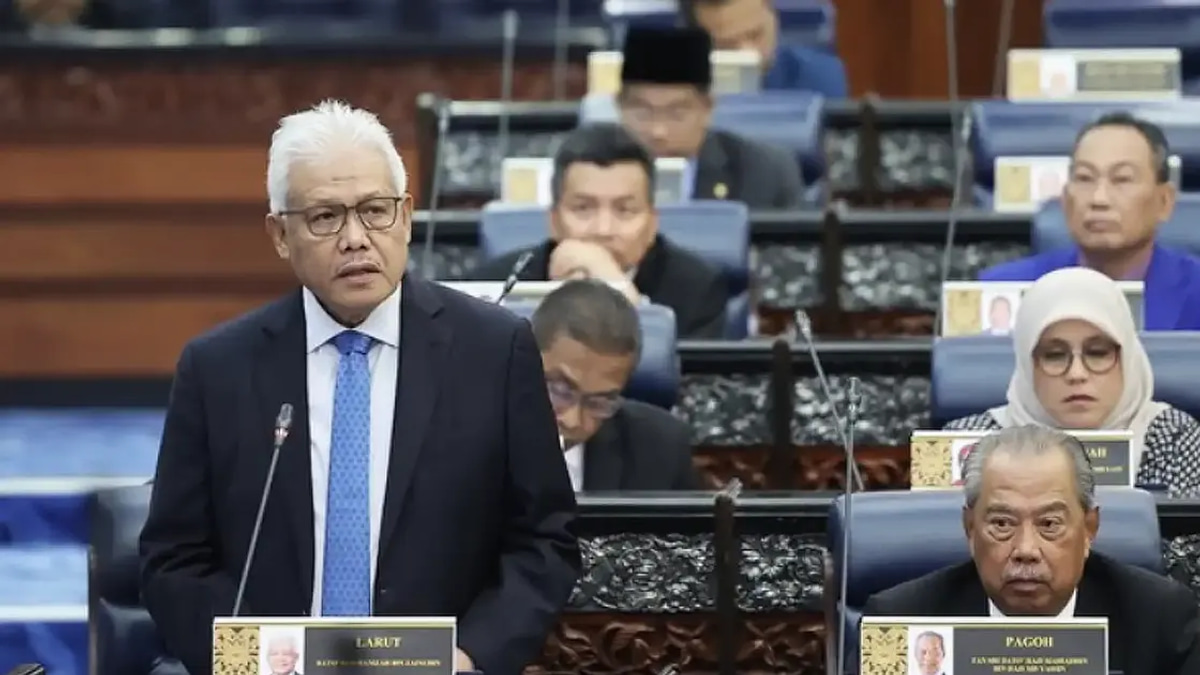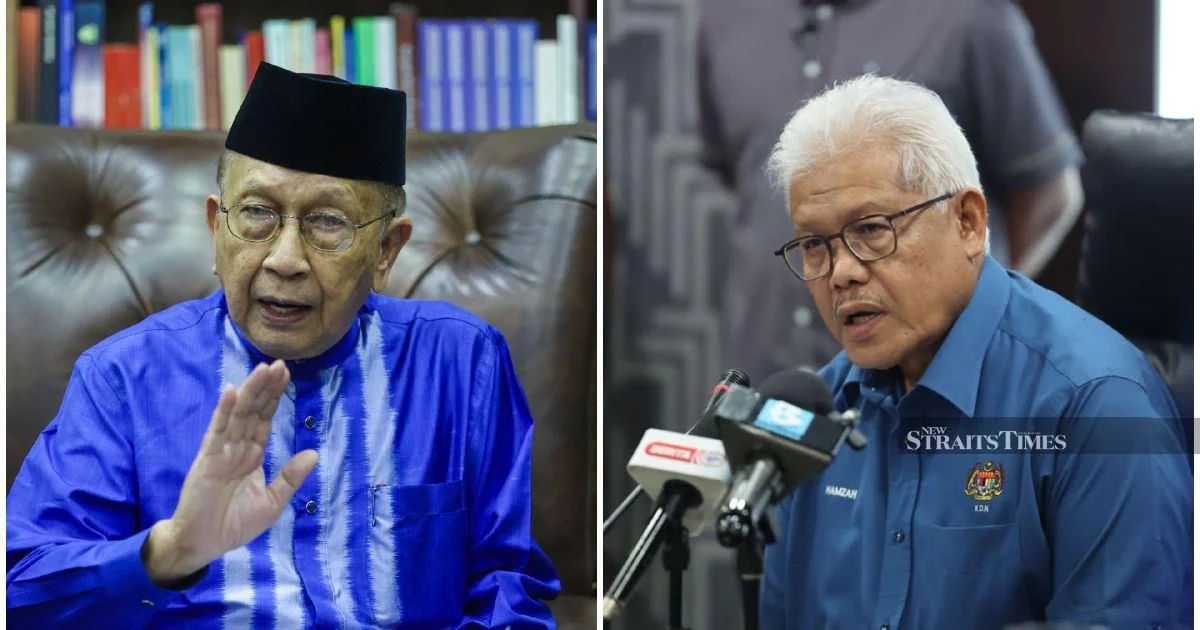
Parti Wawasan Negara has formally unveiled the complete composition of its central leadership committee, positioning Datuk Seri Hamzah and Tan Sri Rais Yatim as the principal figures steering the party's strategic direction. The announcement marks a significant consolidation of political talent as the fledgling political vehicle seeks to establish itself as a substantial player within Malaysia's increasingly fragmented political landscape.
The leadership structure reflects a deliberate strategy to blend institutional experience with fresh perspectives. By drawing upon the extensive track records of veteran politicians and former ministers, Wawasan Negara aims to present itself as a party capable of delivering seasoned governance while simultaneously positioning itself as a contemporary political force. The inclusion of sitting parliamentarians underscores the party's presence within the existing legislative framework, providing it with immediate parliamentary representation and institutional legitimacy.
The presence of professional practitioners within the central committee signals an attempt to differentiate Wawasan Negara from traditional Malaysian political structures. Many established parties in the region have traditionally relied upon career politicians and factional networks; this party's incorporation of technocrats and specialists suggests aspirations toward evidence-based policymaking and professional management of governmental affairs. This approach resonates with a segment of Malaysian voters increasingly frustrated with conventional party politics.
For Malaysian observers tracking the country's political realignment, the Wawasan Negara leadership lineup represents yet another permutation in an increasingly volatile electoral environment. The past decade has witnessed the rise and fall of numerous political entities, from Pakatan Harapan's 2018 ascendancy to subsequent fragmentations and realignments. Each new party formation or leadership restructure contributes to ongoing uncertainty regarding coalition mathematics in parliamentary constituencies across the peninsula and Sabah and Sarawak.
The appointment of specific personalities carries implications for regional political dynamics. Former ministers and experienced parliamentarians typically bring established networks, donor relationships, and institutional contacts essential for effective party operation. Their elevation to central leadership positions suggests that financial backing, grassroots mobilisation capacity, and access to media channels have been secured sufficiently to warrant formal announcement of the complete leadership structure.
Wawasan Negara's strategy of assembling established political figures alongside technical experts mirrors broader global trends observed in emerging political movements. Voters across democratic systems have demonstrated receptiveness to parties presenting hybrid leadership models combining political acumen with professional competence. Such arrangements theoretically insulate parties from charges of being purely personality-driven vehicles while simultaneously leveraging veteran politicians' credibility and networks.
The Malaysian political context makes the timing of this announcement particularly noteworthy. With the next general election potentially occurring within the next two years, parties are actively positioning themselves within potential coalition frameworks. The unveiling of Wawasan Negara's full leadership architecture signals serious institutional aspirations rather than a temporary political experiment. The inclusion of multiple former ministers suggests confidence among party strategists that they possess sufficient parliamentary mathematics to merit attention from potential coalition partners.
For Sabah and Sarawak observers, new political entities occasionally present opportunities for realignment particularly in state assemblies and federal seats where traditional patronage networks have weakened. The professional composition of Wawasan Negara's leadership may hold specific appeal in East Malaysia where development-focused governance messaging sometimes outperforms ideological positioning dominant in peninsular politics.
The party's leadership structure will face immediate scrutiny regarding its actual decision-making processes. Malaysian political tradition often features significant informal power concentration despite nominal collegiate leadership frameworks. The extent to which Hamzah and Rais Yatim exercise genuine power-sharing versus hierarchical control will likely determine the party's institutional cohesiveness and ability to retain both established politicians and technical experts, whose motivations for party participation may differ substantially.
The announcement also carries implications for Malaysian political financing and donor networks. Successful political operations require sustained financial support; the assembly of recognisable political figures typically facilitates fundraising from both corporate donors seeking political access and individual supporters attracted to particular political personalities. The transparent announcement of central leadership may represent an attempt to demonstrate professional institutional governance to potential financial backers.
Looking forward, Wawasan Negara's success depends substantially upon translating leadership credentials into electoral performance and policy coherence. The Malaysian electorate has demonstrated both openness toward new political forces and ruthless dismissal of entities unable to deliver tangible benefits or credible governance alternatives. The party's leadership composition provides necessary foundations, but sustained relevance requires effective translation of veteran politicians' experience and professional expertise into programmes resonating across constituency boundaries.
The broader significance of this leadership announcement extends beyond immediate party dynamics. Each new political entity formation and restructuring contributes incrementally to Malaysia's ongoing political evolution. The presence of former ministers and sitting parliamentarians within emerging parties reflects both opportunity for experienced politicians finding limited advancement within established party structures and voter willingness to evaluate fresh political alternatives. Whether Wawasan Negara ultimately becomes a consequential political force or merges into larger coalitions remains uncertain, but the ambitions signalled through its leadership appointment suggest serious institutional ambitions.