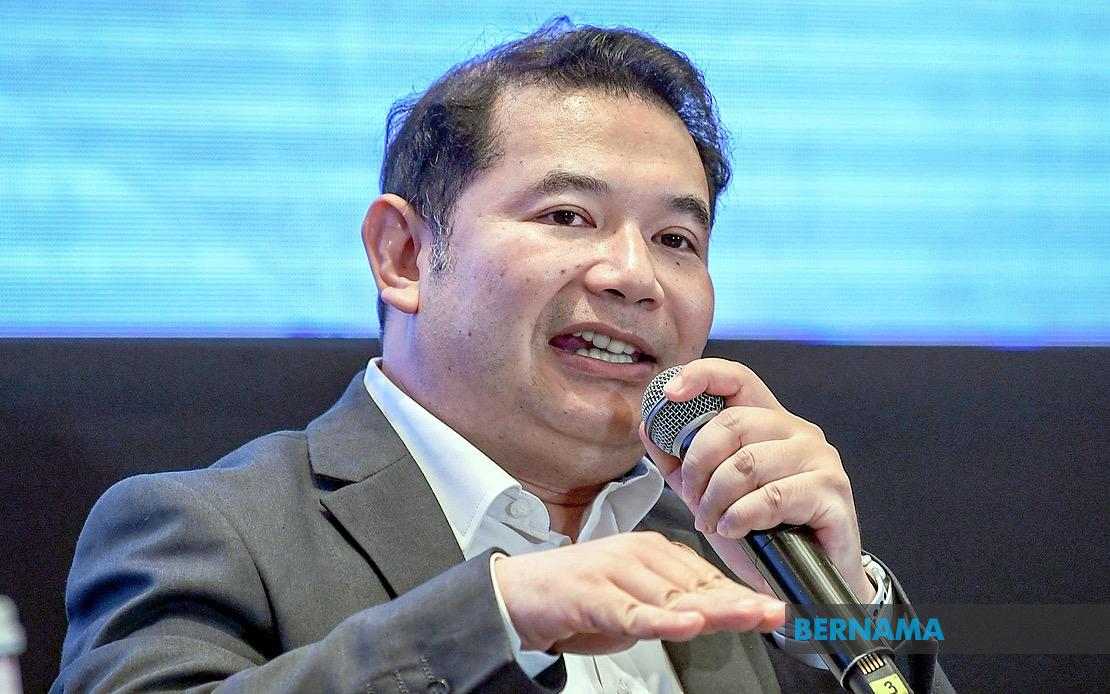
Parti Bersama Malaysia (Bersama) is set to unveil its roster of candidates for the forthcoming Johor state election at an event in Johor Bahru on Friday, according to party leader Datuk Seri Rafizi Ramli. The announcement comes after the party completed its vetting process for prospective contenders, marking a significant milestone in the party's electoral preparations ahead of polling day on July 11.
Although Rafizi confirmed that the screening of candidates had concluded, he refrained from specifying how many parliamentary seats Bersama intends to pursue in the state election. This strategic ambiguity is not uncommon in Malaysian politics, as parties often maintain flexibility in their candidate allocation and seat-sharing arrangements with coalition partners until the final announcement. The party's decision to withhold this information suggests ongoing negotiations or strategic considerations regarding its electoral footprint across Johor's constituencies.
The response to Bersama's candidacy recruitment drive has been robust, with the party receiving applications from over 300 interested individuals since launching its call for candidates just over a week earlier. This substantial number of aspirants reflects growing interest in the newly established party, which has been actively building its political machinery across the southern peninsula. The significant volume of applications indicates that Bersama has succeeded in generating momentum among potential candidates seeking electoral opportunities.
Every applicant has been subjected to a rigorous vetting mechanism encompassing completed documentation and formal interviews. The interview protocol includes unpredictable questioning tailored to each candidate's personal background and professional experience, ensuring that selected representatives align with the party's standards and objectives. This methodical approach to candidate selection demonstrates Bersama's commitment to fielding capable individuals capable of effectively representing their constituencies and advancing the party's political agenda.
Rafizi made these statements during the Jelajah Kancil programme held at Pantai Cahaya Bulan in Kota Bharu, where he was engaging with grassroots supporters and community members. The roadshow format reflects Bersama's strategy of building direct connections with voters across different regions, particularly in states like Johor and Negeri Sembilan where the party is expanding its presence. Such engagement initiatives are crucial for emerging political entities seeking to establish credibility and organisational depth in traditionally competitive electoral landscapes.
The timing of the candidate announcement aligns with the Election Commission's established electoral timeline for the Johor state election. Nomination day is scheduled for June 27, providing registered candidates and political parties a formal window to file their candidacy papers. This compressed schedule requires parties to finalise their selections and preparations well in advance, making Bersama's Friday announcement strategically positioned to meet these regulatory requirements while maintaining sufficient lead time for campaign activities.
Early voting has been set for July 7, two days before the main polling day, allowing voters to participate outside the standard election date. This arrangement typically benefits working professionals, individuals with mobility constraints, and others unable to vote on the principal polling day. The Election Commission's inclusion of early voting demonstrates efforts to enhance electoral accessibility, though it also requires parties to maintain campaign intensity across an extended timeframe leading up to the final count.
Bersama's expansion into Johor state elections represents part of a broader strategic positioning within Malaysia's evolving political landscape. As a newer political entity, the party's performance in state-level contests provides valuable indicators of its electoral viability and voter appeal beyond initial strongholds. The Johor election, being one of the nation's more significant state contests, offers Bersama an important platform to demonstrate organisational capability and substantive policy platforms to Malaysian voters.
The party's simultaneous recruitment drive for both Johor and Negeri Sembilan indicates a coordinated approach to expansion across multiple electoral theatres. By conducting candidate searches across different states concurrently, Bersama demonstrates sophisticated campaign planning and resource allocation. This multi-state strategy suggests the party views these state elections as interconnected opportunities to build a cohesive political structure and establish competitive presence in key regions.
The calibre of candidates selected in these coming weeks will significantly influence Bersama's electoral trajectory and public perception. Strong, locally-rooted candidates with community connections and credible track records can substantially enhance a party's electoral performance, whereas weak selections may undermine even well-resourced campaigns. Rafizi's emphasis on thorough screening indicates an awareness that candidate quality directly correlates with electoral success and long-term party reputation building.