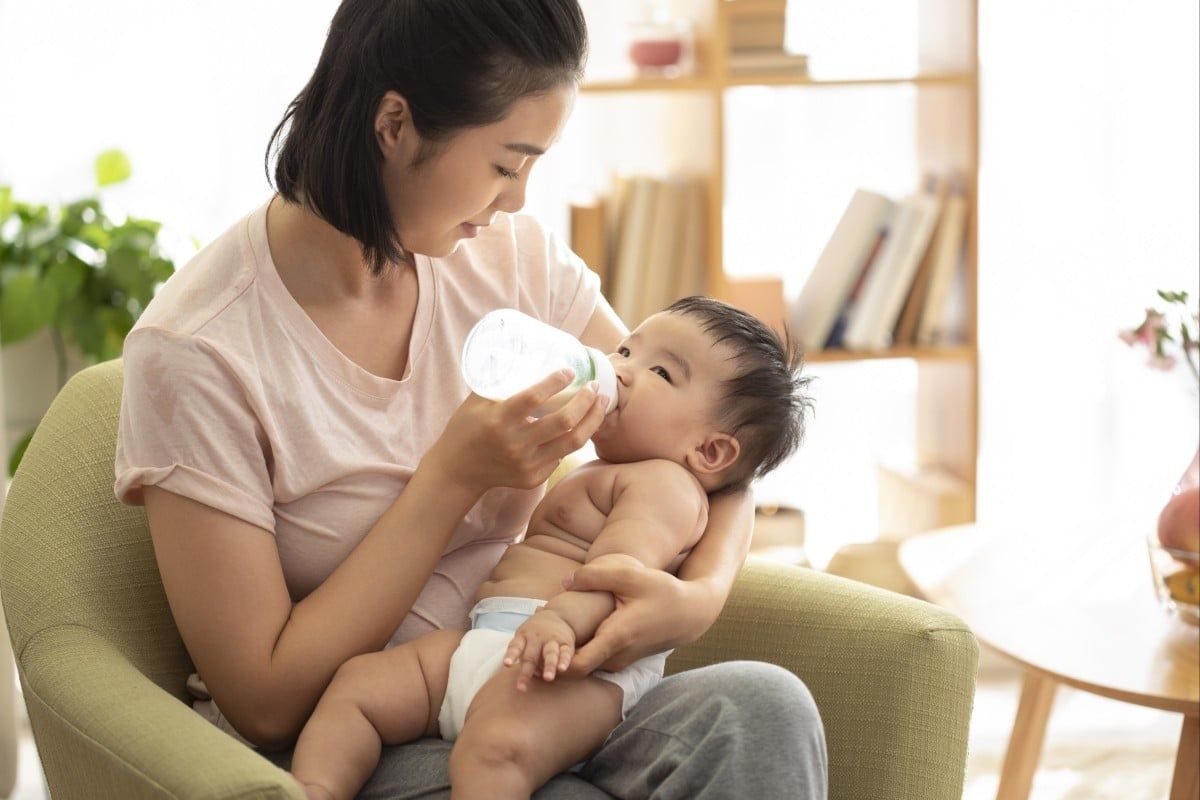
A three-month-old baby in Guangdong province, southern China, required intensive care treatment after developing severe nitrite poisoning when his parents mixed infant formula milk with vegetable juice rather than plain water. The decision to substitute vegetables for water stemmed from parental beliefs that the produce would deliver superior nutritional value to their child. The infant's condition deteriorated rapidly following a feed, with his skin, mouth and lips turning distinctly purple whilst he struggled to breathe, prompting emergency admission to Zhongshan Women and Children's Hospital.
The severity of the infant's presentation—characterised by cyanosis and respiratory distress—reflects the acute toxicity of nitrite compounds in the bloodstream. Medical staff diagnosed the poisoning and commenced treatment, ultimately discharging the baby after two days of intensive management. This incident underscores a troubling pattern in Chinese parenting communities where well-intentioned but medically misguided feeding modifications expose vulnerable infants to genuine life-threatening risks. The case gained significant attention through local media reporting, triggering broader discussion about infant nutrition literacy among parents across the region.
The scientific explanation behind the poisoning lies in how vegetables release harmful compounds when subjected to prolonged boiling. Extended cooking processes cause vegetables to release elevated concentrations of nitrites, substances that prove catastrophically dangerous to immature digestive systems. When these nitrite-laden solutions enter an infant's circulation, they chemically bind to haemoglobin molecules, effectively reducing the blood's capacity to transport oxygen throughout the body. This biochemical disruption explains the distinctive purple discolouration that alarmed the infant's parents—tissues were essentially suffocating despite apparently normal breathing.
Infants aged three months represent a particularly vulnerable population because their kidneys and digestive organs remain developmentally incomplete. The biological systems responsible for filtering and processing potentially harmful compounds have not yet matured sufficiently to handle elevated nitrate loads. Unlike older children and adults whose more developed physiology can process and eliminate excess nitrites, very young infants lack adequate defence mechanisms. This developmental reality makes even seemingly minor deviations from recommended feeding protocols potentially catastrophic, a distinction that many parents fail to appreciate when making feeding decisions based on intuition rather than medical guidance.
Paediatrician Cao Qi from Nanning No 1 People's Hospital in Guangxi Zhuang autonomous region emphasised the critical importance of recognising nitrite toxicity symptoms and responding with urgency. His social media warning stressed that delays of even minutes in seeking emergency medical attention could prove fatal, a statement grounded in the severity of the poisoning mechanism. Cao specifically cautioned parents against substituting formula preparation water with alternatives including vegetable juice, rice water, fruit juice or broth-based liquids. Medical professionals uniformly recommend preparing infant formula exclusively with warm potable water, a straightforward protocol that eliminates exposure to uncontrolled variable compounds.
Cao's broader commentary addressed the concerning tendency among parents to apply intuitive reasoning or follow social trends when making infant care decisions. His assertion that natural foods lack automatic suitability for young babies challenges a prevalent assumption in many communities that organic or less processed options inherently offer superior outcomes. This philosophical misalignment between natural equivalence with safety represents a persistent obstacle to improving infant health outcomes. When parents prioritise perceived nutritional enhancement over established medical protocols, they inadvertently create hazardous situations for infants wholly dependent on adult caregiving decisions.
This incident represents merely one manifestation of a broader pattern affecting infant health across China. The previous year witnessed a separate case involving a 52-day-old hospitalised with botulism after his grandmother added honey to his drinking water. That incident demonstrated how multiple generations within family units may harbour dangerous misconceptions about infant feeding. The clustering of such cases suggests systemic gaps in parental education and health literacy regarding age-appropriate nutrition. Each incident, whilst individually tragic, contributes to an accumulating body of evidence highlighting the critical need for enhanced public health messaging.
For Malaysian and Southeast Asian families, this incident carries particular relevance given regional similarities in traditional feeding practices and extended family involvement in childcare decisions. Many communities throughout the region maintain comparable preferences for perceived nutritional optimisation through addition of herbal preparations, vegetable extracts or other natural ingredients. The absence of widespread awareness regarding how conventional food preparation methods can concentrate toxic compounds creates similar vulnerability patterns. Healthcare providers across Southeast Asia increasingly encounter instances where cultural beliefs or intergenerational childcare knowledge override medical recommendations with potentially serious consequences.
The implications extend beyond isolated cases to encompass broader questions about public health infrastructure and preventive education. Chinese health authorities have intensified messaging following repeated incidents, yet voluntary behavioural change depends substantially on parental receptiveness to information contradicting deeply held beliefs. The challenge facing paediatricians involves communicating medical necessity in ways that respect cultural values whilst firmly establishing non-negotiable safety standards. Online platforms and social media, whilst facilitating rapid information dissemination, simultaneously amplify unverified feeding trends that can spread across communities with dangerous rapidity.
Moving forward, healthcare systems throughout Asia would benefit from systematic investment in prenatal and early childhood education programmes specifically addressing infant nutrition safety. These initiatives should acknowledge and respectfully engage with traditional beliefs whilst clearly delineating boundaries between acceptable and prohibited feeding modifications. Training community health workers, midwives and family medicine practitioners to deliver consistent messaging about formula preparation would enhance reach into populations less engaged with tertiary hospital systems. The stakes involved—infant mortality and severe morbidity—justify intensive preventive efforts given the straightforward nature of implementation.
Parental instinct to optimise child nutrition remains fundamentally sound, yet expression of this instinct requires grounding in evidence-based practice. The Guangdong case demonstrates how good intentions combined with incomplete understanding of infant physiology can rapidly transform into medical emergencies. As Southeast Asian nations continue developing their healthcare capacity, embedding comprehensive infant nutrition education into routine maternal and child health services represents an essential investment. Every prevented case of nitrite or botulism poisoning represents a family spared devastating trauma and a child granted continued healthy development.