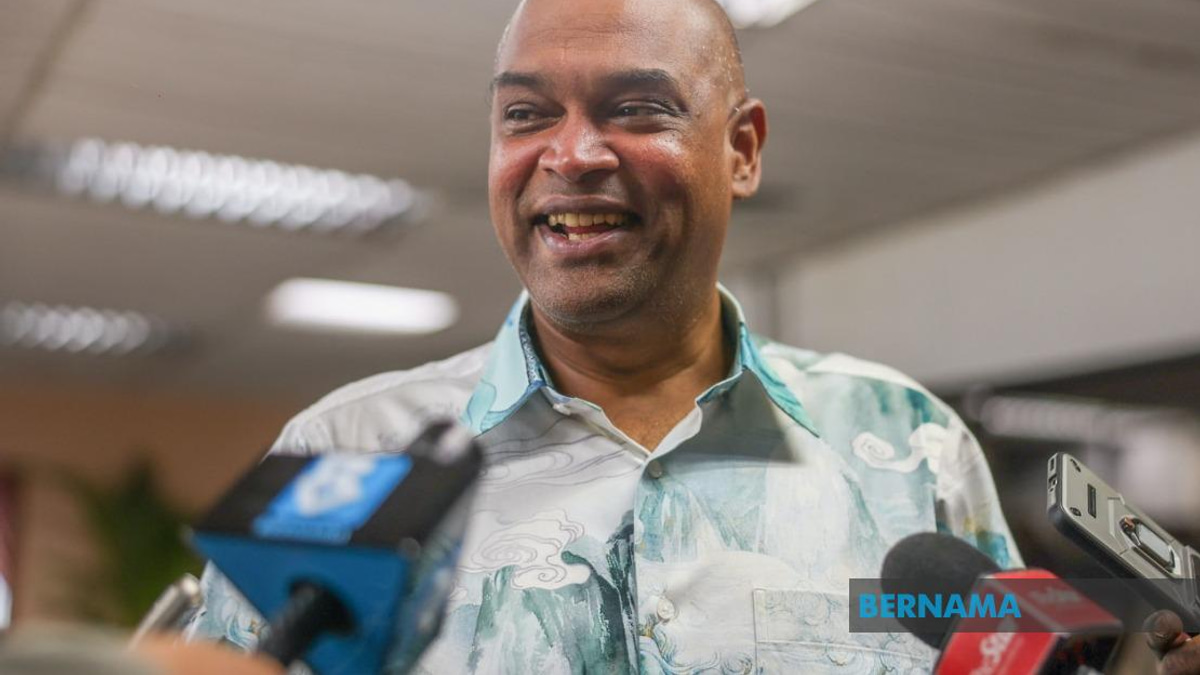
Malaysia's push to ban vaping gained fresh momentum this week as Health Minister Datuk Seri Dr Dzulkefly Ahmad disclosed alarming data on the contamination of electronic cigarette products with illegal substances. Between January and April this year, the Royal Malaysia Police conducted 402 seizures of vape devices and liquids that tested positive for various synthetic drugs, according to PDRM records. The minister presented this evidence as a decisive argument for the government to move forward with a comprehensive prohibition on vaping across the country, a measure currently under active consideration by multiple government agencies.
The drug-laced vape products that police have intercepted reveal the scale of a shadow market operating within Malaysia's burgeoning e-cigarette sector. Among the hazardous substances detected in vape preparations are benzodiazepines commonly associated with tranquilisers, nimetazepam used in prescription medications, MDMA the active ingredient in ecstasy, cannabinoids and tetrahydrocannabinol derived from cannabis, and methamphetamine. The sheer variety of illicit substances being mixed into vape liquids underscores how the devices have become vectors for drug distribution, particularly affecting young people who may believe they are inhaling harmless nicotine alternatives. For Malaysia, a nation already grappling with substance abuse challenges, the convergence of vaping and synthetic drugs represents a new and insidious public health threat.
Dzulkefly's announcement came during the launch of the Cik Era Rides the MRT Programme at Tun Razak Exchange station, an initiative designed to promote smoking and vaping cessation among the approximately 200,000 daily commuters using the MRT Putrajaya Line. The timing of the disclosure reflects the government's integrated approach to addressing nicotine and drug addiction simultaneously through both enforcement and public health messaging. The minister emphasised that the detection of these controlled substances in vape preparations, particularly those marketed to or accessible to minors, provides a legally and morally compelling foundation for restrictive legislation. He noted that the matter transcends what was previously thought a health nuisance and has evolved into a narcotics control imperative.
The government's consideration of a vape ban represents a significant escalation from previous regulatory approaches. Earlier in June, Deputy Inspector-General of Police Tan Sri Ayob Khan Mydin Pitchay highlighted the emergence of a new synthetic drug marketed as "Piu Piu" that has been detected in electronic cigarette liquids, further underscoring the necessity for prohibition. These developments suggest that Malaysian law enforcement and health authorities view vaping not merely as a nicotine delivery mechanism but as a platform for synthetic drug trafficking and consumption. The consecutive statements from both the health and police leadership indicate alignment at the highest levels of government on the urgency of action.
The cross-agency coordination mobilised to address the vape-drug nexus reflects lessons learned from past public health crises. The Ministry of Health is no longer shouldering enforcement efforts in isolation but has enlisted the Ministry of Home Affairs and the Royal Malaysia Police in a strategic cooperative framework. This expansion of enforcement capacity suggests the government recognises that traditional regulatory mechanisms—licensing, product standards, age restrictions—have proven insufficient to contain the problem. The aggressive joint approach signals an intention to dismantle both the supply chains and the consumer networks supporting the illicit vape market, mirroring successful strategies deployed against other contraband substances in the region.
Parallel to enforcement, the government is pursuing demand reduction through digital innovation and traditional support services. The Cik Era AI platform, launched on March 15, leverages artificial intelligence to provide personalised guidance for individuals seeking to quit smoking or vaping. By mid-June, the application had recorded 17,412 user interactions, averaging 347 daily engagements—a 34 per cent increase following the MRT promotional campaign. The technology represents Malaysia's broader pivot toward digitalised health interventions, allowing the Ministry of Health to scale cessation support beyond the capacity of traditional clinical services. The platform's acceptance among users, measured by consistent daily interaction rates, suggests strong market demand for accessible, non-judgmental quit-smoking tools.
The JomQuit platform complements Cik Era by connecting individuals with 90 registered private service providers offering nicotine addiction treatment. Since its launch in October 2024, JomQuit has assisted 9,349 clients, demonstrating substantial uptake within Malaysia's private healthcare ecosystem. This two-pronged strategy—combining AI-driven personal coaching with clinical treatment access—acknowledges that cessation is not solely an individual behavioural challenge but requires systemic support. For Malaysian smokers and vapers, these platforms lower barriers to treatment by eliminating lengthy clinic waiting periods and integrating cessation support into daily digital routines.
The vape ban initiative must be understood within the context of Malaysia's broader nicotine control framework, particularly the Control of Smoking Products for Public Health Act 2024 (Act 852). This legislation establishes the legal scaffolding for restricting tobacco and nicotine-containing products, setting purchase age limits, and regulating marketing. A comprehensive vape ban would extend these protections to electronic cigarettes, closing a regulatory gap that has allowed the devices to proliferate despite mounting health concerns. The succession of legislative and enforcement steps suggests the government is building a legally robust case for prohibition, anticipating potential legal challenges from industry actors or consumer advocacy groups.
For Malaysian parents, educators, and public health advocates, the official acknowledgment of drug-laced vapes addresses a longstanding concern about the true contents of products marketed to youth. The visibility of enforcement data and scientific findings through ministerial announcements elevates awareness beyond specialist circles, potentially shifting public perception of vaping from a benign nicotine alternative to a gateway for illicit drug consumption. This reframing is critical for generating social consensus supporting a ban, as public backing is often prerequisite to durable legislative change.
The regional dimension of Malaysia's vape-drug problem warrants consideration. Southeast Asian countries have observed similar convergences between vaping infrastructure and synthetic drug markets, suggesting transnational trafficking and consumption networks. Malaysia's policy decisions may influence neighbouring countries and contribute to regional harmonisation of vaping restrictions, potentially disrupting illicit supply chains that currently exploit regulatory inconsistencies across borders. Conversely, if Malaysia implements a strict ban whilst neighbouring countries maintain permissive regulations, illicit cross-border vape smuggling may intensify, requiring coordinated enforcement with regional partners.
Looking forward, the government faces implementation challenges beyond legislative passage. A vape ban requires robust customs and excise enforcement to prevent smuggling, coordination with Internet service providers to restrict online sales, and sustained public health messaging to counter black-market marketing. The success of the ban will depend partly on the continued viability of the cessation support infrastructure represented by Cik Era and JomQuit. If these alternatives are insufficient or inaccessible, banned consumers may revert to conventional cigarettes or seek illicit vape supplies, potentially perpetuating the very drug-contamination risks the ban aims to prevent.
Dzulkefly's disclosure of the 402 drug-laced vape seizures serves as a watershed moment in Malaysia's approach to nicotine and substance abuse policy. By framing the issue not as a lifestyle regulation but as a public safety emergency linked to synthetic drug trafficking, the government has provided itself with the political and legal justification needed to pursue comprehensive prohibition. The parallel investment in digital cessation tools and expanded treatment access indicates an intent to accompany enforcement with support, reducing the likelihood that a ban becomes a merely punitive measure. The coming months will reveal whether this multi-faceted strategy translates into legislation and whether implementation can match the ambition of the stated policy objectives.