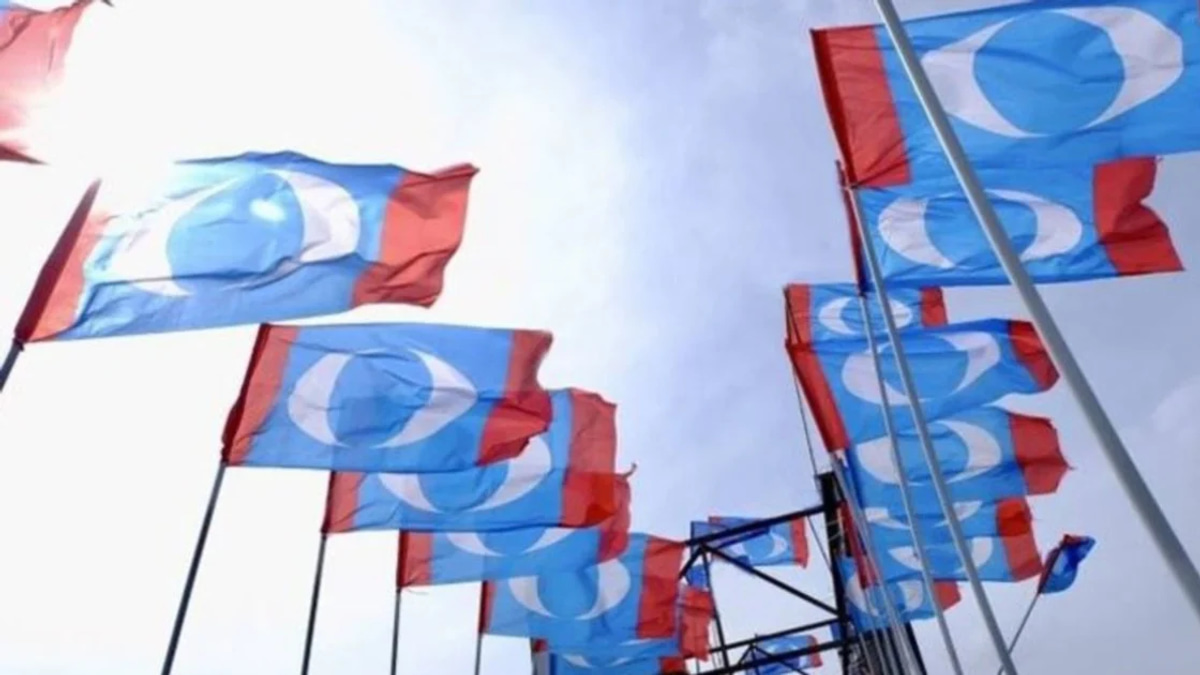
Johor's political landscape has become increasingly contentious as Pakatan Harapan and Barisan Nasional spar over campaign transparency and electoral strategy. Datuk Seri Dr Zaliha Mustafa, PKR's vice-president, has mounted a pointed critique of Johor BN chairman Datuk Onn Hafiz Ghazi's repeated calls for the opposition coalition to name its menteri besar candidate before voting day, suggesting that his public insistence masks an underlying contradiction in his own position.
The debate centres on a fundamental question of campaign disclosure. Onn Hafiz has publicly pressed Pakatan Harapan to reveal which figure would lead the state government should the coalition secure victory in the forthcoming election. This demand, framed as a matter of democratic transparency, has become a recurring refrain in his messaging to Johor voters. However, Zaliha's intervention signals that the opposition believes there is more to this call than meets the eye, and that scrutinising the actual reasoning behind the demand reveals logical inconsistencies.
From Pakatan Harapan's perspective, the timing and nature of Onn Hafiz's insistence warrant closer examination. The coalition has its own rationale for withholding an announcement of its menteri besar candidate, viewing such strategic flexibility as advantageous in negotiations and coalition management. By declining to commit publicly to a single figure before the election, Pakatan Harapan maintains room to manoeuvre in post-election discussions and ensures that internal party dynamics do not become a distraction during campaigning.
Zaliha's challenge appears designed to expose what she views as the hollowness of Onn Hafiz's demand. If transparency and voter knowledge of potential leadership are genuinely paramount concerns, critics within Pakatan Harapan would argue, then Barisan Nasional should apply the same standard to itself. The question implicitly posed by Zaliha's intervention is whether Onn Hafiz has made an equally clear case to voters about Barisan Nasional's own readiness or plans for governance should it prevail at the polls.
The broader context involves Johor's political significance within Malaysia's federal structure. As one of the country's largest and most economically important states, elections there carry implications beyond state boundaries, potentially influencing national political calculations and coalition dynamics. Both coalitions recognise that victory in Johor would constitute a substantial prize, reshaping perceptions of momentum and viability heading towards any future federal election.
Barisan Nasional's historical dominance in Johor has faced increasing challenge in recent electoral cycles, making its hold on the state less assured than in previous decades. The coalition's insistence that Pakatan Harapan declare its hand may partly reflect anxiety about losing ground in a traditionally safe constituency. By raising questions about opposition readiness and credibility, Barisan Nasional attempts to sow doubt among voters about whether Pakatan Harapan has adequately prepared for the responsibilities of state governance.
Pakatan Harapan, conversely, has gained strength in urban and younger voter demographics, particularly in Johor's major population centres. The coalition's preference for maintaining some flexibility regarding leadership appointments reflects confidence that its policy platform and governance record can win support independent of a single named figurehead. This approach also acknowledges the complex dynamics within a multi-party coalition, where different components hold varying levels of influence and representation.
Zaliha's public questioning of Onn Hafiz's consistency serves another tactical purpose. By highlighting what she characterises as a contradiction, Pakatan Harapan can reframe the narrative away from questions about its own readiness and towards an examination of whether Barisan Nasional itself operates with comparable transparency and preparedness. This rhetorical pivot attempts to shift voter focus onto the ruling coalition's conduct and consistency rather than the opposition's campaign strategy.
The exchange also reflects deeper questions about electoral campaigns and voter information. While democratic theory suggests that voters should possess complete information about potential leaders before casting ballots, practical campaign strategy often operates on different principles. Candidates and coalitions make calculated decisions about what to disclose and when, balancing transparency against strategic advantage. The debate in Johor illustrates this tension between theoretical democratic ideals and real-world political navigation.
For Malaysian observers following Johor politics, this dispute signals that both coalitions anticipate a competitive contest where every strategic advantage matters. The intensity with which Barisan Nasional is pressing the menteri besar question suggests concern about its electoral prospects, while Pakatan Harapan's resistance indicates confidence in its ability to compete without prematurely committing to leadership announcements. Zaliha's intervention adds sophistication to the opposition's defence, moving beyond simple refusal to comply with demands toward active questioning of the demands' legitimacy.
As Johor's election approaches, voters will ultimately judge both coalitions not only on their campaign messaging and leadership promises but on their broader track records and vision for the state. The sparring over menteri besar announcements, while symbolically significant, remains subsidiary to substantive questions about economic development, infrastructure, service delivery, and good governance that typically determine electoral outcomes. Nevertheless, how each coalition handles questions about transparency and consistency can influence perceptions of their credibility and competence in the minds of undecided voters.