A 36-year-old woman faces murder charges in Fukuoka City following the fatal stabbing of a 33-year-old friend in the early hours of Thursday. The suspect was taken into custody by authorities at Higashi Station, with initial charges of attempted murder since upgraded to a full murder investigation after the victim died at hospital.
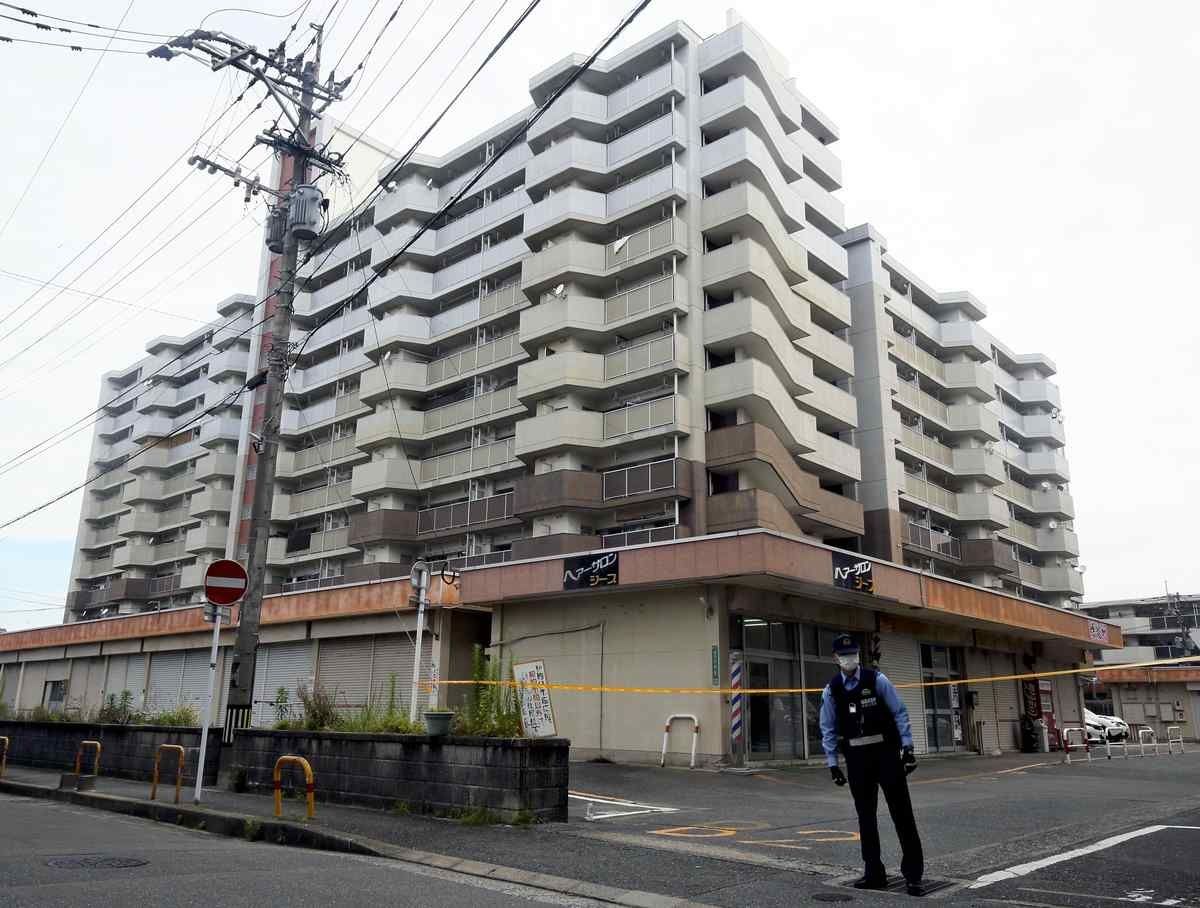
The attack occurred at approximately 3:15am Thursday at a residential property in Fukuoka City. According to investigators from the Fukuoka Prefectural Police, the suspect repeatedly struck her victim in the neck and chest using a knife-like implement during the assault. The brutality of the attack stands in stark contrast to the domestic setting where the crime unfolded—a home shared by the victim and her three young children, who remained asleep in a separate room throughout the incident.
When emergency services arrived and transported the victim to hospital, initial hopes for her recovery proved unfounded. Medical staff pronounced the woman dead upon arrival, bringing the gravity of the charges against the suspect into sharper focus. The reclassification from attempted murder to murder reflects the fatal outcome and the severity of injuries inflicted during those violent early morning hours.
During questioning by police, the suspect has provided a full confession to the allegations against her. She acknowledged her role in the stabbing, telling investigators: "It's true I did it. I stabbed her many times." This admission of guilt has significantly streamlined the investigative process, though authorities have not yet publicly disclosed a motive for the crime or details about the relationship between the two women beyond their status as friends and housemates.
The case has drawn particular attention due to the presence of the victim's three children in the home at the time of the incident. All three are described as elementary school-aged, meaning they were likely between six and twelve years old. That they remained asleep in another room while their mother was attacked and fatally wounded raises profound questions about the psychological trauma they will endure upon learning of their mother's death and the circumstances surrounding it.
This incident reflects a troubling pattern of domestic and residential violence in Japan that, while statistically less prevalent than in some other developed nations, continues to claim lives and devastate families. The fact that the crime occurred within a home environment—typically considered a sanctuary—underscores how violence can emerge in unexpected settings, often involving individuals with prior relationships to the victim.
The investigation into what precipitated such a violent confrontation between two acquainted adults remains ongoing. Japanese law enforcement has not released details about whether there were prior incidents, disputes, or warning signs that might have preceded the stabbing. Understanding the context and catalyst for the attack will be crucial both for the legal proceedings and for establishing whether safeguarding measures could have prevented the tragedy.
For the broader Fukuoka community, this case serves as a stark reminder of the unpredictable nature of serious crime. Fukuoka, as one of Japan's major urban centres, typically experiences relatively low violent crime rates compared to major cities in other countries, yet incidents such as this demonstrate that no community is entirely insulated from such tragedies.
The case also raises important questions about the Japanese criminal justice system's handling of such matters. The initial arrest on attempted murder charges, subsequently upgraded to murder, reflects standard prosecutorial procedure when circumstances change during an investigation. However, the rapid confession and apparent straightforward nature of the evidence may expedite proceedings toward trial and sentencing.
Mental health considerations may also factor into the broader investigation and eventual legal proceedings. Whether the suspect had any history of psychological difficulties, substance abuse issues, or other factors that might have contributed to the violent outburst remains unknown at this stage. Japanese courts increasingly consider such contextual factors when determining appropriate sentences for serious crimes.
For the victim's three children, the road ahead will be profoundly difficult. Beyond losing their mother to violence, they must now navigate the public nature of such a high-profile case, potential custody arrangements, and the long-term psychological impact of trauma experienced during their formative years. Social services and child welfare agencies in Fukuoka will almost certainly become involved in ensuring their wellbeing and providing necessary support.